Lights

Commercial Lighting Solutions

Commercial Lighting Solutions for Shops & Offices: The 2026 Buyer’s Guide to Design, Specs & Buying Right

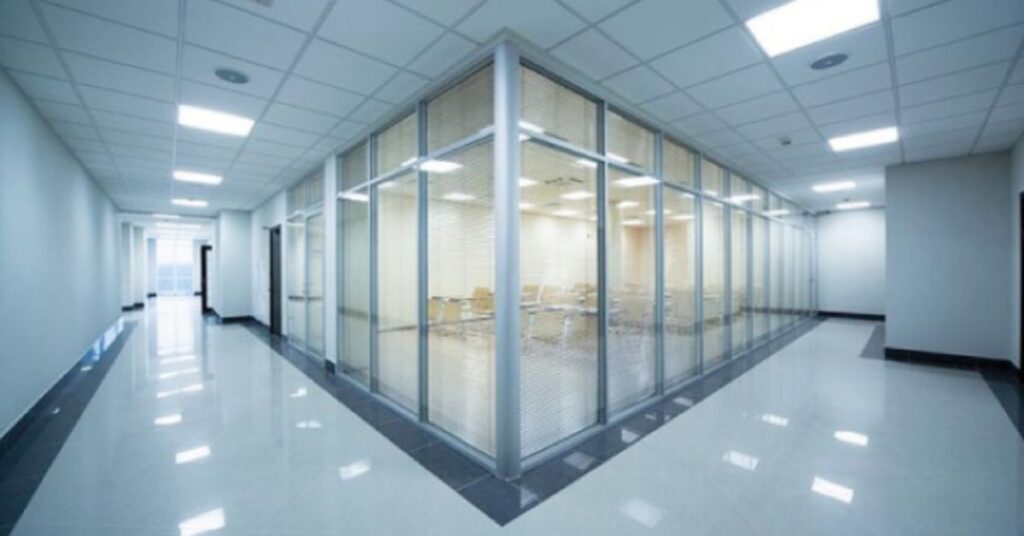
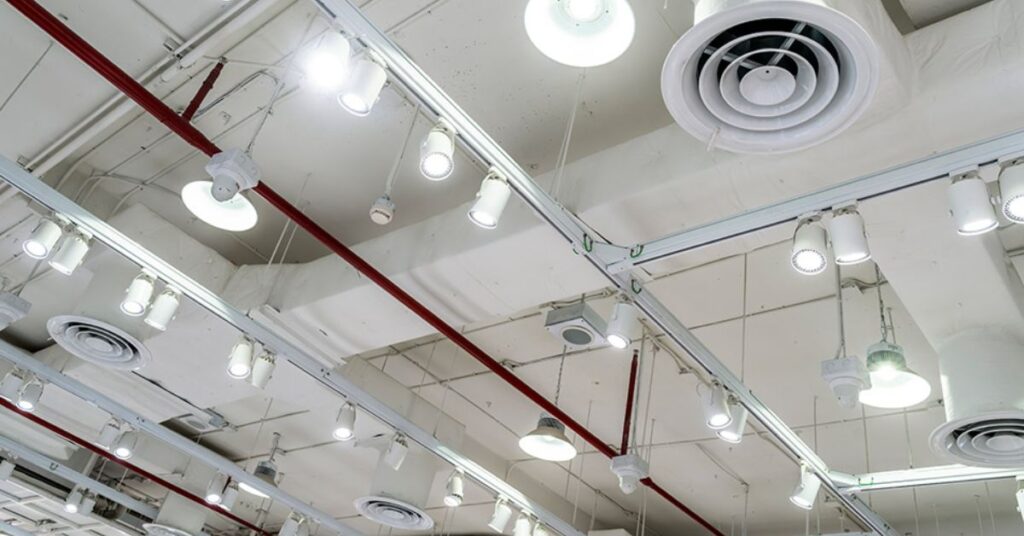
Why invest in commercial lighting? Good Commercial Lighting Solutions for Shops & Offices do four things: In short, lighting is both a technical system and a design tool. Treat it as both. The measurable fundamentals every buyer must know When evaluating Commercial Lighting Solutions for Shops & Offices, insist on these numerical specs from suppliers — they’re what determine real performance. These are the numbers that separate marketing blur from real Commercial Lighting Solutions for Shops & Offices. Typical lux targets (copyable) Use these as a planning shorthand when briefing designers or vendors (based on IES/CIBSE guidance). Exact values depend on tasks and finishing materials. Include these numbers verbatim in RFQs so suppliers give comparable photometric layouts. Fixture types that form great commercial solutions A practical commercial lighting scheme mixes fixture families. Don’t expect one product to do everything. 1. Track & spotlight systems 2. Linear suspended LEDs 3. Recessed downlights / adjustable downlights 4. LED panels/troffers 5. Shelf, cabinet & display case lighting 6. Cove & wall-washer luminaires 7. Emergency & exit lighting Combining these families gives you layered, flexible Commercial Lighting Solutions for Shops & Offices that can evolve with merchandising and space usage. Controls: why they’re essential and what to choose Controls are the single most powerful tool to lower running costs and tune experience. Modern commercial schemes use a mix of: Recommendation: for new commercial installs, plan a DALI backbone if budget permits — it future-proofs the lighting, gives you energy reporting, and simplifies commissioning. Layout & lighting design basics for shops & offices Good design is where the numbers meet human behavior. A few practical rules: Designers use IES/EN/CIBSE guidance for calculation; buyers should require IES files and lux maps with every quote. Energy, compliance & India-specific notes If you’re buying commercial lighting in India, check local energy standards and incentive programs (BEE, ECBC guidance) and factor them into ROI calculations. The Bureau of Energy Efficiency provides guidance on measuring installed load efficacy and energy performance for lighting systems. Including energy metrics in your RFQ helps vendors propose compliant solutions. When calculating savings: use operating hours (e.g., 10–12 hrs/day for shops, 8–10 hrs/day for offices), fixture efficacy, and expected duty days per year to estimate simple payback. Product checklist: demand these from suppliers When shopping for Commercial Lighting Solutions for Shops & Offices, ask vendors to provide: Insist on these in writing — they keep quotes comparable and reduce surprises after installation. RFQ language you can copy & paste Use these spec lines when requesting bids for Commercial Lighting Solutions for Shops & Offices: Paste these into emails to vendors — they force apples-to-apples quotes. Installation tips & procurement pitfalls These steps avoid most of the “installed but unusable” mistakes buyers sometimes make. Maintenance plan (simple, effective) A short, repeatable maintenance plan keeps Commercial Lighting Solutions for Shops & Offices performing: Keep a labeled spare box (drivers, common lamp types, connectors) to reduce downtime. Quick case example: small boutique (practical) This practical template can be adapted for any small retail space. Frequently asked questions Q: Should I pick DALI or wireless controls? A: For new builds with a planned budget, DALI gives predictable performance, scalability, and diagnostics. Wireless is excellent for retrofits or where cabling is costly. Q: What CRI is enough for typical office spaces? A: CRI 80 is acceptable for general office lighting, but CRI 90+ is recommended near color-sensitive areas (design studios, client meeting areas). Q: How bright should aisles be compared to product displays? A: Aim for product displays to be ~2–4× the ambient level so they draw attention without causing glare. Final checklist before you sign any order If any “No,” ask the vendor to amend the quote — these are deal-breakers for predictable performance. Closing: get the lighting right, and everything else performs better Commercial Lighting Solutions for Shops & Offices are an investment with measurable returns. Specify the numbers, demand photometric evidence, mock up critical zones, and choose control strategies that fit your budget and future needs. With the product-focused checklists above, you’ll be able to brief suppliers, compare quotes, and avoid the common procurement mistakes that turn promising schemes into costly reworks.

Commercial Lighting Solutions for Shops & Offices: The 2026 Buyer’s Guide to Design, Specs & Buying Right Read More »

Right Color Temperature for Every Room

How to Choose the Right Color Temperature for Every Room: Complete Buyer’s Guide

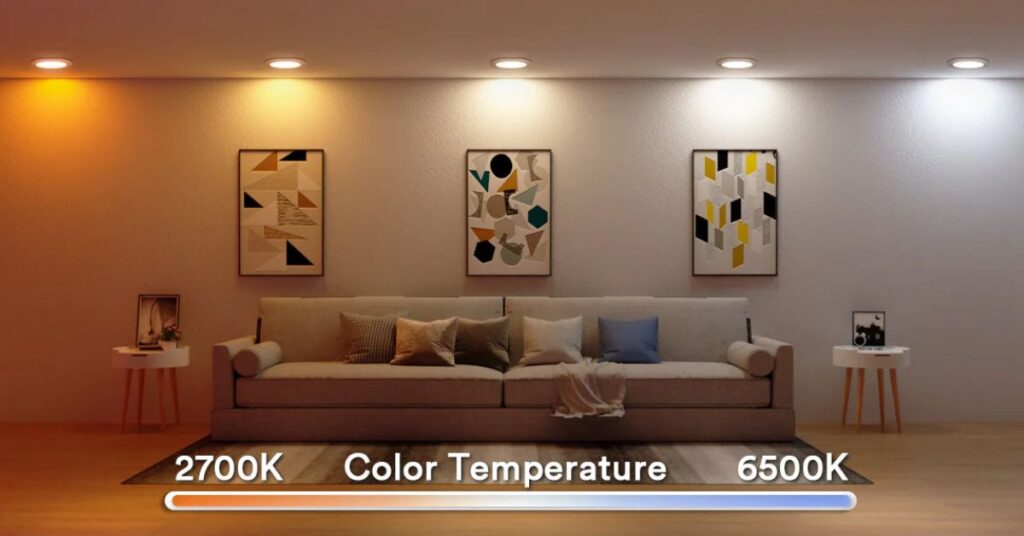
What does “color temperature” mean? Color temperature is measured in Kelvin (K) and tells you whether a light source looks warm (reddish/yellow), neutral, or cool/blue. Roughly: Understanding this scale is the starting point for How to Choose the Right Color Temperature for Every Room. Why color temperature matters (beyond aesthetics) Color temperature affects: That’s why it helps to plan CCT by room and activity instead of picking a single bulb for the whole house. How CCT interacts with CRI (color rendering) CCT is the tone of light; CRI (Color Rendering Index) is the accuracy of color under that light. CRI is measured 0–100 (higher is more accurate). Practical rules: When you plan, How to Choose the Right Color Temperature for Every Room, always combine your CCT choice with a CRI requirement. Room-by-room CCT + product guidance Below are concise, buyer-friendly recommendations, with the practical product attributes to request when you shop. Living Room Dining Room Kitchen Bedroom Home Office / Study Bathroom & Vanity Hallways & Stairs Outdoor (porch, garden, pathways) Tunable white — the easiest way to cover uncertainty If you’re still not sure how to choose the Right Color Temperature for Every Room, choose tunable white fixtures. They allow you to: Tunable systems are often offered as integrated fixtures or smart bulbs. For long-term performance, integrated tunable fixtures generally offer better optics and longevity than consumer smart bulbs. Practical Kelvin cheat sheet (poster-ready) Use the cheat sheet when you walk into a showroom or fill an RFQ: it removes ambiguity. How to test color temperature in real life Testing in situ is the single best way to decide how to choose the Right Color Temperature for Every Room for your unique materials and tastes. Layering light with CCT in mind When you design lighting, think in layers: Rule of thumb: keep ambient consistent across a zone; vary task and accent purposefully. Buying checklist — product specs to request When shopping or asking suppliers, include these specs in your RFQ or list: This product-oriented approach keeps comparisons apples-to-apples. Common mistakes and how to avoid them Avoid these pitfalls and your investment in lighting will pay off. Energy, lifecycle & maintenance notes Long-term planning is part of How to Choose the Right Color Temperature for Every Room sensibly. Example shopping matrix (copy/paste) Use this simple table as a printable purchase checklist: This matrix helps you communicate clearly with retailers or an electrician. FAQs Q: Will a 2700K light in a modern kitchen look “dated”? A: Not if paired correctly—use 2700K for dining nooks or ambient warmth and 3500K–4000K for work surfaces. Q: Are smart bulbs a poor substitute for tunable fixtures? A: Smart bulbs are great for retrofits and experimentation. For best optical performance and longevity, integrated tunable fixtures are preferable. Q: How many lumens do I need at a given CCT? A: Lumens depend on task and room size—not CCT. Use lux targets (e.g., 300–500 lux for kitchens/desks) and choose fixture lumens accordingly. Final checklist before installation Closing thoughts Learning how to choose the Right Color Temperature for Every Room combines technical knowledge with personal taste. Use the CCT targets above as your baseline, pair them with appropriate CRI values, test samples in the actual rooms, and prefer tunable white if you want future flexibility. With the product-oriented checklists and shopping matrix here, you’re equipped to brief suppliers, test fixtures, and create lighting that’s both beautiful and functional.

How to Choose the Right Color Temperature for Every Room: Complete Buyer’s Guide Read More »

Lighting Maintenance

Lighting Maintenance: Common Problems & Fixes – Guide, Tools & Step-by-Step Repairs

Why lighting maintenance matters Good maintenance keeps lights reliable, energy-efficient, and safe. Whether you manage a home, showroom, office, or retail space, Proactive Lighting Maintenance: Common Problems & Fixes will: This guide focuses on product-oriented, actionable fixes (bulbs, drivers, lenses, controls) so you can make confident buying and repair decisions. The quick diagnostics checklist (first 90 seconds) When a light misbehaves, do this first — safe, fast, and usually revealing. This is your triage for Lighting Maintenance: Common Problems & Fixes: These quick steps cover many entries in Lighting Maintenance: Common Problems & Fixes and prevent unnecessary part purchases. Common problems — what they look like and what to check Below are the most frequent failures covered under Lighting Maintenance: Common Problems & Fixes, with product-oriented fixes. 1. Bulb/blinking/partial failure Symptoms: Fixture is dark, dim, or blinks intermittently.Likely causes: Burnt-out bulb, poor lamp seating, wrong bulb type, or end-of-life for integrated modules.Fixes & products: 2. Flicker or strobing Symptoms: Noticeable flicker, especially when dimming or at power-on.Likely causes: Poor-quality LED driver, loose wiring, incompatibility with the dimmer, or voltage instability.Fixes & products: 3. Buzzing, humming, or noise Symptoms: Audible noise from fixtures or dimmer switches.Likely causes: Magnetic transformers, incompatible dimmers, or failing drivers.Fixes & products: 4. Color shift or inconsistent color temperature Symptoms: Lights look warmer or cooler over time, or fixtures of the same model show different tones.Likely causes: Low-quality LEDs, mismatched batches, or aging drivers.Fixes & products: 5. Reduced output / dimming over time Symptoms: Light seems dimmer even though the lamp is on.Likely causes: Dust on lenses, lumen depreciation (L70), driver degradation, or voltage drop.Fixes & products: 6. Outright fixture failure (no power) Symptoms: The entire fixture is dead; replacing the lamp doesn’t help.Likely causes: Faulty driver, wiring fault, switch/breaker, or control module failure.Fixes & products: 7. Motion sensor or photocell issues Symptoms: Lights stay off, stay on, or behave erratically with occupancy/dusk sensors.Likely causes: Sensor misalignment, dirt, wiring issues, or incorrect settings.Fixes & products: 8. Corrosion & water ingress (outdoor lighting) Symptoms: Corroded fittings, intermittent operation, visible moisture inside fixtures.Likely causes: Failed gaskets, degraded seals, poor IP-rated fixtures.Fixes & products: Tools, parts & products you should have on hand A product-oriented approach to Lighting Maintenance: Common Problems & Fixes means having the right spares and tools. Here’s a practical kit: Buy spares from trustworthy suppliers and store them in a dry, labeled cabinet for easy access. Preventive maintenance schedule (product-oriented) A regular schedule reduces emergency work and extends life. Here’s a practical preventive schedule to include in facility checklists for Lighting Maintenance: Common Problems & Fixes: Document each maintenance action in a log (date, action, part replaced, who performed it). This log is indispensable for warranty claims. Safety first: what you must not DIY Some fixes are fine for homeowners; some are not. For Lighting Maintenance: Common Problems & Fixes, do not attempt: When in doubt, stop and call a professional. Your safety and insurance compliance matter more than saving on a contractor’s fee. When to call a pro — the clear handoff rules Call a licensed electrician or lighting professional if any of the following occur: A documented, professional handoff makes future maintenance easier and preserves warranties. Cost considerations & life-cycle thinking When buying replacement parts or new fixtures, consider the total cost of ownership: Ask suppliers for L70 life, warranty terms, and driver replacement policies to make an informed purchase. Final checklist: a quick reference for buyers If yes to most items — congratulations. You’ve implemented practical Lighting Maintenance: Common Problems & Fixes that reduce failures and keep spaces well-lit. Conclusion Lighting upkeep is not glamorous, but it is essential. This guide, Lighting Maintenance: Common Problems & Fixes, gives you product-focused, actionable steps: how to diagnose common faults, which parts to buy, how to schedule maintenance, and when to call professionals. With the right spares, tools, and a preventive schedule, most lighting problems are routine to fix — and much cheaper to prevent.

Lighting Maintenance: Common Problems & Fixes – Guide, Tools & Step-by-Step Repairs Read More »

Buy Luxury Lighting in Delhi

Buy Luxury Lighting in Delhi: The 2026 Buyer’s Guide to Showrooms, Styles & Smart Purchases

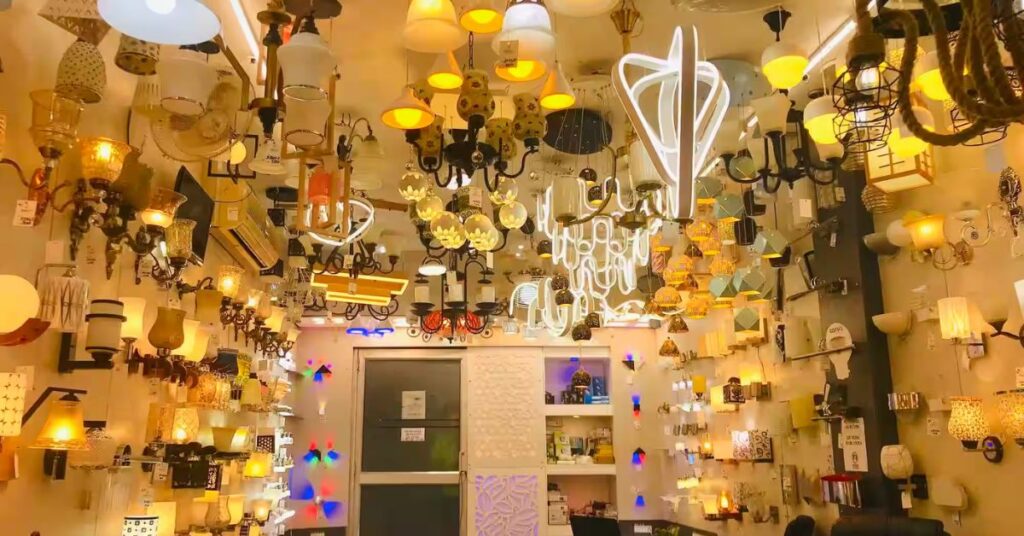
Why you should care (beyond “it looks nice”) Luxury lighting is design and engineering together. When you Buy Luxury Lighting in Delhi, you’re investing in: In short, the best luxury lights are as much about how they frame your décor and people as they are about raw brightness. Where to look: showrooms, studios and markets in Delhi If you want to Buy Luxury Lighting in Delhi, start at specialist showrooms to touch, feel and compare scale. What to inspect in person (the tactile checklist) When you go to the showroom to Buy Luxury Lighting in Delhi, bring this checklist: Bring fabric swatches, paint chips or a photo of the room so you can evaluate how the light and finish interact with your colours. Technical specs that matter for luxury fixtures Luxury lighting buyers need to think technically — because specs shape experience. These product details determine whether a luxury light will look and feel premium for years — not just for the first week. Styles, materials & what’s trending in 2026 When you set out to Buy Luxury Lighting in Delhi, think about style longevity: Trends change, but material authenticity and finish quality remain the best indicators of long-term value. Installation, safety & ceiling considerations Luxury chandeliers are often heavy and need special attention: Plan installation as part of purchase — unexpected structural or wiring work is the usual reason orders overrun time and budget. Aftercare: cleaning, spares and refinishing When you Buy Luxury Lighting in Delhi, ask about aftercare: Vendors who provide aftercare signal long-term support and higher resale value for fixtures. Negotiation & buying tips for Delhi If you need to Buy Luxury Lighting in Delhi fast (e.g., for an event), prioritize showrooms with local stock in Delhi or wholesalers who can provide immediate spares. Shortlist of local showrooms & markets Frequently asked questions Q: Is it better to buy online or visit a showroom? A: For luxury pieces, always visit showrooms in Delhi first — photos don’t convey finish, scale or sparkle. Use online shops for price comparison and follow-up orders after inspection. Q: How long will a premium chandelier last? A: With quality materials and driver replacements, many luxury fixtures remain serviceable for decades. Look for replaceable modules and a good warranty. Q: Should I worry about LED colour shift over time? A: Choose fixtures specifying L70 ≥ 50,000 hours and quality LED modules; cheaper LEDs can shift colour or dim irregularly over the years. Final checklist before you buy

Buy Luxury Lighting in Delhi: The 2026 Buyer’s Guide to Showrooms, Styles & Smart Purchases Read More »

LED Lights for Showroom in Delhi

LED Lights for Showroom in Delhi: Buyer’s Guide, Specs & Where to Buy

Why choosing the right LED lights for showroom in Delhi matters Showrooms are visual environments: customers judge materials, colors, and finishes under your light, not in their heads. The right LED lights for showroom in Delhi will: A good lighting showroom in Delhi will show you how fixtures look on products, not just on a spec sheet — that hands-on experience is especially important when you’re selecting LED lights for showroom in Delhi. Quick summary: the single best spec targets to ask for When you ask a supplier for LED lights for showroom in Delhi, use these baseline targets in your shortlist and RFQ: These numbers will help you compare quotes apples-to-apples and avoid the “looks-bright-in-the-showroom” trap. Fixture types that sell (and how to use them) Practical, product-oriented picks for showrooms in Delhi — all sensible choices for LED lights for showroom in Delhi: 1. COB / Narrow-beam Spotlights (Track or Surface) 2. Adjustable Track Heads 3. Linear Suspended Profiles 4. LED Panel & Troffer (Ceiling Grid) 5. Shelf / Display Case Lighting (Linear LEDs & Micro Spots) 6. Cove & Wall-washers 7. Decorative Pendants (Accent) When you order LED lights for showroom in Delhi, always ask the vendor to show photometric data (IES files) and mockups — lighting will behave differently once fixtures are above real products. Lux planning: aisle vs product display Good showroom lighting uses contrast to direct the eye. Practical rules you can copy into plans for LED lights for showroom in Delhi: Ask suppliers for a lighting layout (lux map) using your floorplan — any reputable Delhi showroom vendor should provide this. Color accuracy: CRI, TM-30, and why it matters in Delhi showrooms For showrooms, color is the product. CRI measures how well a light source renders colors against a reference: When sourcing LED lights for showroom in Delhi, demand test samples: hang fabric swatches or paint samples under the lights and view them from multiple angles. Controls & smart features that actually save money Smart controls make LED lights for showroom in Delhi pay back faster: Ask your supplier which control protocol they support. If you plan to integrate with building management later, prefer open protocols. Energy, certifications & quality checks In India, look for both quality and compliance when you buy LED lights for showroom in Delhi: Governments and utilities sometimes run energy-efficient lighting schemes — check local EESL or BEE programs for incentives when planning a large retrofit. Where to source LED lights for showroom in Delhi Delhi has a dense lighting trade: national brands plus local wholesalers and showrooms. For LED lights for showroom in Delhi you’ll typically find: Practical tip: visit one showroom for product feel (finish, glare, color), then get quotes from 2–3 wholesalers for price and lead time. Ask for sample fixtures to test on-site before a full rollout. Installation & layout tips for Delhi showrooms Budgeting & ROI A simple comparison — replacing old CFL/Halogen with LEDs: Ask suppliers for a simple TCO (total cost of ownership) that includes energy consumption, lamp/driver replacement schedule, and maintenance costs — this will help you compare LED lights for showroom in Delhi vendors transparently. Maintenance & spare parts — don’t overlook this Quick checklist before you sign an order Final thoughts Buying LED lights for showroom in Delhi is a combination of technical specs and real-world testing. Use these practical spec targets, demand lux maps and sample fittings, and work with vendors who provide local spares and after-sales support. With the right choices — high CRI accents, proper lux ratios, and efficient drivers — your showroom will show products honestly, look professional, and run cheaper for years.

LED Lights for Showroom in Delhi: Buyer’s Guide, Specs & Where to Buy Read More »

Best Lights for Home

Best Lights for Home: Buyer’s Guide, Room-by-Room Picks & How to Choose

Why good home lighting matters Good lighting changes how a home feels and functions. The Best Lights for Home: Think of lighting as layers: ambient (general), task (focused), and accent (decorative). Combining layers is one of the clearest signs you’re using the Best Lights for Home approach. Core specs every buyer should understand Before you buy, look at a product’s spec sheet. The Best Lights for Home make these numbers easy to find. Knowing these makes it easy to compare fixtures and identify the Best Lights for Home for your needs. Types of home lights and when to use them No single fixture fits every room. The Best Lights for Home often combine different fixture types. 1. Ceiling-mounted ambient lights (flush, semi-flush, recessed) Great for general illumination in bedrooms, hallways, and kitchens. Choose diffused covers for soft light; use recessed downlights for cleaner ceiling lines. 2. Pendant lights Perfect over dining tables, kitchen islands, or entryways. Pendants are both functional and decorative — they can be statement pieces. 3. Chandeliers Use where you want drama: foyers, dining rooms, or master bedrooms. Modern chandeliers can be surprisingly energy-efficient when fitted with LED modules. 4. Track & spotlighting Flexible for highlighting artwork, shelving, or changing display areas. Track systems let you reposition heads without rewiring. 5. Wall sconces Add layered light and help reduce ceiling-only glare. Nice for corridors, beside beds, or framing mirrors. 6. Task lamps (desk, reading, under-cabinet) Task lighting is essential in kitchens, study nooks, and bedside areas. The Best Lights for Home include adjustable task lamps with CCT control and good CRI. 7. Cove & indirect lighting Hidden strips or linear fixtures that wash ceilings and walls create a soft, luxurious glow and reduce harsh shadows. 8. Smart bulbs and integrated LED fixtures Smart bulbs replace traditional lamps; integrated fixtures have built-in LED modules with long life and often richer control options (tunable white, scenes). 9. Outdoor & security lighting Choose IP-rated fixtures and motion sensors for porches, driveways, and gardens. Combining these types thoughtfully is how you arrive at the Best Lights for Home for each space. Room-by-room recommendations Below are practical setups and spec targets so you can choose fixtures like a buyer who knows what matters. Living Room Kitchen Dining Room Bedroom Home Office / Study Bathroom Hallways & Stairs Outdoor (porch, garden) Each room’s recommendations will help you zero in on the Best Lights for Home for your specific needs. Smart lighting & human-centric options Smart lighting does more than convenience — it helps match light to activity and time of day. If you want circadian-friendly lighting, set cooler light in active morning hours and warmer, dimmer light in the evening — that’s a practical way to use the Best Lights for Home technology. Energy, sustainability & cost of ownership Good lighting saves money long-term. A slightly higher upfront cost for efficient, well-controlled lighting often returns savings in 2–5 years. Installation & layout tips Following these tips helps ensure you actually get the Best Lights for Home performance after installation. Buying checklist: how to choose a product When you’re comparing models, use this checklist: This checklist will help you pick fixtures that qualify as the Best Lights for Home for your budget and taste. Maintenance & troubleshooting Good maintenance extends life, ensuring your chosen fixtures remain among the Best Lights for Home for years. Frequently asked questions Q: What color temperature is best for a home? A: There’s no single best. Use warm (2700–3000K) for relaxing areas, neutral (3500–4000K) for kitchens and workspaces, and tunable white where you want flexibility. Q: Are smart bulbs worth it? A: Yes, if you value schedules, scenes, or remote control. For simplicity, smart switches can be easier for guests to use. Q: What CRI should I pick? A: CRI 80 is fine for general spaces; CRI 90+ for kitchens, art, and areas where color matters. Q: Are integrated LED fixtures better than replaceable bulbs? A: Integrated fixtures often have better performance and lifespan, but replaceable bulbs are easier to switch if technology changes. Final checklist before you buy Conclusion Selecting the Best Lights for Home is a mix of objective specs and personal taste. Focus on the numbers that matter — lumens, CCT, CRI, efficacy — while designing layered lighting that suits how you live. Prioritize dimmability, quality drivers, and sensible warranties. With the product-oriented recommendations and checklists above, you can confidently pick fixtures that make your home look better, feel better, and run more efficiently.

Best Lights for Home: Buyer’s Guide, Room-by-Room Picks & How to Choose Read More »

Best Lights for Office

Best Lights for Office: The 2026 Buyer’s Guide to Bright, Comfortable & Energy-Smart

Why good office lighting matters Great lighting is both functional and psychological. The Best Lights for Office: Designing with human needs and measurable specs (lux, CCT, CRI, UGR) is how you move from “just bright” to the actual Best Lights for Office in your space. Core specs every buyer must understand When choosing fixtures, good manufacturers provide clear spec sheets. The Best Lights for Office will make these numbers easy to find. Lumen output and lux Correlated Color Temperature (CCT) Colour Rendering Index (CRI) Efficacy (lm/W) Glare & Uniformity Flicker & Dimming Lifespan & Warranty Types of office lights (and when to use them) No single product rules every office. The Best Lights for Office are usually a combination that matches function and layout. 1. LED Panel Lights / Troffers 2. Linear Suspended LEDs 3. Recessed Downlights 4. Task Lamps & Desk Lighting 5. Pendant Lighting 6. Track Lighting 7. Wall Washers & Cove Lighting 8. Emergency & Exit Lighting No single fixture is perfect — the Best Lights for Office in practice will combine ambient panels, linear task fixtures, and desk lamps with appropriate controls. Product checklist: what to look for Product checklist — what to look for in the Best Lights for Office: Product-oriented suggestions by use case Here are practical product suggestions to help pick the Best Lights for Office by specific use case. Rather than brand models, I give spec-driven picks you can use to shortlist products. A. Home office (single desk) B. Open-plan office (10–100 people) C. Meeting rooms & boardrooms D. Reception & client areas E. Design studios/product inspection Smart controls & human-centric lighting For many buyers, the Best Lights for Office are now smart: they offer tunable white (adjustable CCT), occupancy sensing, daylight harvesting, and scheduling. Benefits: Energy & sustainability: what to prioritize Choosing energy-efficient fixtures is part of finding the Best Lights for Office. Prioritize: Factor in total cost of ownership: LEDs save on energy and maintenance, but plan for controls and sensors to maximize savings. Installation & layout tips A proper layout is what separates well-installed fixtures from the Best Lights for Office candidates. Maintenance & warranties Prioritize fixtures with solid warranties and accessible drivers — those are traits of the Best Lights for Office over the long run. Budgeting & ROI Short-term costs can be higher for the Best Lights for Office, but energy savings and reduced maintenance often repay the premium within 2–5 years, depending on hours of operation and electricity costs. When calculating ROI, include: Four quick case scenarios Small home desk (10–12 m²): A 600×600 mm LED panel (4000K, 3000 lm) + an adjustable desk lamp (tunable CCT, CRI 90) gives focused light without glare — a compact version of the Best Lights for Office philosophy. Open-plan (50 desks): Linear 1.2m suspended LEDs above bench rows, panels in circulation, occupancy sensors, and daylight dimming — balanced uniformity and savings. Boardroom (12 people): Dimmable ceiling panels with separate pendant over table, tunable white for meeting modes, and blackout for AV creates a multi-functional space. Reception & display area: Cove lighting or wall washers to highlight branding, combined with pendant accents and warm-neutral CCT to feel welcoming. Frequently asked questions Q: What are the best lights for office tasks like paperwork or long screen use? A: Aim for fixtures that deliver 300–500 lux at desk level, CRI 80–90, 3500–4000K CCT, and low UGR. Combine ambient panels with a desk lamp for individual control. Q: Can warm lights be used in the office? A: Yes—for relaxation zones, lounges, and reception areas. For task areas, neutral to cool (3500–4000K) is more common. The Best Lights for Office often mix CCTs by zone. Q: Do I need tunable white lighting? A: Not always, but tunable systems are recommended if you want to follow human-centric lighting strategies (supporting alertness in the morning and winding down later). Q: Is CRI 80 OK? A: CRI 80 is acceptable for most administrative and meeting spaces. Choose CRI 90+ for design, product inspection, or places where color judgment is critical. Q: How do I avoid screen glare? A: Use indirect lighting, position fixtures to avoid reflections, keep luminance around screens lower than surrounding areas, and use anti-glare monitor filters if necessary. Final checklist before you buy Conclusion Choosing the Best Lights for Office is a practical, measurable process — not a guessing game. Focus on real specs (lumens, CCT, CRI, UGR, efficacy), layer your lighting (ambient + task + accent), add controls for flexibility and savings, and prioritize durability and service. Whether you’re building a cozy home office or specifying fixtures for a large open-plan workplace, this product-oriented approach will help you select lighting that supports comfort, productivity, and long-term value.

Best Lights for Office: The 2026 Buyer’s Guide to Bright, Comfortable & Energy-Smart Read More »

Cove Lighting in Delhi

Cove Lighting in Delhi – The Complete Buyer’s Guide for Homes, Offices & Hospitality

Why choose Cove lighting? Cove lighting is more than decoration — it changes perception and function: If you want visually pleasing, layered lighting that doesn’t scream “look at me” but subtly transforms a space, Cove Lighting in Delhi is a top choice. Common cove lighting systems — what the market sells When shopping for Cove Lighting in Delhi, you’ll encounter these product groups: For most Delhi residential and commercial jobs, aluminium profiles with high-quality LED strips are the sweet spot: affordable, serviceable, and widely available. If you need very long continuous runs without visible seams, consider prewired linear fixtures. Key technical specs every buyer should demand Don’t buy by appearance. Ask for these numbers when comparing products for Cove Lighting in Delhi: Insisting on datasheets with these numbers makes specification and comparison easy and prevents surprises. Design basics: how to plan a cove Cove lighting design happens at two levels: the architectural cove and the lighting specification. 1. Decide the cove geometry 2. Select strip and diffuser 3. Compute lumens Decide desired lux on the ceiling or wall. A quick rule: for a comfortable ambient cove wash, aim for 100–300 lux on the ceiling area immediately adjacent to the cove. Use lumens per metre × run length and account for losses (diffuser and reflection) to pick strip density. 4. Aim and finish Planning like this helps your contractor order the right strip density and profile so your Cove Lighting in Delhi looks intentional, not DIY. Color temperature and CRI — choosing what looks best Choosing CCT and CRI for Cove Lighting in Delhi affects mood and function: If you’re lighting artwork or fabric-heavy interiors, choose CRI ≥90 to preserve material colors and textures. For most cove uses, CRI 80–90 balances cost and quality. Dimming, control systems, and smart features Controls make cove lighting much more useful: When buying Cove Lighting in Delhi, match the control protocol to your electrician’s experience. Wireless is easy to retrofit; DALI is robust for new builds. Installation tips — practical Delhi-focused advice Installation quality determines how long cove lighting looks great. Working with a contractor familiar with local practices in Delhi will avoid common mistakes like undersized drivers, poor cable gauge choices, and inadequate sealing. Maintenance & longevity — keep your cove glowing Cove lighting is low-maintenance, but a plan helps: A small maintenance checklist handed to household help or the facility manager extends the charm and life of your Cove Lighting in Delhi investment. Budgeting & procurement — where to buy and what to ask When buying Cove Lighting in Delhi, your main channels are showrooms, electrical wholesalers, lighting distributors, and online. Tips: For large projects (hotels, offices), ask vendors for photometric layouts and references from recent Delhi installations. Design examples — practical inspirations These product-focused examples help you brief a contractor or showroom salesperson quickly. Buying checklist — take this to the showroom Bring this checklist to ensure your Cove Lighting in Delhi purchase matches your expectations. Common pitfalls & red flags If the supplier can’t provide datasheets or a dimming demo, treat the quote cautiously. Frequently Asked Questions (FAQ) Q: What CCT is best for a living room cove? A: 2700–3000 K for a warm, relaxing atmosphere; 3000–3500 K for a neutral look. Q: Will I see LED dots through the diffuser? A: With a good opal diffuser and adequate recess depth (40–80 mm), LED dots are generally invisible and give a continuous wash. Q: Can I retrofit cove lighting into an existing cornice? A: Yes — using slim edge-lit strips or low-profile profiles, but check thermal clearance and driver access first. Q: Do I need IP-rated strips for balconies? A: Yes — for exposed balconies, choose IP65+ rated strips and sealed profiles to handle rain and dust. Final thoughts — make it intentional Cove lighting transforms spaces subtly but powerfully. For Cove Lighting in Delhi, focus on lm/m, CCT, CRI, diffuser quality, and proper driver/thermal planning. Work with a contractor who tests and runs at night, provides driver spares, and documents as-built wiring. With careful specification and the checklist above, your cove will be a calm, flattering light source that lasts years and barely shows its seams.

Cove Lighting in Delhi – The Complete Buyer’s Guide for Homes, Offices & Hospitality Read More »

Step Lighting in Delhi

Step Lighting in Delhi – The Complete Buyer’s Guide for Homes, Gardens & Public Spaces

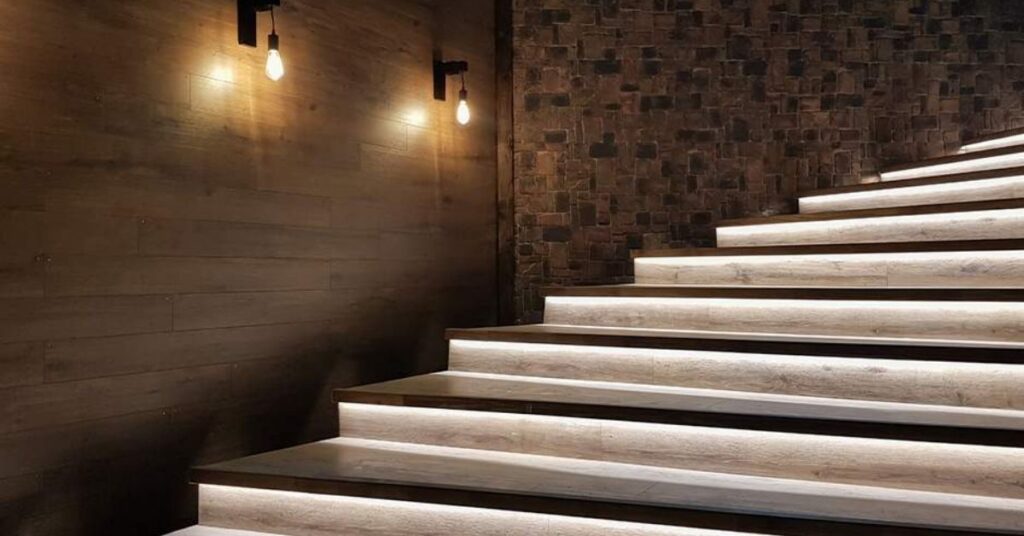
Why step lighting matters (safety, appearance, and value) Step lighting isn’t just decorative. Proper Step Lighting in Delhi does three things well: In Delhi, where dust, monsoon rains, and seasonal temperature swings are real concerns, pick fixtures built for the outdoors and rated for water and dust ingress if they’re near entrances or uncovered terraces. Common types of step lighting and where to use them Choosing the correct form factor is the first product decision a buyer makes when shopping for Step Lighting in Delhi. Here are the common types you’ll see and their best uses: Each type has pros and cons: recessed lights look clean but need cut-outs and more careful installation; in-grade fixtures are robust but must be specified to withstand foot traffic and water ingress. Key technical specs every buyer must demand A good product selection starts with reading the datasheet. For Step Lighting in Delhi, insist on the following specifications for each fixture: Never accept a fixture without a datasheet showing lumens, IP/IK, CCT, and L70 lumen maintenance. These are the figures that predict long-term performance, not the glossy product photos. How bright should step lights be — lumen targets and design rules One of the biggest mistakes buyers make is over-lighting or under-lighting steps. Use these practical targets for Step Lighting in Delhi: Spacing and mounting height determine how many fixtures you need. A practical rule: mount wall-recessed step lights at a height of 100–150 mm above the tread and space them one per step or every other step depending on lumen output. For in-grade fixtures, center them close to the step edge and ensure their beam covers the tread uniformly. Always test a sample fixture on-site at night — photos and showroom lighting won’t tell you how the fixture performs on your stairs. Color temperature & visual comfort Color temperature influences visibility and mood. For most Step Lighting in Delhi projects: Avoid mixing multiple CCTs on the same run of steps. Mixed temperatures look inconsistent and can confuse depth perception. If you want both task clarity and a warm ambiance, use neutral/warmer ambient lighting with cooler task accents sparingly. Solar vs mains-powered step lights — which to pick in Delhi Both solar and mains-powered Step Lighting in Delhi have roles. Here’s how to choose: Solar step lights Mains-powered step lights (230V or low-voltage 12/24V) For permanent, frequently used steps — especially near entrances and public areas — mains-powered fixtures typically deliver a more reliable and controllable solution. For smaller garden projects or where cabling is impractical, choose high-quality solar fixtures with clear battery and autonomy specs. Materials, finishes, and durability for Delhi’s climate Delhi’s seasonal dust and monsoon demand durable materials for your step lighting: When you ask a supplier for Step Lighting in Delhi, inspect sample finishes and gaskets. Cheap coatings blister and corrode quickly when exposed to Delhi’s pollution and monsoon humidity. Controls, sensors, and smart features Adding controls to step lighting can enhance safety and save energy: If you’re installing mains-powered Step Lighting in Delhi, ask electricians to provide separate circuits or addressable drivers so you can group and dim runs independently. Installation best practices and safety Poor installation kills even quality products. Follow these practical rules when installing Step Lighting in Delhi: Document as-built locations and wiring — this pays dividends for maintenance and future upgrades. Maintenance — a small plan that keeps lights bright Step lights usually require low maintenance, but a little care extends life, especially in Delhi: A simple maintenance checklist for building staff or household help keeps Step Lighting in Delhi performing reliably. Buying options in Delhi — showrooms, contractors, and online Where to source Step Lighting in Delhi: When comparing quotes, include installation, conduit, junction boxes, and commissioning — many contractors quote only fixtures and surprise buyers with installation add-ons later. Buying checklist — print and take to the showroom Take this checklist when evaluating suppliers and installers for Step Lighting in Delhi. Common pitfalls & red flags Avoid these traps when buying step lighting in Delhi: If a supplier can’t provide datasheets or test samples, treat the offer as high risk. Frequently Asked Questions (FAQ) Q — What IP rating should I insist on for outdoor step lights? A — For exposed outdoor Step Lighting in Delhi installations, insist on at least IP65; choose IP67 for in-grade fixtures that may face standing water. Q — Can I mix solar and mains step lighting on the same stair run? A — It’s possible, but not recommended for visual consistency. Mixed sources can vary in color temperature and brightness; if you must, choose high-quality solar fixtures that match the CCT and lumen output of mains fixtures. Q — How often will solar battery packs need replacing? A — High-quality Li-ion batteries typically last 2–5 years, depending on charging cycles and ambient conditions. Q — Is it better to light every step or every second step? A — Lighting every step gives uniform clarity but costs more. For residential runs, lighting every second step often suffices if fixtures are brighter; for public or high-risk areas, light every step. Final thoughts — making the right buy Good Step Lighting in Delhi is a small investment with a big impact on safety and curb appeal. Prioritize lumens, IP/IK ratings, and driver quality over low prices. Test samples on-site at night, maintenance plan, and work with licensed electricians for safe, durable installations. With thoughtful specification and the checklist above, you’ll get step lights that perform reliably season after season — and look great while doing it.

Step Lighting in Delhi – The Complete Buyer’s Guide for Homes, Gardens & Public Spaces Read More »

LED Ceiling Panel Lights in Delhi

LED Ceiling Panel Lights in Delhi – Buyer’s Guide, Specs & Best Options

Why choose LED ceiling panel lights? LED ceiling panel lights are among the most popular solutions for modern interiors because they provide: If your project is in the city, opting for LED Ceiling Panel Lights in Delhi helps control monthly energy costs and reduces the frequency of maintenance visits — both big wins for busy businesses and homeowners. Types of LED ceiling panel lights and how to pick Here are the panel types you’ll commonly find at Delhi suppliers and what each is best for: When shopping for LED Ceiling Panel Lights in Delhi, select the type that matches your ceiling construction, aesthetic preference, and budget. For large corporate spaces, recessed backlit panels often offer the best uniformity; for homes, slim surface-mounted panels provide a neat finish with less ceiling work. Key specifications every buyer should demand Vendors often list watts and price, but good buyers ask for measurable performance numbers. For LED Ceiling Panel Lights in Delhi, insist on: When comparing quotations for LED Ceiling Panel Lights in Delhi, put these specs side-by-side in a spreadsheet so you’re comparing performance, not just price. Size, format, and dimension choices Choose panel dimensions based on the ceiling grid and room scale: If your ceiling is a standard modular grid, match the panel size to minimize ceiling modification. When buyers ask local suppliers for LED Ceiling Panel Lights in Delhi, request the exact cutout or grid size so installers don’t need to rework the ceiling. Light distribution, beam control, and UGR Panels are designed to give a soft, diffuse light. But there are differences: If your purchase is for an office in Delhi, specify the UGR target and ask manufacturers for photometric files to confirm compliance with anti-glare requirements. Color temperature, CRI, and where to use which Correct CCT and CRI selection affects mood and task performance: When installing LED Ceiling Panel Lights in Delhi, plan to keep CCT consistent across zones to avoid jarring color shifts and to maintain a cohesive look across open-plan areas. Controls, dimming, and smart integration Modern panels can be simple on/off fixtures or integrate into smarter systems: For businesses in Delhi looking to reduce utility bills, pairing LED Ceiling Panel Lights in Delhi with occupancy and daylight-harvesting controls typically brings the fastest payback. Installation, cutouts, and mounting tips Good installation avoids callbacks: When buying LED Ceiling Panel Lights in Delhi, ask suppliers to include mounting kits and clear installation drawings in their quotes so you can compare installation costs accurately. Common pitfalls and red flags when buying Avoid these mistakes: If a vendor can’t provide datasheets, test samples, or warranty confirmation for LED Ceiling Panel Lights in Delhi, treat their quote with caution. Maintenance & longevity — what to expect Smart procurement for LED Ceiling Panel Lights in Delhi includes a spare-parts plan and a maintenance schedule to protect your investment. Buying channels in Delhi — showrooms, distributors, and online Where to source panels: When evaluating suppliers for LED Ceiling Panel Lights in Delhi, request a sample install where possible and ask for references from similar projects. Buying checklist — use this in showrooms and when requesting quotes Bring this checklist to make an apples-to-apples comparison when buying LED Ceiling Panel Lights in Delhi. Frequently Asked Questions (FAQ) Q: What size panel should I use for a 4×4 m office? A: For a 16 m² office targeting 350 lux, you’ll typically use 4–6 panels of 36 W (≈3,600 lm each), depending on ceiling height and reflection — always confirm with a simple lumen calculation or IES simulation. Q: Are edge-lit panels as good as backlit panels? A: Edge-lit panels are thinner and cheaper; backlit panels usually give superior uniformity and lower UGR. Choose backlit for high-glare-sensitive areas. Q: How do I avoid flicker? A: Buy panels with low-flicker drivers and ensure dimmer compatibility. Ask for flicker percentage or IEEE 1789 compliance from suppliers. Q: Do I need IP-rated panels? A: For kitchens, bathrooms, and semi-outdoor canopies, choose IP44 or higher. Standard office ceilings usually use IP20 panels. If you want, I can create a short fixture schedule and cost estimate for your site in Delhi — send the floor area, ceiling type, and required lux, and I’ll draft a starter spec for the exact LED Ceiling Panel Lights in Delhi models you should consider. (Occurrences: 20) Conclusion — buying confidently and avoiding surprises Buying the right LED Ceiling Panel Lights in Delhi is less about brand and more about specs: lumens, lm/W, CCT, CRI, glare control, driver quality, and service support. Match panel type to your ceiling, insist on photometric data for workspaces, confirm dimming compatibility early, and plan for installation and maintenance. With a disciplined spec and the checklist above, you’ll get lighting that looks great, performs reliably, and delivers energy savings year after year.

LED Ceiling Panel Lights in Delhi – Buyer’s Guide, Specs & Best Options Read More »