Lights

Bath and Lights Showroom in Delhi

Bath and Lights Showroom in Delhi by The Lantern by Agarsain Bath and Lights

Finding the right bath and lights showroom in Delhi is about much more than shopping for fixtures. It is about choosing products that shape the comfort, beauty, and daily function of your home. Lighting changes how a room feels. Bathroom changes how a bathroom works. When these two categories come together in one place, buyers get a much better experience because they can design the space as a whole rather than selecting pieces in isolation. That is exactly why a trusted bath and lights showroom in Delhi can make such a big difference for new buyers. At The Lantern by Agarsain Bath and Lights, the focus is on helping customers turn concepts into reality through bespoke lighting and bathware solutions. The brand says it transforms ideas into living spaces through customized lighting and bathware guidance, and its official site presents the showroom as a place where premium lighting and bathware are brought together into a single experience. If you are searching for a bath and lights showroom in Delhi, you are probably looking for more than a simple retail store. You want a place where you can compare products, understand quality, and get practical advice before spending money. That is especially important when buying lighting and bathroom products, because both categories affect long-term comfort, maintenance, and overall design. The Lantern’s official materials show that its team helps guide customers through lighting selection and offers tailored solutions for different environments. Why a combined bath and lights showroom matters A bathroom or home renovation usually involves many decisions at once. You need the right light fixtures, the right fittings, the right finishes, and the right proportions for your space. When you visit a bath and lights showroom in Delhi, you get to think about the home as one connected design rather than as separate purchases. That saves time and helps avoid mismatched choices. Lighting shapes mood and usability, while bathware shapes comfort and functionality. The Lantern’s site positions the showroom as a one-stop destination for bespoke bathware and lighting, which is helpful for buyers who want a coordinated result instead of piecing everything together later. A combined showroom is also useful because lighting and bathware often influence each other. The finish of a bathroom fitting looks different under warm light than under cool light. A shower niche, a vanity mirror, or a wall-mounted basin can feel more premium when paired with the correct lighting. This is why a bath and lights showroom in Delhi is such a smart place to begin a project. What The Lantern by Agarsain Bath and Lights offers The Lantern is based in Rajouri Garden, New Delhi, at B-9/11, Ring Road, Rajouri Garden, New Delhi – 110027. The official contact page lists three phone numbers—9654677600, 9654077600, and 9540177600—along with the emails agarsainbathandlights@gmail.com and ablsalesinquiry@gmail.com. The brand describes itself as a showroom that offers bespoke lighting and bathware solutions and says it works to bring a customer’s vision to life. It’s about page also states that the team helps guide customers through lighting selection and that the brand partners with respected names such as Wipro, Philips, and Goldmedal for lighting solutions. That matters because many buyers do not just want products; they want confidence. A good bath and lights showroom in Delhi should help with selection, explain technical differences, and show how products work in real life. The Lantern’s own blog content highlights that customers often choose the showroom because it offers real-life demo setups, consultation for homeowners, architects, and designers, and a wide variety of architectural COBs, linear lights, wall washers, and outdoor LEDs. Lighting categories new buyers should explore If you are visiting a bath and lights showroom in Delhi, lighting is likely to be one of the first categories you notice. The Lantern’s site shows that it specializes in modern and architectural lighting solutions, including architectural COB lights, linear bespoke lights, wall washers, surface cylinders, diffused and modular lights, and outdoor lighting solutions. Architectural COB lights These are useful when you want focused, precise lighting. The Lantern describes them as suitable for living rooms, offices, and showrooms, and notes product series such as Asteroid, Terra, and Flare. For a buyer, this means the showroom is not just about decorative options but also about functional, layered lighting. Linear bespoke lights Linear lights are excellent for modern ceilings, workspaces, and accent lighting. They give a sleek, continuous look and are especially useful when you want a clean architectural finish. The Lantern highlights them as part of its premium modern lighting offering. Wall washers and surface cylinders These are helpful when you want to highlight texture, artwork, feature walls, or detailed surfaces. The Lantern’s guide describes wall washers and surface cylinders as tools for adding depth to interiors, which makes them especially valuable in homes, showrooms, and offices. Diffused and modular lights These are a strong choice for ambient lighting because they spread light more evenly and reduce glare. That is important in living rooms, retail spaces, and modern homes where comfort matters as much as brightness. The Lantern explicitly lists diffused and modular lights among its main product lines. Outdoor lighting For façades, gardens, balconies, and exterior architecture, weather-resistant lighting is essential. The Lantern includes outdoor lighting solutions among its premium categories, making it a relevant choice for homeowners and designers planning full-property lighting. LED strip lights LED strip lights are one of the most flexible products in any bath and lights showroom in Delhi. The Lantern describes them as energy-efficient, budget-friendly, and versatile, with warm white, cool white, RGB, and RGBW options for different moods and uses. They can work in living rooms, kitchens, storefronts, and signage. Surface lighting fixtures The Lantern’s surface lighting guide explains that surface fixtures are mounted directly on ceilings or walls, making them useful where false ceilings are not possible or where easy maintenance is needed. It also notes that they are available in shapes such as round, square, cylinder, and panel styles. For a new buyer, this is important because

Bath and Lights Showroom in Delhi by The Lantern by Agarsain Bath and Lights Read More »

Light Shops in Delhi

Light Shops in Delhi: A Complete Guide for New Buyers

This guide is designed to help new buyers understand everything they need before selecting light shops in Delhi. Whether you are shopping for ceiling lights, chandeliers, LED lights, wall lights, pendant lights, bathroom lights, or outdoor lights, this detailed blog will help you make the right decision. And if you are exploring premium options, The Lantern by Agarsain Bath and Lights offers a thoughtful, product-oriented lighting experience for modern homes and spaces. Lighting is one of the most important parts of any space, yet it is also one of the most underestimated. A room may have beautiful furniture, stylish paint, and premium flooring, but without the right lighting, it still feels incomplete. That is why people searching for light shops in Delhi are not just looking for fixtures. They are looking for comfort, style, function, and a better experience in their homes and workplaces. Delhi is a city where design, practicality, and lifestyle meet uniquely. From compact apartments to luxurious villas, from modern offices to elegant boutiques, every space needs the right lighting solution. The good news is that there are many light shops in Delhi, but the real challenge is finding the one that understands your taste, your budget, and your needs. Why lighting matters more than most people think Many buyers visit light shops in Delhi only after they have finished most of their interiors. That is a common mistake. Lighting should not be treated as an afterthought. It affects how large a room feels, how warm it looks, how productive a workspace becomes, and even how comfortable your eyes feel at the end of the day. Good lighting can: The right lighting is not only about brightness. It is about balance. The best lighting showroom in Delhi will help you combine practical lighting with decorative appeal so your home feels both beautiful and usable. What new buyers should know before visiting light shops in Delhi If you are visiting light shops in Delhi for the first time, it helps to know what to look for. Lighting is a product category that includes many styles, technologies, and finishes. Without proper guidance, it is easy to get confused by design options, wattage, lumens, Kelvin temperatures, and fixture sizes. Here are the essentials every new buyer should understand. 1. Know the purpose of the light Every light has a purpose. Before buying, ask yourself where the light will be used. A reliable light shop in Delhi will usually guide you according to purpose instead of simply selling what looks attractive on display. 2. Understand room size and ceiling height Not every fixture fits every room. A large chandelier may look stunning in a spacious living room, but it can overwhelm a small apartment. Similarly, tiny ceiling fixtures may disappear in a large hall. Always consider: Good light shops in Delhi will help you match the fixture size to your room proportions. 3. Check the color temperature Color temperature has a big impact on the mood of your space. For bedrooms and living rooms, warmer tones are often preferred. For kitchens, study areas, offices, and bathrooms, brighter tones may work better. The best LED lights in Delhi usually come with multiple options, so you can select the right mood for each room. 4. Pay attention to the material and finish Lighting fixtures are not just functional items. They are also designed pieces. Materials like metal, glass, crystal, fabric, acrylic, wood, and brass each create a different style. A premium lighting showroom in Delhi often displays multiple finishes so buyers can compare what suits their décor best. 5. Think about maintenance Some lights are easy to clean, while others need more care. A crystal chandelier, for example, looks luxurious but requires more maintenance than a simple ceiling light. Likewise, outdoor fixtures must handle dust, heat, and weather conditions. When shopping at light shops in Delhi, always ask about: Popular lighting categories to explore in Delhi A good lighting buyer does not just search for one product. Instead, they explore different categories and understand what each one offers. Below are the most common and useful lighting products available in leading light shops in Delhi. 1. Ceiling lights Ceiling lights are one of the most practical choices for everyday use. They provide basic illumination and work well in bedrooms, kitchens, hallways, and living rooms. Modern ceiling lights come in many shapes and sizes, from simple flush mounts to stylish designer fixtures. For new buyers, ceiling lights are a smart starting point because they are easy to install, cost-effective, and available in a wide variety of designs. 2. Chandeliers A chandelier adds elegance and drama to any space. Whether your taste is classic, royal, or modern, chandeliers remain one of the most popular decorative lighting choices in light shops in Delhi. They work beautifully in: If you want a statement piece, a chandelier shop in Delhi or a premium lighting showroom is the right place to begin your search. 3. Pendant lights Pendant lights are stylish, compact, and versatile. They are ideal above kitchen islands, dining tables, bedside corners, counters, and even in commercial settings. Their suspended design adds visual interest without taking too much space. Pendant lights are especially popular in modern homes because they combine form and function beautifully. 4. Wall lights Wall lights create a warm, layered lighting effect. They are useful in bedrooms, corridors, living rooms, balconies, staircases, and bathrooms. Some designs provide direct illumination, while others create soft decorative glows. Wall lights are excellent for buyers who want lighting that is subtle but elegant. 5. LED lights LED lighting has become the preferred choice for many modern homes and offices. It is energy-efficient, long-lasting, and available in countless designs. From panel lights to strip lights, spotlights to decorative LEDs, there is something for every use. Many light shops in Delhi now focus heavily on LED collections because customers want durability and lower electricity bills. 6. Outdoor lights Outdoor lighting is essential for gardens, terraces, entrances, pathways, and boundary walls.

Light Shops in Delhi: A Complete Guide for New Buyers Read More »

How to Light a Retail Store

How to Light a Retail Store: The Practical, Product-Focused Guide

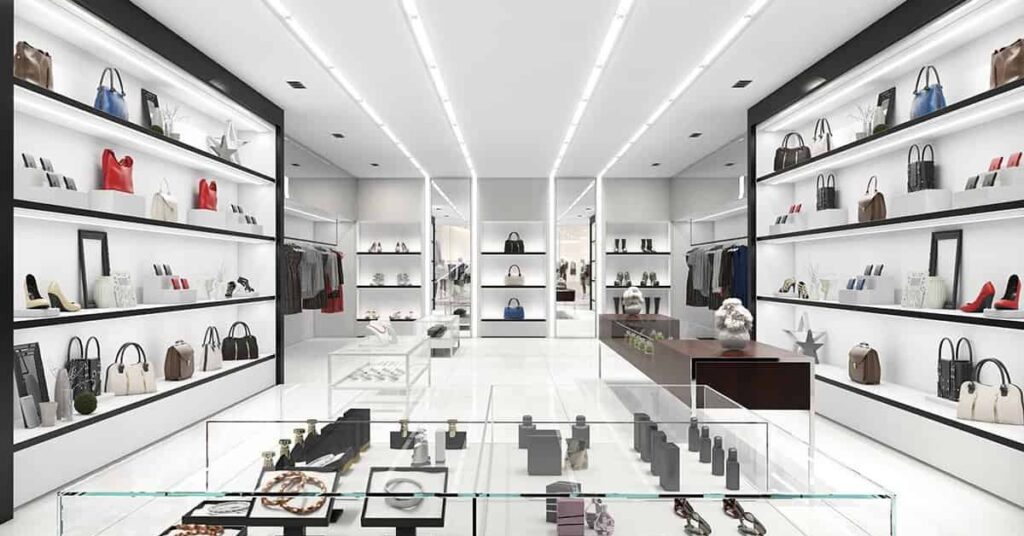
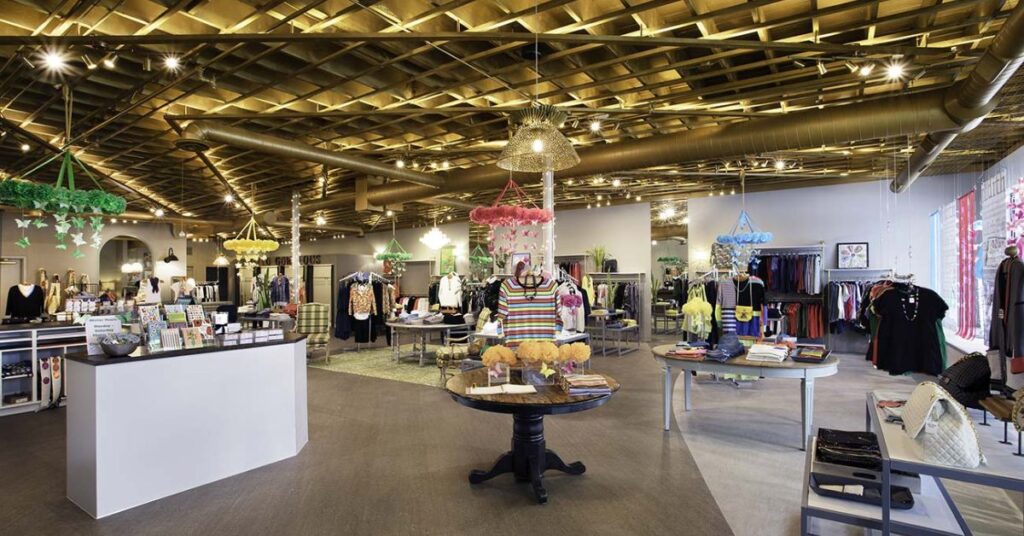
If you’re asking how to light a retail store, you want a space that makes products pop, guides customers, and spends as little on power and maintenance as possible. This guide walks a new buyer step-by-step through the whole process: strategy, measurable targets, product specs to demand, fixture choices, control systems, installation advice, commissioning, and procurement language you can copy and paste. It’s written to be practical and product-oriented so you can brief suppliers and electricians with confidence. Throughout, I’ll show exact numbers and example calculations (done step-by-step), so you won’t guess at the results. Read this, and you’ll know precisely how to light a retail store that sells more while costing less to run. Quick overview — what matters most when you learn how to light a retail store If you remember these seven things, you’ll already be well on your way to understanding how to light a retail store correctly. Step 1 — Define your retail lighting strategy (before you buy anything) Before picking fixtures, answer these questions: Example: a boutique selling textiles prioritizes warm, flattering light (CCT ~3000K, CRI ≥90) and dramatic window displays; a hardware store needs crisp, neutral 4000K light to show finish and detail. Answering the above is the first practical step in learning how to light a retail store. Step 2 — Zone, lux targets, and lumen math (do the numbers repeatably) Zoning is the foundation. Typical retail zones and recommended lux (illuminance at the product plane): How to convert lux to lumens (one repeatable calculation used when you learn how to light a retail store): Worked example (step-by-step digits): you want 500 lx on a feature wall that is 4.0 m wide and 2.5 m high — area A = 4.0 × 2.5. This arithmetic lets you size fixtures and is central to how to light a retail store with measurable outcomes. Step 3 — Choose CCT & CRI carefully (merchandise specifics) Colour makes or breaks retail. Guidelines: When you write procurement docs, include exact CCT and CRI numbers for each zone — this is non-negotiable when learning how to light a retail store professionally. Step 4 — Optics & beam angles (control light, avoid wasted spill) Beam angle choice controls how light concentrates and how many fixtures you need: Rule of thumb for accent spacing: aim distance roughly equals 1–1.5× the beam diameter on the target plane. Use photometrics (IES files) for precision. Beam control is a core skill in how to light a retail store — good optics mean fewer fixtures and crisper merchandising. Step 5 — Fixture types and where to use them (practical product guidance) Pick fixtures based on function: When considering how to light a retail store, choose fixtures offering replaceable drivers and compatible beam accessories (lenses, snoots) to extend flexibility. Step 6 — Controls: zoning, scenes, and protocols Controls are where energy savings and merchandising flexibility happen. Key control ideas to include in your plan: If you’re specifying controls, demand a central management interface, remote diagnostics, and power metering per zone. This is advanced practice in how to light a retail store and pays off at scale. Step 7 — Energy, efficacy & lifecycle economics (real numbers) Pick fixtures by efficacy (lm/W) and consider L70 life and warranty. Quick calculation example to show savings (stepwise digits): Scenario: replacing 20 halogen 50 W spots with 8 W LED equivalents (same light). This shows why knowing how to light a retail store with efficient LED fixtures is often a top operational priority. Step 8 — Procurement: specs to demand & RFQ template When inviting quotes, demand measurements, not claims. Minimum spec list: Copy-paste RFQ snippet (edit zone/quantities): RFQ: Supply & install feature wall lighting — 6 × track spot heads, delivered lumens 1,200 lm per head, beam 24°, CCT 3,000K, CRI ≥ 92, dimmable (DALI & triac), flicker <5% (report required), driver accessible in ceiling void; include IES files, controls (DALI panel), site commissioning, and 5-year warranty. Use this when you’re serious about learning how to light a retail store correctly — it forces vendors to provide hard data. Step 9 — Installation, aiming, and commissioning (on-site work) Good installation and commissioning are essential. If you want to know how to light a retail store that performs, don’t skip on-site commissioning and signed acceptance. Step 10 — Maintenance and spares plan Plan for maintenance to keep the lighting effective: A simple spare parts kit and logbook are among the most cost-effective shop lighting ideas you can implement. Common pitfalls when you learn how to light a retail store (and how to avoid them) Avoid these, and your lighting plan will be both beautiful and durable. Quick checklist — before you sign a supplier contract Checking these boxes ensures you’ll know how to light a retail store the professional way. Helpful manufacturers & standards (test before buying) For product datasheets, IES files, and documented compatibility, start with established suppliers and check national efficiency guidance. Example manufacturers and resources to consult include Philips for professional fixtures and photometrics, practical retail options at IKEA, and for energy & compliance guidance, refer to the Bureau of Energy Efficiency, where applicable. For drivers and power supplies, companies like Mean Well publish detailed specs that are useful in procurement. (Use these as starting points, but always validate data sheets and request test reports.) Final thoughts — turning strategy into sales Lighting is the silent salesperson. When you understand how to light a retail store, you design with measurable targets, choose the right fixtures and controls, and commit to commissioning and maintenance. Good lighting increases dwell time, improves perceived product quality, and reduces operational costs. Use the zoning, math, product specs, and RFQ templates above, and you’ll get a store that looks great, works reliably, and delivers real ROI.

How to Light a Retail Store: The Practical, Product-Focused Guide Read More »

Bathroom Lighting Showroom Delhi

Bathroom Lighting Showroom Delhi: The 2026 Buyer’s Guide

If you searched for bathroom lighting showroom delhi, you want more than pretty pictures — you want fixtures that survive steam, light faces accurately, reduce glare, and last. This guide walks you step-by-step through everything a new buyer needs to know before visiting a showroom in Delhi: what to measure, what technical numbers to demand, the best fixture types for mirror and shower zones, how to convert lux into lumens, dimming and driver compatibility, IP ratings for wet areas, budgeting in INR, sample RFQ text you can copy-paste, and maintenance tips so your bathroom lights stay brilliant year after year. Throughout, I’ll use clear, product-oriented language — the exact questions to ask at a bathroom lighting showroom delhi and the precise specs tradespeople need on an RFQ. Quick checklist — what to bring to any bathroom lighting showroom delhi Bring this short checklist to the showroom or on calls: When you walk into a bathroom lighting showroom delhi, having those items makes the conversation fast, precise, and productive. Why buying bathroom lighting from a showroom matters A showroom is where you can evaluate how fixtures actually look when lit, and compare finishes and CCT side-by-side. For bathroom lighting, this is crucial because: If you type bathroom lighting showroom delhi into Google, aim to visit two or three showrooms so you can compare lit displays, not just catalog photos. Understand the zone rules before you shop (mirror, shower, ambient) Bathrooms have distinct zones with different lighting needs. Use these rules at a bathroom lighting showroom delhi: Before visiting a bathroom lighting showroom delhi, sketch your ceiling plan with zones and the task planes (mirror height ~1.6–1.7 m) to make the visit actionable. Mirror lighting: the single most important decision at a bathroom lighting showroom delhi When you visit a bathroom lighting showroom delhi, start at the mirror lighting corner. Follow these product-oriented rules: Ask the showroom staff to demonstrate the fixture at full brightness and dimmed (if dimmable). Mirror lights should not produce harsh shadows; if they do, skip that model. How to size fixtures — converting lux into lumens (simple, repeatable math) You’ll hear a lot of wattage talk at showrooms. Ignore watts; use lumens and lux. Quick worked example — use this at the bathroom lighting showroom delhi counter: Bring this calculation to your bathroom lighting showroom delhi visit, so you and the vendor are aligned on actual brightness — not just “one pendant” or “two sconces”. CCT and CRI — what you must test in showroom lighting displays At the showroom, always test: Remember: fixtures marketed as “warm white” may still have different colour rendering. Ask for manufacturer datasheets to confirm CRI and CCT values. IP ratings and safety zones — what to demand at the showroom Bathrooms are wet environments — IP ratings matter. At a bathroom lighting showroom delhi, ask the staff to show the IP labeling on each fixture and explain where they recommend mounting it in your bathroom zones. Dimming, drivers & compatibility — ask the showroom to demo this Dimming is where buyers often run into trouble. At the bathroom lighting showroom delhi, request a live demo: A real demo of dimming behaviour (smoothness, buzzing, flicker) at the showroom saves you from after-install headaches. Popular fixture types to try at a bathroom lighting showroom delhi When you visit showrooms in Delhi, try to see these categories lit and ask for their specs: Ask the showroom to switch between CCTs (if the product is tunable) and to show the driver access and mounting hardware. Local showroom recommendation & where to start For a hands-on search in the city, start with a reputable local showroom such as The Lantern by Agarsain Bath & Lights — ask for lit mockups of vanity and shower fixtures. They usually carry a range of bathroom fittings and can demonstrate CCT, CRI, and IP ratings in person. Visiting a real store helps you judge finish durability in local climate conditions. (If you prefer global brands, see the product datasheets from Philips and compare options at organised lighting marts; for practical, budget-friendly options, try IKEA.) Sample RFQ you can send after visiting a showroom Use this sample RFQ to get comparable quotes from suppliers after your bathroom lighting showroom delhi visits: RFQ — Bathroom Lighting Package (Bathroom A) Area: 2.5 m × 2.0 m; ceiling height 2.7 m. Scope: Supply & install vanity lighting, recessed ambient, and IP65 shower light. Send that RFQ back to the showroom contacts you liked and request a written quote. Installation & handover — what to verify on site On installation day, verify: Handover documentation prevents future disputes and ensures easier servicing. Maintenance & cleaning tips for Delhi homes Good maintenance keeps colours faithful and replacements minimal. Energy & efficiency — what to demand on spec sheets When the showroom hands you datasheets, check these numbers: If a showroom can’t provide these, press for the manufacturer’s datasheet or consider another supplier. Final buying checklist — use this at each showroom If the answer to each is yes, you’re on track to buy the right lights from a bathroom lighting showroom delhi. Where to read more & standards For national energy and performance guidance in India, refer to the Bureau of Energy Efficiency. For global manufacturer datasheets and technical guidance, see Philips for professional-grade fixtures and IKEA for approachable fixtures and mirror options. Closing: make your showroom visits count A visit to a bathroom lighting showroom delhi should be deliberate: bring measurements, use the lumen math above, ask for dimmer demos, insist on CRI and IP ratings, and get itemised quotes. If you do that, you won’t be guessing — you’ll be buying fixtures that look great, perform reliably in wet environments, and stand up to real life in Delhi.

Bathroom Lighting Showroom Delhi: The 2026 Buyer’s Guide Read More »

Shop Lighting Ideas

Shop Lighting Ideas: Creative, Practical & Energy Smart Plans for Every Store

If you’re planning store upgrades or opening a new retail space, the right lighting turns browsers into buyers. This guide gathers the best shop lighting ideas into one practical manual: how to light window displays, pick the correct colour temperature for merchandise, design accent and ambient layers, choose fixtures (track, linear, pendants, downlights), plan controls and dimming, meet energy goals, and write RFQs that lead to apples-to-apples quotes. It’s written for busy shop owners, interior designers and facility managers who want product-oriented, actionable advice — not generic wish lists. Below you’ll find tested layouts, lux targets, product checklists, installation tips, and a maintenance plan that guarantees your chosen shop lighting ideas will keep your store looking fresh and selling more every season. Why lighting is the most important visual merchandising tool Good shop lighting ideas do more than make a space bright. They: Before you buy dozens of fixtures, set clear goals: do you want drama for a new collection, consistent product rendering for a boutique, or cost-effective illumination for a supermarket? Your goals shape which shop lighting ideas will work. The lighting layers every shop needs (and shop lighting ideas to use) Treat lighting like sound design: build layers that work together. A basic retail rule: allocate about 50–60% of total lumens to ambient, 20–30% to accent, and 10–20% to task/checkout, adjusting by store type. Lux targets and product placement — numbers that matter If you want serious shop lighting ideas, use numbers, not guesses. Below are typical retail lux targets (illuminance at the product plane): Use the simple calculation to size fixtures: Installed lumens required = Area × Target lux ÷ Maintenance factor (≈0.7). That tells you how many lumens the fixtures must deliver — not just their wattage. Colour temperature & CRI — match the product, not your preference One of the most overlooked shop lighting ideas is CCT & CRI matching: Choose tunable white fixtures for multi-use stores: set 4,000K for bright daytime merchandising, 3,000K for evening ambience. Fixture types & when to use them — practical shop lighting ideas Here are common fixtures and their best use-cases in retail: When listing shop lighting ideas for your store, mix fixed linear ambient with track accenting — it’s a proven combo. Window displays — the single highest ROI shop lighting idea Your window is the billboard; invest accordingly. A dramatic window with two or three well-aimed spotlights often yields more sales per square metre than many other investments. Lighting controls & smart strategies — important shop lighting ideas Controls multiply the value of fixtures. Consider: A control system also helps your shop lighting ideas adapt quickly for promotions and seasonal changes with no rewiring. Energy & maintenance — practical plans for retail owners Good shop lighting ideas must include total cost thinking: Calculate payback: estimate kWh saved × tariff, subtract premium cost to find simple payback — retail lighting often pays back in 1–3 years, depending on hours of operation. A few tested shop lighting ideas by store type (layouts and quick specs) Below are ready-to-use recipes you can hand to a lighting supplier. Clothing boutique (30 m²) Electronics & appliances (open 100 m²) Jewellery store (50 m²) These recipes are practical shop lighting ideas you can adapt by area and ceiling height. Visual merchandising & glare control — shopper comfort matters Glare reduces comfort and perception of value. Use these tactics: Comfortable lighting encourages longer dwell time — one of the simplest, most profitable shop lighting ideas. Procurement checklist & RFQ template — copy-paste and send Use this product-oriented RFQ to get clear, comparable supplier quotes for your shop lighting ideas: RFQ — Retail Lighting Package Scope: Supply & install lighting for [store name], area [m²], ceiling height [m]. This RFQ makes vendors commit to hard numbers — the only reliable way to compare shop lighting ideas. Installation & commissioning — key steps to make lights perform Commissioning converts good shop lighting ideas into repeatable, sale-boosting reality. Maintenance plan (simple & effective) A modest maintenance budget preserves the performance of your shop lighting ideas and reduces emergency downtime. FAQs — quick answers to common retailer questions Q: Are track lights better than recessed? A: Track offers flexibility and is ideal for fast-changing merch. Recessed gives a clean ambient look — often both are combined. Q: How important is CRI? A: Crucial for colour-sensitive retail (fashion, paint, food). Always ask for a CRI ≥ 90 for selling the product accurately. Q: Should I use tunable white? A: Highly recommended if your store doubles as an event space or changes evening ambience often. Closing: turning shop lighting ideas into sales Great shop lighting ideas combine science with creativity: the right lux, accurate colour, layered fixtures, smart controls and disciplined maintenance. Start with your merchandising goals, choose CCT and CRI to present products honestly, invest in accent lighting for key items, and put a control strategy in place so lights adapt to time, season and event.

Shop Lighting Ideas: Creative, Practical & Energy Smart Plans for Every Store Read More »

Energy Saving Lights for Home

Energy Saving Lights for Home: Types, Savings, Installation & Buying Checklist

If you’re looking for energy saving lights for home, you’re in the right place. This guide walks you through everything a new buyer needs to know: why some lights use less electricity, how to choose the right bulbs and fixtures, exact lumen and lux targets for each room, smart control options that multiply savings, step-by-step energy and payback math (digit-by-digit), installation and dimmer compatibility tips, maintenance, and a copy-paste RFQ and checklist to use with suppliers. I write this in plain language and give product-focused advice so you can compare models by numbers — not marketing. Let’s start with the basics. 1. Why choose energy saving lights for home? Switching to energy saving lights for home does three useful things: Those are the headline benefits. Below, we’ll show exactly how to quantify them for your home. 2. The technologies: what “energy saving” actually means When people look for energy saving lights for home, they usually mean LEDs today, but it helps to know all options. In short, for nearly all home uses, LED wins when you’re buying energy saving lights for home. 3. Key numbers you must demand (and why they matter) When comparing products, always look for these specs — they define real savings. When you ask suppliers about energy saving lights for home, use these numbers to compare true performance. 4. Room-by-room: how bright (and how efficient) to go Energy savings work best when the light is right-sized — not too dim, not over-bright. Here are practical lumen targets and a quick method to calculate them. The method (repeatable): Below are recommended Lux targets for common rooms when shopping for energy saving lights for home. Example (digit-by-digit arithmetic) — kitchen counter: This is the exact arithmetic you can reuse room-by-room when choosing energy saving lights for home. 5. Energy & payback math — concrete example Let’s compare replacing a 200 W halogen flood with a 40 W LED flood (same perceived light). This shows how energy saving lights for home save money. Assumptions: Step-by-step: If LED costs more up-front, compute simple payback: extra upfront cost ÷ annual savings = years to pay back. This exact arithmetic shows why energy saving lights for home often pay back quickly, especially in fixtures used many hours daily. 6. Smart controls multiply savings Installing energy saving lights for home is only half the story: smart controls (sensors, timers, schedules, dimming) can reduce run hours and further slash bills. Useful smart strategies: Combine LEDs with controls to maximize energy saving lights for home benefits. 7. Dimming compatibility — avoid the common trap A frequent problem when upgrading to energy saving lights for home is dimming incompatibility: LEDs need compatible drivers and dimmers. Rules: This prevents flicker, buzzing, and limited dimming ranges that spoil the user experience. 8. Installation & safety tips To safely realize energy saving lights for home, follow these guidelines: Good installation protects both safety and long-term savings. 9. Maintenance & end-of-life considerations Energy-saving LEDs last long but require care: Maintenance keeps your energy saving lights for home performing at peak efficiency. 10. Buying checklist & RFQ template (copy-paste) Use this when requesting quotes for energy saving lights for home: RFQ — LED Downlights (example) Supply 10 × recessed LED downlights, delivering 900 lumens 900 lm, CCT 3000K, CRI ≥ 90, efficacy ≥ 90 lm/W, dimmable (triac & 0–10V), flicker < 5% (provide report), L70 ≥ 50,000 hrs, driver replaceable accessible in ceiling void, IP rating where applicable. Include IES files, dimmer compatibility list, installation cost, and warranty details. This forces suppliers to present comparable, measurable numbers — the only way to correctly evaluate energy saving lights for home offers. 11. Common buyer mistakes — and how to avoid them Avoid these errors, and your energy saving lights for home upgrade will be frictionless. 12. Where to try models and trusted brands Try fixtures live in showrooms and compare product datasheets. Reputable names are a good starting point; for example, check offerings and technical documentation from Philips for professional-grade modules, budget-friendly smart options from IKEA, and driver suppliers such as Mean Well. For local energy programs and advice, consult the Bureau of Energy Efficiency if you’re in India. 13. Final decision checklist — before you click “buy.” If you check these boxes, you’ll capture the full value of energy saving lights for home. Closing thoughts Choosing energy saving lights for home is one of the most impactful, fast-return upgrades you can make. Use the lumen math above, insist on clear specs (lm/W, CCT, CRI, L70, dimmer compatibility), pair LEDs with sensible controls, and plan installation for serviceability. The result: lower bills, better light, less hassle, and a greener home.

Energy Saving Lights for Home: Types, Savings, Installation & Buying Checklist Read More »

Benefits of LED Lights

Benefits of LED Lights: Why Choose LEDs, Savings, Specs & Buying Checklist

If you’re asking about the benefits of LED lights, you’re probably weighing whether to replace the bulbs in your home, upgrade fixtures, or light a whole project. Good decision — LEDs have changed the game for residential and commercial lighting. This guide covers every practical angle a buyer needs: what LEDs do better, how to read spec sheets, how to size and pick LED products, exact energy and payback math (step-by-step), dimming and control tips, buying and installation checklists, environmental considerations, and common myths — all written in plain language with product-oriented advice so you can shop with confidence. Below, you’ll get enough detail to brief suppliers, compare models, and avoid the usual mistakes people make when they chase the benefits of LED lights without a plan. Quick summary — the top benefits of LED lights (in one list) Before the deep dive, here are the headline benefits of LED lights you’ll care about: Each of these is a real, measurable advantage. Below, we unpack them and show how they matter in practice. 1) Energy savings — the headline benefit of LED lights LEDs deliver much higher lumens per watt (lm/W) than incandescent, halogen, or CFL lamps. That means you get the same visible light output while consuming far less electricity. Real-world example — step-by-step math Compare a 60 W incandescent vs an LED that produces the same light (about 800 lm) at 9 W. We’ll do careful arithmetic so the savings are unmistakable. Multiply that per bulb saving across many fixtures, and you see why the benefits of LED lights show up on your energy bill quickly. 2) Longer life & lower maintenance LED modules commonly carry L70 lifetimes of ≥ 25,000 to 100,000 hours depending on product quality. L70 means the light output reaches 70% of the initial output after that many hours. This reduces not only the cost of bulbs but also labour (ladder time, electrician call-outs) — a major part of the total lifecycle cost. 3) Light quality: CCT, CRI and consistency LEDs are available across a wide range of CCT (colour temperature) from warm 2,700 K to crisp daylight 6,500 K. More importantly, you can choose high CRI (Colour Rendering Index) LEDs — CRI ≥ 90 — that make colours and food look natural. This is a major benefit of LED lights: you’re not stuck with one colour; you can specify the exact CCT and CRI for the use case. 4) Instant on, frequent switching & no warm-up Unlike CFLs, LEDs reach full output immediately and tolerate frequent on/off switching without significant life impact. That makes them ideal for motion-sensor control and adaptive lighting strategies — another practical benefit of LED lights. 5) Form factor freedom — strips, panels, chips LEDs are tiny light sources. That allows designers to create new fixture styles: ultra-slim downlights, continuous linear cove lighting, flexible strips, and integrated architectural fixtures. For buyers, this means more options that fit modern interiors while delivering the benefits of LED lights. 6) Lower heat output — safer & reduces HVAC load LEDs convert more energy to light and less to heat. Two direct benefits: When you scale across many fixtures, reduced cooling needs amplify the energy savings. 7) Better controllability: dimming, tunable white, smart Modern LEDs support: These capabilities are core to the benefits of LED lights in modern homes and commercial spaces: lighting that adapts to activity and time. 8) Total cost of ownership: bulbs, drivers, labour When you calculate TCO, include capital, energy, and maintenance. LEDs often win over their lifetime despite a higher upfront price. Sample TCO sketch Imagine 10 fixtures replaced from halogen to LEDs: That’s why one of the top benefits of LED lights is measurable payback in many common scenarios. 9) Environmental benefits & recyclability LEDs consume less energy and, unlike CFLs, they contain no mercury. Less energy consumption reduces CO₂ emissions from power generation. At the end of life, LEDs are electronic devices — they should be recycled through e-waste channels. Choosing efficient, long-lived LEDs reduces the overall material and energy footprint. 10) Rapid product improvements & broad market availability LED technology and driver electronics improved quickly; today, you can buy high-quality, efficient LEDs at many price points. Global manufacturers and reputable local suppliers produce fixtures and retrofits that meet standards, giving buyers reliable choices. If you want to research suppliers, start with established companies like Philips (for robust product datasheets), IKEA (for convenient smart options), or drivers from Mean Well. For energy programs and efficiency guidelines in India, consult the Bureau of Energy Efficiency. (See product datasheets and test results before buying.) What to look for on LED spec sheets — product-oriented checklist When shopping to realise the benefits of LED lights, demand these specs: This checklist helps you select products that deliver the advertised benefits of LED lights reliably. Dimming & compatibility — practical tips to avoid headaches Dimming quality depends on the driver and the dimmer pair. When you plan to use dimmers: Good dimming preserves the perceived quality of LED light and is a significant part of the practical benefits of LED lights. Installation & safety notes LEDs are often integrated into fixtures. Keep these installation tips in mind: Correct installation is essential to capture the full benefits of LED lights. Frequently asked questions (quick, practical answers) Q: Will LEDs save money immediately? A: Depends on use hours and electricity price — but many common household fixtures pay back within 1–3 years via energy and maintenance savings. Q: Are LEDs dimmable? A: Many are, but not all. Buy “dimmable” rated parts and verify driver/dimmer compatibility. Q: Do LEDs contain toxic materials? A: LEDs do not contain mercury like CFLs, but they are electronic devices and should be recycled appropriately. Q: Are cheaper LEDs worth it? A: Low upfront cost sometimes hides poor lm/W, low CRI, high flicker, short life, and weak warranty. Balance price with key specs. Common myths about LED lights — busted These clarifications help set realistic expectations about the

Benefits of LED Lights: Why Choose LEDs, Savings, Specs & Buying Checklist Read More »

Smart Lights for Home

Smart Lights for Home: How They Work, What to Buy & Setup Checklist

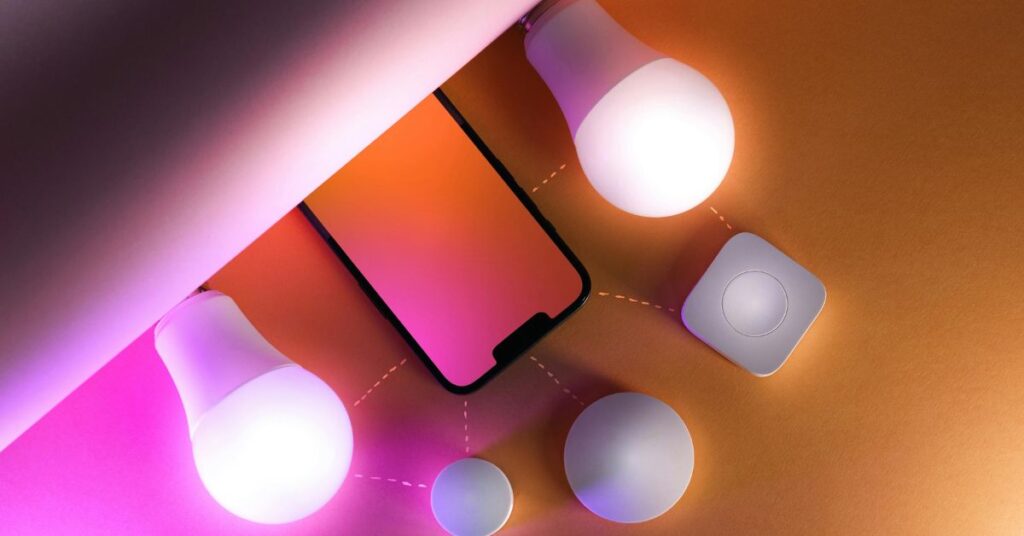
Smart lighting turns ordinary rooms into flexible, comfortable places: wake-up scenes in the bedroom, hands-free arrival lights at the front door, and perfectly dimmed movie evenings. This guide explains everything a new buyer needs to know about smart lights for home — from the basics of bulbs, strips and fixtures to the network choices (hub, hubless, or hybrid), how to avoid compatibility and dimming headaches, energy and lifetime trade-offs, privacy and security, and a step-by-step shopping checklist you can copy to suppliers. I’ll keep things practical and product-oriented: the exact numbers to look for, compatibility questions to ask, and how to test a sample before buying in bulk. If you’re building a smart-lighting setup or upgrading a few lamps, this is the blueprint. Why pick smart lights for home? Smart lights are more than convenience. The right setup: If you’re buying smart lights for home, think in terms of systems and use cases: do you want a handful of app-controlled bulbs or a whole-house, professionally-managed lighting system? Your answer drives hardware, network and budget decisions. Types of smart lights (and where they belong) When shopping for smart lights for home, you’ll encounter several hardware families. Choose the type by use-case and location. Smart bulbs (A19, BR30, GU10) Smart LED strips (flexible, 24V or 12V) Smart downlights & integrated fixtures Smart pendants and decorative fixtures Smart switches & relays (hardwired) Smart plugs Each of these options fits different budgets and technical comfort levels. Many homes combine types (bulbs in lamps + strips in kitchens + hardwired fixtures in main zones) to get the best coverage. Protocols: how smart lights talk (and why it matters) A key part of picking smart lights for home is the control protocol. The main choices are: Wi-Fi (hubless) Bluetooth / Bluetooth Mesh (hubless or with a gateway) Zigbee / Thread / Z-Wave (mesh, requires hub or smart speaker bridge) DALI / 0–10V / KNX (wired, professional) Pro tip: If you plan many devices, prefer mesh (Zigbee/Thread) or wired control; for a few lamps, Wi-Fi or Bluetooth is fine. Whichever protocol you choose, keep it consistent across zones to avoid fragmentation. Hub vs hubless: which should you pick? Hubless (Wi-Fi / Bluetooth) Hub-based (Zigbee / Thread + gateway) Hybrid: many homeowners use a hub (e.g., Zigbee) for fixed lighting and Wi-Fi bulbs for occasional lamps, bridging them via the smart home platform. If you expect to expand beyond a handful of lights, start with a hub-based mesh system to avoid rework. Voice assistants and ecosystems — choose your smart home brain Smart lights usually integrate with voice assistants — choose one primary ecosystem and use devices certified for it. Popular ecosystems include Amazon Alexa, Google Home, and Apple HomeKit; each has strengths (routine support, local execution, privacy model). Pick the primary hub or voice assistant before buying — it helps avoid incompatible devices and duplicate apps. Practical buying checklist for smart lights for home Use these product-oriented criteria when evaluating devices: Copy this checklist into your emails when requesting quotes for smart lights for the home to force suppliers to disclose technical details rather than marketing blur. Installation & network planning (practical advice) When adding smart lighting, plan both electrical and network infrastructure: A thoughtful plan avoids “smart islands” where a few lights are smart but the room still needs manual control. Scenes, automations & useful use-cases Smart lights shine when used with scenes and automations. Some practical examples for smart lights for the home: Design scenes before buying so you can ensure devices support the required behaviours (colour tuning, dimming resolution, delays, triggers). Privacy & security — essential checks Smart devices are networked devices. Minimise risk: Privacy considerations are as important for smart lights for home as they are for cameras and voice assistants. Energy, lifetime & troubleshooting Smart lights are LEDs, so efficiency and lifetime are primarily LED attributes: A smart house will almost always save running energy through schedules and better control — but design your network to avoid excess standby waste. Product recommendations & where to try (brands to explore) When trying smart lights for home, visit showrooms and test real fixtures. Reputable manufacturers to start with include Philips for professional-grade tunable-white systems, IKEA for accessible smart bulbs and affordable integrations, LIFX for powerful Wi-Fi bulbs with good colour, and TP-Link Kasa for practical smart plugs and bulbs. For efficiency guidance and local energy programs, check the advice of the Bureau of Energy Efficiency if you’re in India. (Each of these brands has different ecosystem strengths — test a device model in your home with your hub before committing.) Maintenance & long-term tips Good maintenance prevents flaky behaviour and extends the value of your smart lighting investment. Final checklist — before you buy smart lights for home

Smart Lights for Home: How They Work, What to Buy & Setup Checklist Read More »

Best Colour Temperature for Kitchen

Best Colour Temperature for Kitchen: CCT, CRI & Room Recipes for Perfect Cooking Light

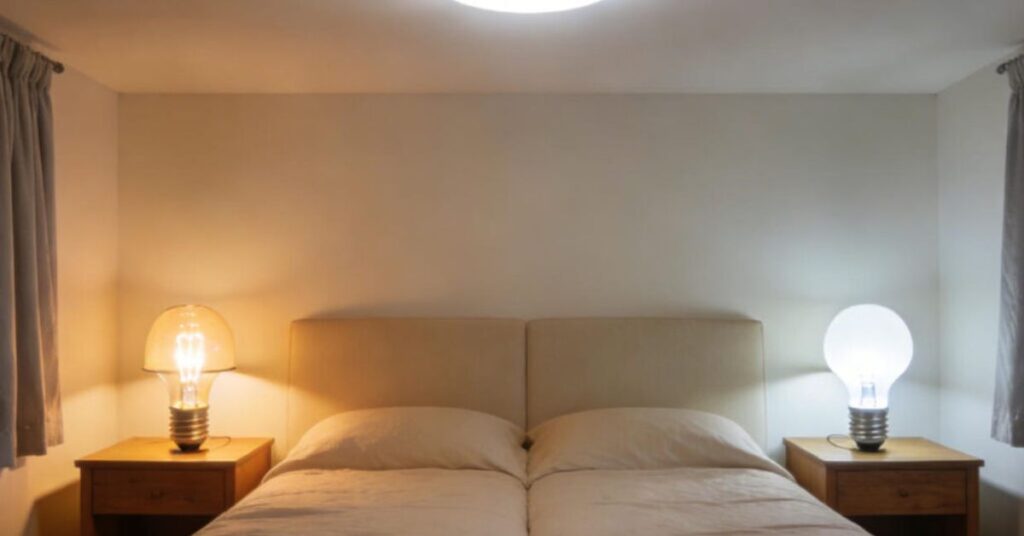
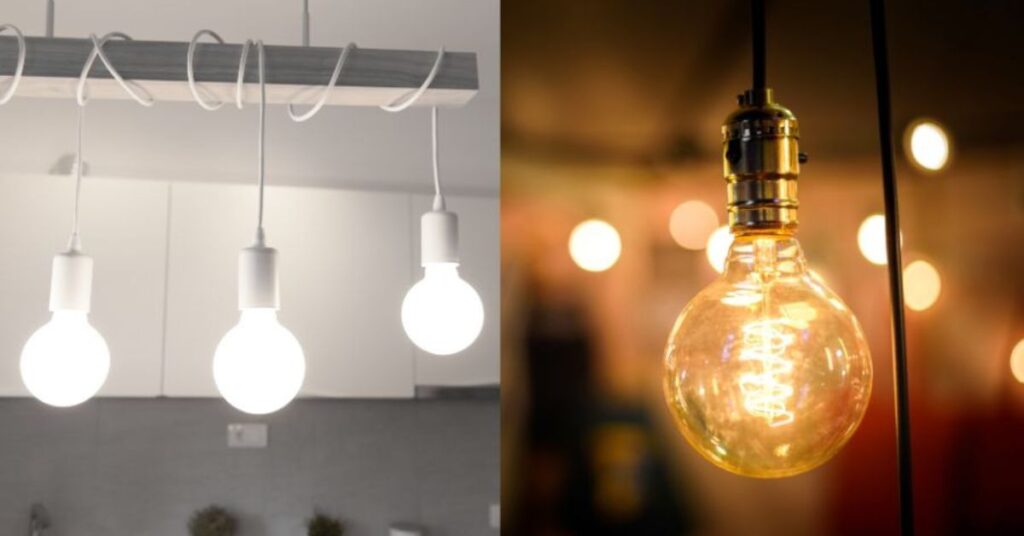
Choosing the best colour temperature for kitchen matters more than you’d think. It affects how food looks, how alert you feel while cooking, and even how clean a kitchen appears. This guide gives new buyers everything practical and product-focused: what Kelvin numbers to pick for ambient vs task zones, what CRI you should insist on, how to size light in lumens and lux (worked examples included), when to use tunable-white, how dimming interacts with color, and what to ask for in quotes so the fixtures you buy do what they promise. Throughout, I’ll use plain language, step-by-step calculations, and RFQ-ready spec lines you can copy into emails to showrooms or contractors. Quick answer — the best colour temperature for the kitchen Repeat the phrase: the best colour temperature for kitchen depends on function — neutral whites (3500K–4000K) are usually best, with warm options for ambience. What colour temperature (CCT) actually means — short primer CCT (Correlated Colour Temperature) is measured in Kelvin (K) and describes the perceived “warmth” or “coolness” of a light source: When deciding the best colour temperature for kitchen, think about task clarity (which prefers cooler/neutral CCT) versus atmosphere (which prefers warmer CCT). CRI — the other half of colour quality (don’t skip this) CRI (Colour Rendering Index) measures colour accuracy from 0–100. For kitchens: If you want your food to look appetizing in photos and in real life, CRI is as important as choosing the best colour temperature for kitchen. Layering CCT by zone — practical room recipes Kitchens are multi-use spaces. The best colour temperature for kitchen is achieved by layering light with appropriate CCTs. 1) Ambient (general) lighting 2) Task lighting (counters, sink, stove) 3) Island/bar & dining in the kitchen 4) Accent & display (open shelving, wine racks) In short, the best colour temperature for kitchen varies across zones, but 3500K neutral is a safe, high-performance anchor for most tasks. Tunable-white and dim-to-warm — flexible solutions If your budget allows, choose tunable-white (CCT adjustable) fixtures or dim-to-warm technology: Tunable solutions are the safest way to guarantee you’re always using the best colour temperature for kitchen for the moment. How bright should the kitchen be? — lux & lumens (step-by-step math) CCT is about colour, and brightness is about lux. For kitchens, aim for 300–500 lux on counters. Worked example (digit-by-digit arithmetic required): Suppose your countertop area is 3.0 m long × 0.6 m deep → area A = 3.0 × 0.6. Calculate A carefully: Choose target lux L = 400 lux for a bright prep surface. Required lumens on plane = A × L = 1.8 × 400. Compute step by step: Adjust for maintenance factor MF ≈ 0.7 to account for fixture losses and dirt: If you want the under-cabinet strip to supply 70% of the task light: 0.70 × 1,029 ≈ compute 1029 × 7 = 7,203 divided by 10 = 720.3 lm — so an under-cabinet run should deliver ~720 lm across that section (choose an LED strip spec in lm/m accordingly). This arithmetic shows how to translate lux targets and CCT choices into actual fixture lumen requirements — an essential step when choosing the best colour temperature for kitchen and the correct light levels. Fixture choices & optics — what to buy Product-oriented guidance: when selecting fixtures for the kitchen, pair CCT with optics and CRI: Ask suppliers for the delivered lumens at beam angle — not just total lumens — to ensure the light hits the countertop as designed. IP ratings & safety zones (kitchen wet areas) Kitchens have wet/splash zones. Use IP-rated fixtures where required: Make IP and heat-resistance part of your spec when asking about the best colour temperature for kitchen fixtures that survive the environment longer. Dimming & controls — keep colour consistent when dimming Dimming can shift perceived colour unless you use dim-to-warm or tunable white. Tips: Add dimmer compatibility to your RFQ: mismatched dimmers are a frequent reason a kitchen light doesn’t feel right after installation. Buying checklist — product-oriented spec sheet (copy-paste) Use this when emailing suppliers to demand the right data for the best colour temperature for kitchen: Supply LED under-cabinet strip: 24V DC, 1,200 lm/m delivered, 3500K, CRI ≥ 90, IP20 (for dry mount) or IP65 (embedded in splashback), dimmable via 0–10V/DALI, flicker <5%, L70 ≥ 50,000 hrs, provide lm/m photometric data and sample cut length. Include aluminum channel and diffuser. Supply recessed downlights: 9W nominal, 900 lm delivered, 3000–3500K selectable, CRI ≥ 90, beam 36°, UGR <19, dimmable (triac & 0–10V), driver accessible in ceiling void, provide IES files. These RFQ lines turn the vague question of “best colour temperature for kitchen” into a measurable procurement spec. Installation tips & maintenance in kitchen environments Good installation practice ensures the best colour temperature for kitchen stays consistent over time. Where to try fixtures and trusted references Test samples in person. Manufacturer showrooms and lighting stores let you see CCT and CRI side by side. For reliable product data, check established manufacturers and local energy guidance: Visit showrooms and bring sample materials (paint, countertops) to compare how different CCTs render your actual finishes. Common buyer mistakes — and how to avoid them Avoid these, and you’ll get both function and form from the best colour temperature for kitchen choices. Final checklist — pick the right CCT and fixtures for your kitchen Answer these, and you’ll reliably pick the best colour temperature for kitchen in your home.

Best Colour Temperature for Kitchen: CCT, CRI & Room Recipes for Perfect Cooking Light Read More »

Dimmable LED Lights

Dimmable LED Lights: The Complete Buyer’s Guide (Practical, Product-Focused & Safe)

If you want to know everything a new buyer needs to choose dimmable LED lights, you’re in the right place. This guide is written for people who want real, usable advice — not marketing fluff. It explains how dimmable LED lights work, the different dimming methods (triac/phase-cut, 0–10V, DALI, PWM, mesh), how to match dimmers and drivers, installation steps, detailed troubleshooting, product specs to demand, energy & lifetime math, and copy-paste RFQ lines you can send to suppliers. I’ll also show exactly how to test and verify a sample before you buy in bulk, so you never end up with buzzing, flickering, or limited dimming range. Throughout, I’ll be product-oriented: what numbers to compare, what to ask for from manufacturers, and what to include on quotes — all in plain English. Quick summary — the 30-second answer If you only read one thing about dimmable LED lights, remember: Now let’s unpack how to do all of that — carefully and completely. How dimmable LED lights actually work (plain explanation) LEDs are semiconductors that run on DC. A dimmable LED light contains (or is paired with) a driver that converts AC mains to a controlled DC and regulates output. Dimming happens in one of two ways: When the dimmer and the driver don’t “speak the same language”, you get flicker, buzzing, or restricted dim range. That’s why dimmable LED lights need careful specification. Dimming protocols — what they are and when to use them Below are the major dimming methods you will encounter when buying dimmable LED lights, and when each is appropriate. Trailing-edge (ELV) and leading-edge (Triac / phase-cut) 0–10V (analogue) DALI / DALI-2 (digital addressable lighting interface) PWM (Pulse Width Modulation) Wireless mesh (Zigbee, Bluetooth Mesh, Thread) Product specs to demand when buying dimmable LED lights Ask for these numbers. If a supplier can’t provide them, walk away. These data points transform a vague product listing into a usable spec pack for dimmable LED lights. How to choose the right dimmer for your dimmable LED lights Match the dimmer to the driver and the use case: Always request a dimmer compatibility list from the lamp/driver manufacturer and test one sample before bulk buying. Wiring and installation tips (safety first) If you’re not confident with mains wiring, always hire a licensed electrician. How to test a dimmable LED lights setup before bulk buying Testing one sample in situ is the most important step to avoid post-purchase grief: This test will protect you from the most common failures with dimmable LED lights. Troubleshooting common problems with dimmable LED lights Here are typical issues and how to fix them: Flicker or strobe Buzzing sound from the dimmer Limited dimming range (can’t go to very low light) Uneven brightness across the group Smart bulbs dropping off the network Energy & lifetime math for dimmable LED lights Dimming saves energy — here’s a practical example with careful calculation. Scenario: Replace a 50W halogen with a 10W dimmable LED (equivalent light), run 4 hours/day, electricity cost ₹10/kWh. If dimming reduces average luminous output by 30% during the evening scenes, savings increase — dimming multiplies the efficiency advantage of LEDs. Buying checklist & RFQ text you can use right now Copy this into supplier emails when sourcing dimmable LED lights: RFQ — Dimmable LED Downlights (example) Supply 20 × recessed downlights, 900 lm each, 3000K, CRI ≥ 90, efficacy ≥ 90 lm/W, dimmable (triac & 0–10V), flicker <5% (provide test report), L70 ≥ 50,000 hrs, driver replaceable in ceiling void, compatible dimmer list included. Provide IES files, installation quote, warranty terms, and lead time. Use this to get precise, comparable quotes and to force vendors to disclose compatibility and flicker data. Maintenance, spares & long-term tips A small spares policy avoids disruptive downtime for dimmable LED lights. Where to try models and whom to trust For reliable product data and showroom testing, start with reputable lighting manufacturers and suppliers. Examples to visit or research include Philips for professional-grade LED modules and technical datasheets, and IKEA for approachable smart options and lamp formats. For drivers and power supplies, consider vendors like Mean Well. If you’re in India and want energy labeling and efficiency guidance, consult the Bureau of Energy Efficiency. (See fixtures lit at scale in the showroom and request a live dimming demo with your preferred dimmer type.) Frequently asked questions Q: Are all LED lights dimmable? A: No. Only LED lights labeled “dimmable” with the appropriate driver and protocol support will dim correctly. Always check specs. Q: Can I use smart bulbs and wall dimmers together? A: Not recommended. Smart bulbs expect the switch to remain on; a mechanical wall dimmer may cut power and break the bulb’s network. Use smart switches or keep switches always on for smart bulbs. Q: What’s the safest dimming system for a mixed home? A: For mixed homes with new wiring, DALI or DALI-2 offers the most predictable, high-quality dimming across many dimmable LED lights. Final checklist — buy with confidence Follow this checklist, and you’ll avoid the classic dimming headaches. Closing Dimmable LED lights are flexible, efficient, and essential for modern living — but good dimming requires the right combination of drivers, dimmers, and installation practice. Demand measurable specs (lumens, flicker, dimmer compatibility), test a real sample in your home, and choose a control protocol that fits your long-term plans.

Dimmable LED Lights: The Complete Buyer’s Guide (Practical, Product-Focused & Safe) Read More »