
Smart Lights for Home: How They Work, What to Buy & Setup Checklist
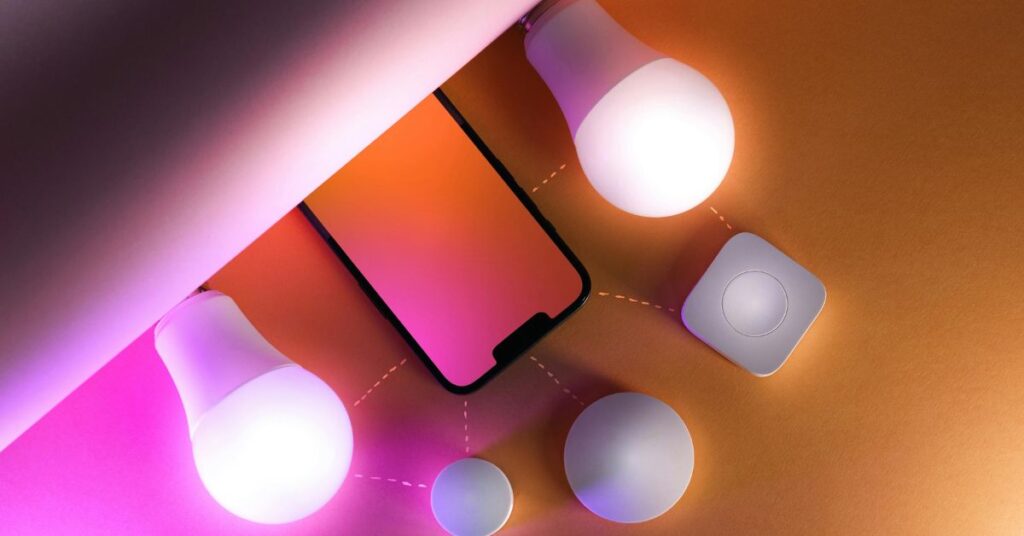
Smart lighting turns ordinary rooms into flexible, comfortable places: wake-up scenes in the bedroom, hands-free arrival lights at the front door, and perfectly dimmed movie evenings. This guide explains everything a new buyer needs to know about smart lights for home — from the basics of bulbs, strips and fixtures to the network choices (hub, hubless, or hybrid), how to avoid compatibility and dimming headaches, energy and lifetime trade-offs, privacy and security, and a step-by-step shopping checklist you can copy to suppliers. I’ll keep things practical and product-oriented: the exact numbers to look for, compatibility questions to ask, and how to test a sample before buying in bulk. If you’re building a smart-lighting setup or upgrading a few lamps, this is the blueprint. Why pick smart lights for home? Smart lights are more than convenience. The right setup: If you’re buying smart lights for home, think in terms of systems and use cases: do you want a handful of app-controlled bulbs or a whole-house, professionally-managed lighting system? Your answer drives hardware, network and budget decisions. Types of smart lights (and where they belong) When shopping for smart lights for home, you’ll encounter several hardware families. Choose the type by use-case and location. Smart bulbs (A19, BR30, GU10) Smart LED strips (flexible, 24V or 12V) Smart downlights & integrated fixtures Smart pendants and decorative fixtures Smart switches & relays (hardwired) Smart plugs Each of these options fits different budgets and technical comfort levels. Many homes combine types (bulbs in lamps + strips in kitchens + hardwired fixtures in main zones) to get the best coverage. Protocols: how smart lights talk (and why it matters) A key part of picking smart lights for home is the control protocol. The main choices are: Wi-Fi (hubless) Bluetooth / Bluetooth Mesh (hubless or with a gateway) Zigbee / Thread / Z-Wave (mesh, requires hub or smart speaker bridge) DALI / 0–10V / KNX (wired, professional) Pro tip: If you plan many devices, prefer mesh (Zigbee/Thread) or wired control; for a few lamps, Wi-Fi or Bluetooth is fine. Whichever protocol you choose, keep it consistent across zones to avoid fragmentation. Hub vs hubless: which should you pick? Hubless (Wi-Fi / Bluetooth) Hub-based (Zigbee / Thread + gateway) Hybrid: many homeowners use a hub (e.g., Zigbee) for fixed lighting and Wi-Fi bulbs for occasional lamps, bridging them via the smart home platform. If you expect to expand beyond a handful of lights, start with a hub-based mesh system to avoid rework. Voice assistants and ecosystems — choose your smart home brain Smart lights usually integrate with voice assistants — choose one primary ecosystem and use devices certified for it. Popular ecosystems include Amazon Alexa, Google Home, and Apple HomeKit; each has strengths (routine support, local execution, privacy model). Pick the primary hub or voice assistant before buying — it helps avoid incompatible devices and duplicate apps. Practical buying checklist for smart lights for home Use these product-oriented criteria when evaluating devices: Copy this checklist into your emails when requesting quotes for smart lights for the home to force suppliers to disclose technical details rather than marketing blur. Installation & network planning (practical advice) When adding smart lighting, plan both electrical and network infrastructure: A thoughtful plan avoids “smart islands” where a few lights are smart but the room still needs manual control. Scenes, automations & useful use-cases Smart lights shine when used with scenes and automations. Some practical examples for smart lights for the home: Design scenes before buying so you can ensure devices support the required behaviours (colour tuning, dimming resolution, delays, triggers). Privacy & security — essential checks Smart devices are networked devices. Minimise risk: Privacy considerations are as important for smart lights for home as they are for cameras and voice assistants. Energy, lifetime & troubleshooting Smart lights are LEDs, so efficiency and lifetime are primarily LED attributes: A smart house will almost always save running energy through schedules and better control — but design your network to avoid excess standby waste. Product recommendations & where to try (brands to explore) When trying smart lights for home, visit showrooms and test real fixtures. Reputable manufacturers to start with include Philips for professional-grade tunable-white systems, IKEA for accessible smart bulbs and affordable integrations, LIFX for powerful Wi-Fi bulbs with good colour, and TP-Link Kasa for practical smart plugs and bulbs. For efficiency guidance and local energy programs, check the advice of the Bureau of Energy Efficiency if you’re in India. (Each of these brands has different ecosystem strengths — test a device model in your home with your hub before committing.) Maintenance & long-term tips Good maintenance prevents flaky behaviour and extends the value of your smart lighting investment. Final checklist — before you buy smart lights for home
Smart Lights for Home: How They Work, What to Buy & Setup Checklist Read More »