
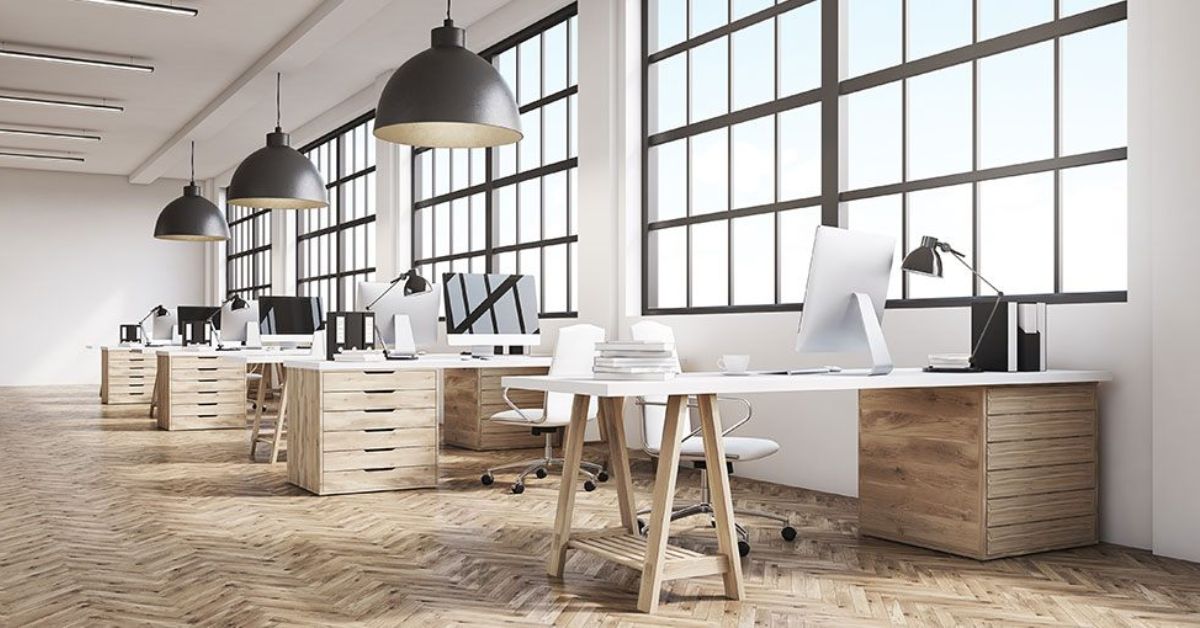
If you’re searching for Lighting Solutions in Delhi, you need clear, practical guidance — not vague marketing copy. Delhi’s mix of apartments, showrooms, offices, restaurants and outdoor spaces creates diverse lighting needs: energy-efficient LEDs for long operating hours, high-CRI fixtures for retail, IP-rated products for balconies and façades, and smart controls for public projects and commercial buildings. This guide walks a new buyer through everything: product types, key specifications, where to source goods in Delhi, installation and maintenance best practices, energy & cost calculations, and a ready-to-use procurement checklist. Use this as your one-stop primer before you request quotations or order fixtures.
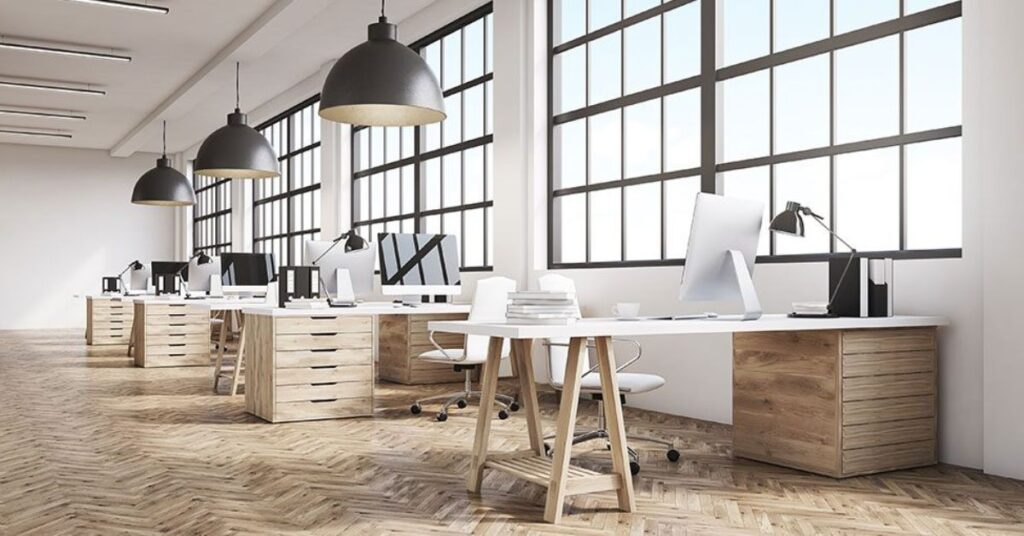
Why focus on Lighting Solutions in Delhi?
Delhi presents specific opportunities and constraints that shape smart lighting decisions:
- High operating hours for many commercial spaces make Lighting Solutions in Delhi hugely impactful on energy bills.
- Urban pollution and seasonal monsoon humidity create an added need for IP-rated fixtures and durable finishes.
- Rapid retail churn and frequent refits benefit flexible, modular and track-based lighting systems.
- The city government has been upgrading public lighting to smart LEDs — showing how public and private projects increasingly rely on connected Lighting Solutions in Delhi.
Buying the right lighting solutions in Delhi reduces energy costs, improves comfort and performance, and lowers maintenance downtime — all of which matter whether you run a café in Connaught Place or manage a warehouse in Dwarka.
Common categories of Lighting Solutions in Delhi
When you search “Lighting Solutions in Delhi”, vendors usually group products into practical buckets. Know these categories before you ask for quotes:
- LED Downlights & Recessed Lights — built-in ambient lighting for apartments, offices and showrooms. Great for clean ceilings and layered lighting plans.
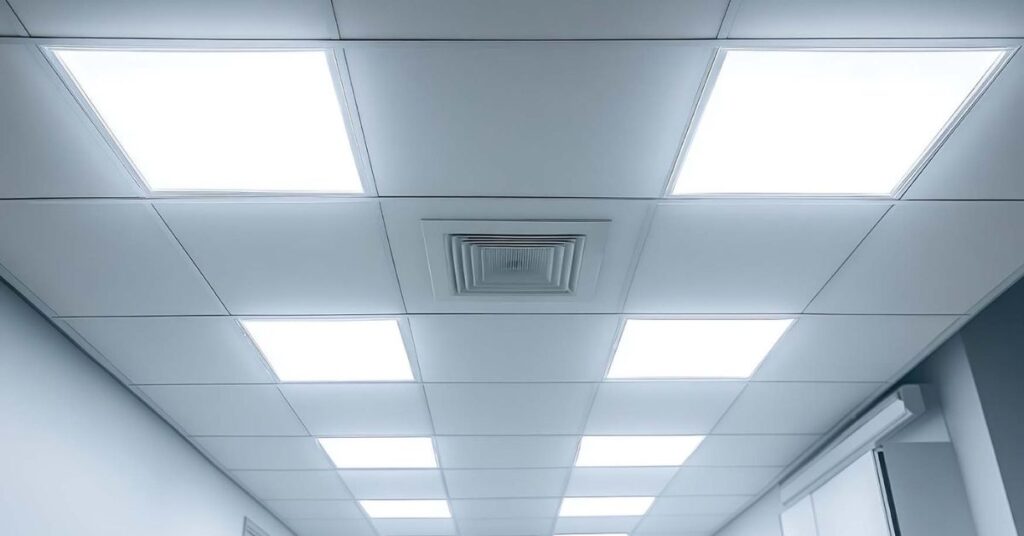
- LED Panels & Troffers — common for office grids and retail ceilings; even, glare-controlled light.
- Linear & Cove Lighting (Built-in) — for corridors, reception areas, and architectural accents.
- Track & Spot Lighting (Modular Systems) — flexible for retail showrooms and galleries where accenting products matters.
- Highbay & Industrial Lighting — for warehouses and factories requiring high lumen outputs.
- Floodlights & Façade Lighting — for outdoor areas, car parks, security and aesthetics. IP65+ recommended for Delhi outdoor environments.
- Street & Road Lighting (Smart / Municipal Contracts) — city-scale LED projects with remote monitoring. Delhi is actively replacing old sodium lights with smart LEDs.
- Decorative & Pendant Lighting — chandeliers, designer pendants and statement pieces for hospitality and homes.
- Controls & Sensors — DALI, 0–10V, wireless Bluetooth/Zigbee, daylight harvesting and occupancy sensors. Controls unlock additional energy savings across most Lighting Solutions in Delhi.
Key technical specs every buyer must check
Don’t buy by wattage alone. When comparing Lighting Solutions in Delhi, prioritise these datasheet items:
- Delivered lumens: How much usable light comes from the fixture. Ask suppliers for delivered lumens, not just wattage.
- Luminous efficacy (lm/W): Higher lm/W means more light per unit of electricity — essential for long-hours commercial use.
- CCT (Kelvin): 2700–3000K warm, 3500–4200K neutral, 5000–6500K cool — pick per space function.
- CRI (Ra): For retail and showrooms, choose CRI ≥ 90; general areas can use CRI ≥ 80.
- Beam angle & optic type: Determines spread and intensity — critical for accenting vs ambient tasks.
- IP & IK ratings: For exposed areas or dusty environments, choose IP65 or better. Dust-proofing matters in many Delhi districts.
- Driver & surge protection: Branded SMPS drivers with thermal and surge protection reduce failures in patchy grid conditions.
- Lumen maintenance (L70) and warranty: Request L70 data and separate warranty terms for LEDs and drivers.
- Test reports: LM-79 photometric files and LM-80 LED reports increase confidence in long-term performance.
Always ask for IES/LDT photometric files for fixtures intended for critical areas — layouts from those files show lux levels and uniformity, not just claim numbers.
How to pick the right lighting solution for your space
Here’s a practical approach for common spaces in Delhi:
- Homes & Apartments: Focus on warm-to-neutral CCTs (2700–3500K), recessed downlights, cove lighting, and dimmable drivers for ambience. Use high CRI for kitchens and display areas.
- Retail & Showrooms: Choose high-CRI adjustable spots and linear accent lighting; deploy layered systems (ambient + accent + decorative) to highlight product materials and textures. Consider modular track systems for frequent display changes.
- Offices & Co-working: Opt for glare-controlled panels or linear continuous fittings (3500–4000K), flicker-free drivers and DALI or Bluetooth lighting control for zone scheduling.
- Warehouses & Industries: Use high-bay LED fixtures with robust thermal design and IP65-rated housings for dusty zones; high lumen outputs and narrow reflectors for racking aisles.
- Hospitality & Restaurants: Mix warm pendants, wall washers and recessed downlights; choose dimming curves that preserve mood. Decorative fixtures can be focal points.
- Street, Campus & Public Spaces: Use certified municipal-grade luminaires with smart-control capability for remote monitoring and fault detection. Delhi has city programs upgrading streetlights to centrally monitored LEDs.
Installation and practical site considerations in Delhi
A good product still needs correct installation. For Lighting Solutions in Delhi, you should insist on:
- Professional site survey: Suppliers should provide a site visit, photometric layout and a sample installation before full supply.
- Proper earthing & surge protection: Delhi’s grid can be noisy; SPDs at distribution panels protect drivers.
- Ceiling and cavity checks: For recessed and built-in fixtures, confirm plenum depths and IC (insulation contact) ratings so heat isn’t trapped.
- Waterproofing for outdoor fixtures: Use IP65+ fixtures for open soffits, terraces and canopies to survive monsoon exposure.
- Accessibility for maintenance: Choose driver locations that are serviceable from false ceiling access or accessible panels to avoid opening roofs later.
- Certification & safety: Ensure compliance with local building and electrical codes; for public projects, follow municipal procurement and testing rules.
For time-pressed installations, modular systems and pre-wired runs shorten on-site labour — a useful option for retail rollouts and renovations.
Energy savings, controls and ROI
One reason buyers search for “Lighting Solutions in Delhi” is to cut electricity bills. Here’s a simple, step-by-step worked example you can reuse to estimate savings and payback.
Assumptions:
- Old fixture: 150 W metal halide (0.150 kW) per site luminaire.
- New LED solution: 60 W LED (0.060 kW) delivering equivalent lumens due to better efficacy.
- Operating hours: 10 hours/day.
- Electricity cost: ₹10/kWh (use your actual tariff).
- Number of fixtures: 20.
Calculations:
- Old daily energy per fixture = 0.150 kW × 10 h = 1.500 kWh.
- New daily energy per fixture = 0.060 kW × 10 h = 0.600 kWh.
- Daily saving per fixture = 1.500 − 0.600 = 0.900 kWh.
- Annual saving per fixture = 0.900 kWh/day × 365 = 328.500 kWh.
- Annual monetary saving per fixture = 328.500 kWh × ₹10/kWh = ₹3,285.00.
- For 20 fixtures total annual saving = ₹3,285 × 20 = ₹65,700.00.
This excludes reduced maintenance and lamp replacement costs, which can add substantially to lifetime savings for fixtures running many hours per year. Controls (dimming, occupancy sensors, scheduling) can further lower run-hours and accelerate payback across most Lighting Solutions in Delhi.
Local projects & public initiatives — what they mean for buyers
Delhi’s municipal and public works initiatives increasingly favour LED retrofits and smart streetlighting. For example, the city has started large-scale replacements of sodium streetlights with centrally monitored LED luminaires, demonstrating the scale and maturity of smart lighting projects in the region. These initiatives raise local supplier capabilities in areas such as remote monitoring, fault reporting, and municipal-grade specifications — good news for commercial buyers who need reliable, monitored lighting systems.
Installation mistakes to avoid
New buyers of Lighting Solutions in Delhi often repeat avoidable mistakes:
- Buying only on price: Low-cost fixtures may save up-front, but fail early due to cheap drivers and poor thermal design.
- Ignoring photometry: Don’t assume watts translate to usable light — ask for IES files to check lux and uniformity.
- Mixing colour temperatures: Order batches together to avoid visible CCT mismatches in a room.
- Neglecting surge protection: Skipping SPDs is a common cause of driver failures in urban Indian conditions.
- Underestimating maintenance access: Plan driver and connector access during initial design.
Avoiding these pitfalls saves money and time for almost every Lighting Solutions in Delhi buyer.
Maintenance & lifecycle management
Good lifecycle planning extends performance and reduces unexpected downtime:
- Scheduled cleaning: Dust and pollution can cut light output — schedule cleaning cycles for exterior and interior fixtures.
- Spare parts kit: For large installs, keep spare drivers and modules (same batch/CCT) on hand.
- Monitor critical circuits: For important applications (retail floors, production lines), integrate fault monitoring or periodic photometric testing.
- Service agreements: Consider annual maintenance contracts with local dealers for priority support.
These steps are standard practice for serious adopters of Lighting Solutions in Delhi.
Procurement checklist — paste this into your RFQ
Use this checklist to standardise bids and compare suppliers:
- Exact product name and SKU.
- Delivered lumens per fixture.
- Luminous efficacy (lm/W).
- CCT (Kelvin) and CRI value.
- Beam angle, lens/optic type and photometric IES/LDT files.
- IP/IK rating where applicable.
- Driver brand, dimming protocol (DALI / 0–10V / Trailing edge / PWM).
- Surge protection and thermal management details.
- L70 / LM-80 test reports or equivalent reliability data.
- Warranty terms for modules and drivers (years).
- Service response time in Delhi/NCR and spare part availability.
- Sample unit for on-site approval before bulk delivery.
- Installation scope (supply-only vs turnkey) and commissioning details.
Provide the same checklist to all bidders to ensure apples-to-apples comparisons of Lighting Solutions in Delhi proposals.
Frequently Asked Questions (FAQ)
Q: How long do LEDs last in Delhi’s climate?
A: With good thermal design and quality drivers, LEDs commonly reach L70 lifetimes of 50,000 hours or more. Outdoor fixtures must have correct IP protection to avoid moisture and dust-related failures.
Q: Should I retrofit or replace entire fixtures?
A: It depends — retrofit kits are faster and cheaper, but may not solve poor thermal or optical issues. For long-term performance, replacing with a well-designed LED fixture is often the safer investment.
Q: Are smart controls worth the cost?
A: Yes, for many commercial applications — DALI or wireless controls reduce energy use and let you schedule and monitor fixtures across multiple zones, improving ROI on Lighting Solutions in Delhi projects.