Lights

Modular Lighting in Delhi

Modular Lighting in Delhi – Upgrade Smarter, Not Harder

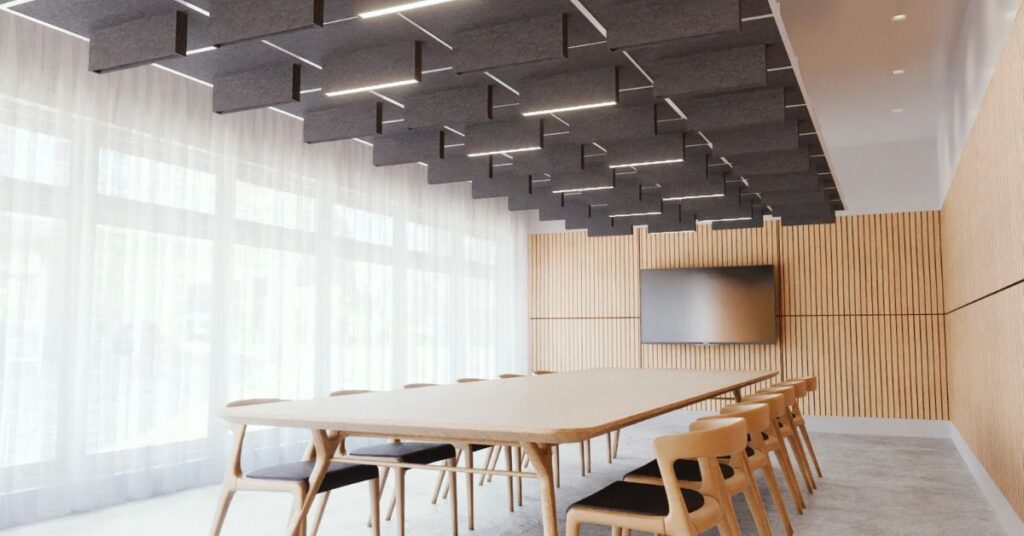
Why Modular Lighting Matters for Delhi Projects Suppose you’re searching for Modular Lighting in Delhi. In that case, you’re likely planning a retail fit-out, an office upgrade, a hospitality space, a showroom, or a modern home where flexibility, maintenance, and visual control matter. Modular lighting replaces monolithic fixtures with configurable, replaceable modules — allowing you to change the length, add spot modules, swap color temperatures, or upgrade optics without removing the entire luminaire. This makes modular systems ideal for Delhi’s evolving commercial and residential spaces. In this guide, you’ll find: what modular lighting is, the main product types, technical specs to insist on, installation and maintenance best practices for Delhi climate and building stock, ROI math you can use in procurement, and tips on where to source or what to ask suppliers. Read on — or jump to the section you need. What is Modular Lighting? Modular lighting is a lighting approach built from standardized, interchangeable modules (light engines, optics, drivers, and profiles) that can be assembled, reconfigured, repaired, or upgraded with minimal effort. Think of it as a building-block system for light: linear segments, spot modules, diffusers, and connectors snap together to create continuous lines, islands, or track systems. The main idea is flexibility and longevity: replace one part, not the whole fixture. Why Buyers in Delhi Should Consider Modular Lighting Modular lighting offers advantages that map directly to real buyer needs in Delhi: These benefits make Modular Lighting in Delhi especially attractive for developers, retailers, and offices where change is frequent and downtime is expensive. Main Product Types When buyers search for Modular Lighting in Delhi, they usually mean one or more of the following product families: Key Components Explained If you’re evaluating quotes for Modular Lighting in Delhi, learn these component names: Technical Specs Every Buyer Must Check When procuring Modular Lighting in Delhi, don’t be distracted by only wattage. Focus on output, quality, and longevity. Choosing the Right System for Typical Delhi Applications Here are practical recommendations when specifying Modular Lighting in Delhi: Installation & Retrofitting — What to Expect on Site One major selling point of Modular Lighting in Delhi is reduced onsite labor if systems are pre-configured: Maintenance, Spares & Warranties — plan for the lifecycle Good modular strategies include a spare strategy: keep a small inventory of spare modules and drivers on site. Benefits: Controls, Smart Integration & Energy Savings Modern Modular Lighting in Delhi systems often integrate controls: Cost & ROI — a simple worked example Below is a conservative example calculation that new buyers can use to estimate savings when switching to modular LED modules. Assumptions (example): Step-by-step energy math for one fixture (digit-by-digit): Scale to 20 fixtures: 7. Annual saving for 20 fixtures: ₹2,190 × 20 = ₹43,800/year. This example excludes maintenance savings (fewer lamp changes, fewer down-times), and assumes comparable light output — always confirm delivered lumens or run a photometric layout. Use the same step-by-step approach with your specific wattages, hours, and local tariff to estimate payback. (If Delhi tariff differs for your category, substitute the correct ₹/kWh.) Comparing Vendors & What to Ask (the supplier checklist) When requesting quotes for Modular Lighting in Delhi, use this checklist: Who Makes Modular Lighting in India India now has several established lighting brands and distributors that offer modular solutions and local service in Delhi/NCR. Global brands also have authorized distributors and offices in India. When sourcing Modular Lighting in Delhi, consider established players who offer test reports, configurators, and local service. Examples of vendors and brands to evaluate include well-known lighting companies that serve Indian commercial projects. Common Mistakes New Buyers Make — and how to avoid them Sustainability & Lifecycle Advantages Modular designs support circular economy principles: component replacement and upgrades reduce waste, and modular upgrades extend usable life. Many suppliers now offer programs for end-of-life takeback or recycling of electronics — ask about e-waste handling when buying Modular Lighting in Delhi. Sample Specification Template (copy-paste for RFPs) You can use this short spec when requesting quotes:

Modular Lighting in Delhi – Upgrade Smarter, Not Harder Read More »

Laser Blade Lights in Delhi

Laser Blade Lights Delhi – Transform Your Ceiling with Sleek, Razor-Thin Lighting

Laser blade lights are ultra-slim linear luminaires used to create razor-thin lines of light for ceilings, coves, façades, and accents. This guide explains the types (recessed, surface, suspended, and outdoor), critical specifications (lumens/m /m, beam, CRI, and driver), Delhi-specific buying tips (dust, heat, and power spikes), installation, and maintenance, so buyers — including architects, contractors, and homeowners — can specify correctly. 1. Why Laser Blade Lights are trending in Delhi Minimal, precise, and visually striking — laser blade lights (also called blade lights, razor-edge linear fixtures, or ultra-slim linear LEDs) have become a go-to element for modern interiors and architectural façades. They create clean lines of illumination that define geometry, highlight transitions, and produce dramatic backlit effects without visible hardware. In Delhi, where contemporary retail, hospitality, and premium residences demand elegant lighting solutions, laser blade lights deliver a big aesthetic impact in a small form factor. But choosing the right blade light is more than picking a thin profile. Thermal performance, driver quality, optics, IP rating, and installation details determine whether your razor line remains uniform, glare-free, and durable in Delhi’s dusty, hot environment. This guide covers everything a new buyer needs — from technical specs and design use-cases to installation checklists, maintenance, and local purchasing tips. 2. What are Laser Blade Lights? Laser blade lights are linear LED luminaires characterized by extremely narrow visible profiles — sometimes just a few millimetres of sightline — that emit either direct light (downwards) or indirect light (backlit into a ceiling/wall slot). They are designed to create continuous linear illuminance with minimal visible housing. Common implementations include: Their hallmark is a crisp, uninterrupted line of light suitable for modern architectural language. 3. Types & styles Recessed trimless blade Surface-mounted mini blade Suspended laser blade Backlit cove blade Outdoor façade blade Pixel or RGB/RGBW blade Flexible/segmented blades 4. Technical specs explained — what actually matters Buying laser blade lights requires attention to specific metrics — here’s what each means and a recommended range for Delhi projects. Visible sightline (mm) Lumens per metre (lm/m) Efficacy (lm/W) Beam control & optics CCT — Correlated Colour Temperature (K) CRI / TM-30 Bin matching & colour consistency Driver type & dimming Power factor (PF) & THD Thermal management Lifetime & LM figures IP rating & sealing IK rating & mechanical robustness Mounting tolerances & slot dimensions Certifications & warranty Surge protection & voltage tolerance 5. Design & application use-cases Perimeter ceiling slots — creates floating ceilings with crisp light lines; ideal for high-end living rooms, hotel lobbies. Feature lines & reveals — used as visual dividers, marking circulation paths, or highlighting architectural joints. Retail gondolas & display trims — razor lines over shelving deliver clean product separation. Worktops & desks (suspended) — thin suspended blades over benches provide minimal visual clutter with task illumination. Façade edge lighting — narrow blades to accent horizontal/vertical joints, cornices, or parapets on commercial buildings (use outdoor-rated fixtures). Backlit signage & cove indirect — blades recessed into coves for soft ambient glow without visible source. Dynamic façades/pixel installations (RGB or pixel-addressable) — create moving patterns or branding effects on exteriors and stages. Typical lux guidelines (examples): 6. Buying guide for Delhi — practical checklist 1. Environment & durability 2. Thermal & power considerations 3. Samples & mockups 4. Controls & integration 5. Service & spares 6. Budget tiers 7. Documentation 7. Installation & mounting Recessed laser blade (trimless) Surface-mounted mini blade Suspended blades Outdoor façade blades Wiring & safety 8. Maintenance, troubleshooting & warranty Cleaning: Dust builds quickly in Delhi — monthly light dusting and quarterly soft wash for diffusers. Use microfiber and mild detergent; avoid solvents that could haze diffusers. Maintenance checks: Annual driver temperature checks, visual colour uniformity inspection, and secure fastener verification for suspended runs. Troubleshooting: Spares & documentation: Keep spare drivers and 1–2 spare linear sections. Maintain installation maps showing driver locations and segment IDs. Keep invoices, IES files, and serial numbers for warranty claims. 9. FAQs Q1: How thin can a laser blade light be? A: Visible sightlines commonly range from ~2 mm to 12 mm. Ultra-thin “laser” looks are 2–6 mm but need careful optics and high-density LEDs. Q2: Can blade lights be used outdoors in Delhi? A: Yes — choose IP65/66 rated outdoor blades, stainless fixings, sealed glands, and surge protection for driver circuits. Q3: Why do long runs sometimes show colour banding? A: Colour banding occurs from mixed LED bins, different batches, or inconsistent drivers. Specify bin-matched LEDs and buy runs from the same production batch. Q4: Are laser blade lights dimmable? A: Yes, with compatible drivers. For commercial installs, use DALI/DALI-2 for best control. Q5: How do I avoid seeing LED dots? A: Use high-density LED modules plus continuous diffusers (micro-prismatic or opal) and correct spacing to create a uniform line. Q6: What is the typical lead time for custom blades? A: Varies by manufacturer and finish; custom lengths, finishes, and IP ratings add to lead times. Always confirm before project scheduling. Q7: How long do these lights last? A: Quality LED engines with proper thermal design achieve 50,000+ hours (L80/L70 ratings). Driver life is a common limiting factor. Q8: What should I ask my supplier in Delhi? A: Ask for IES files, LM-80/79 data, bin codes, driver spec (PF/THD), IP/IK ratings, warranty split, local service, and sample/mockup. 10. Conclusion & Call to Action Laser blade lights deliver a refined, modern aesthetic with powerful design flexibility — from razor-thin ceiling slots to dramatic façade accents. For success in Delhi, prioritize proper thermal design, high-quality drivers, bin-matched LEDs, and IP/IK ratings where needed. Want to test a real sample or get on-site photometric mockups? Visit Agarsain Bath & Lights (The Lantern) for product samples, IES files, and professional lighting consultation — or request an on-site demo today.

Laser Blade Lights Delhi – Transform Your Ceiling with Sleek, Razor-Thin Lighting Read More »

LED Ceiling Lights in Delhi

Don’t Buy LED Ceiling Lights Delhi Until You Read This Complete Buyer’s Guide

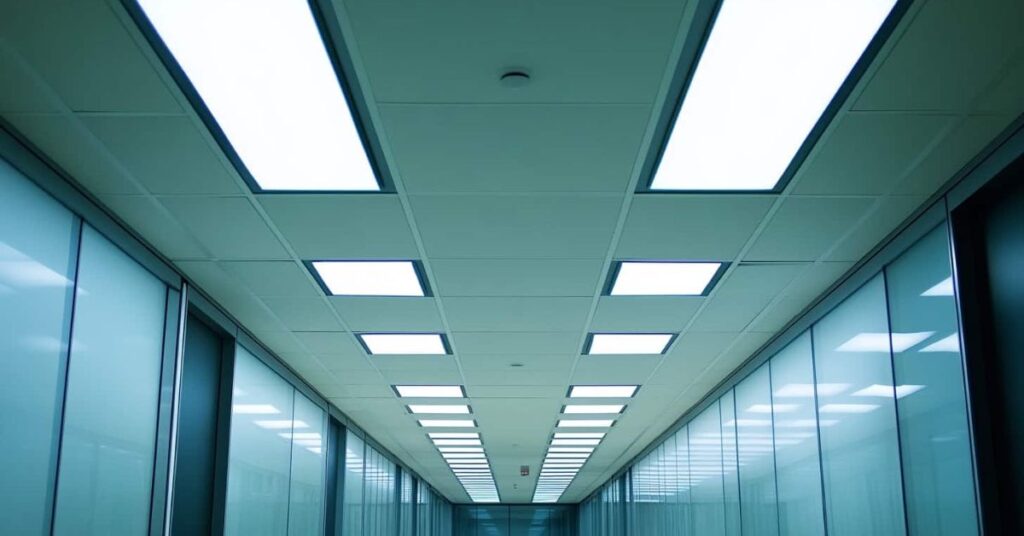
LED ceiling lights provide efficient, uniform illumination for homes, offices, and commercial spaces. This guide explains types (recessed panels, downlights, surface-mounted, decorative), technical specs (lumens, CCT, CRI, PF), Delhi-specific buying tips (dust, heat, surge protection), installation basics, maintenance, warranty, and a buyer checklist so you can pick the right fixtures without extra research. 1. Why LED ceiling lights matter in Delhi LED ceiling lights are the backbone of modern interior lighting — they deliver energy-efficient, long-lasting illumination with clean aesthetics and flexible control options. In Delhi, where residential, retail, and office spaces demand both visual comfort and lower electricity bills, choosing the right LED ceiling fixture can enhance ambience, reduce operating costs, and simplify maintenance. This guide from Agarsain Bath & Lights — The Lantern is a one-stop resource for anyone in Delhi thinking about LED ceiling lights: architects, interior designers, contractors, store owners, and homeowners. You’ll learn the different product types and where each fits best, the technical specs that actually matter (and the ranges to aim for), installation scenarios common in Delhi apartments and commercial fit-outs, maintenance routines to handle dust and heat, and a practical purchasing checklist. No jargon, no fluff — everything a new buyer needs to know to decide and specify confidently. 2. What are LED ceiling lights? LED ceiling lights are fixtures designed to be mounted on or recessed into a ceiling that use light-emitting diodes (LEDs) as the light source. They range from ultra-slim LED panels and recessed downlights to surface-mounted batten-style fixtures and decorative LED chandeliers. Compared to older fluorescent or incandescent ceiling lights, LEDs offer higher efficiency (more lumens per watt), longer life, instant start, and better dimming and control options. Key benefits: 3. Types of LED ceiling lights & best uses Recessed LED Downlights (cans / COB downlights) LED Panel Lights (flat panels) Surface-mounted LED Ceiling Lights (bulkheads/batten style/round/oval panels) LED Linear Ceiling Lights LED Downlight + Trimless Slot Combinations Decorative LED Ceiling Fixtures (chandeliers, flush-mount designer panels) High-bay/Low-bay LED Ceiling Lights Emergency LED Ceiling Lights & Integrated Exit Fixtures Where to use each: 4. Technical specs explained — what buyers actually need to check Lumen output (lm) & lumens per fixture Efficacy (lm/W) CCT — Correlated Colour Temperature (Kelvin, K) CRI — Colour Rendering Index Beam angle/optics Power factor (PF) & THD (electrical quality) Dimming & controls Driver type & location Lifetime & LM figures IP rating (Ingress Protection) IK rating (Impact resistance) Materials & finishes Certifications & safety Thermal management Surge protection 5. Design & application use-cases — lux targets and layout tips Typical lux (illuminance) targets Spacing & layout basics Glare control 6. Buying guide for Delhi — practical local considerations Climate & dust: Delhi’s hot summers and dusty conditions mean fixtures in exposed ceiling cavities can accumulate dust — choose sealed diffusers and easy-to-clean surfaces. For semi-exposed areas (balconies, external soffits), select appropriate IP ratings. Electrical stability: Use drivers with wide input voltage tolerance and surge protection; prefer brands offering surge-tolerant drivers. For large projects, specify harmonic and PF requirements to avoid issues. Local support & spares: Buy from suppliers with local showrooms and after-sales service — this reduces downtime and simplifies warranty claims. Keep spare drivers and a few spare fixtures for long runs. Controls & future-proofing: For commercial buildings, plan for DALI/DALI-2 or smart building integration. For homes, check compatibility with home automation systems (Google Home, Alexa) if desired. Budget buckets: Samples & mockups: Always request a sample or mockup run — colour and glare are often different in real spaces than in photos. Where to buy: Agarsain Bath & Lights (The Lantern) showrooms, authorized dealers, or direct project sales. Ask for IES files and product datasheets before ordering. 7. Installation & wiring basics Recessed downlights/panels: Surface-mounted fixtures: Dimming & control wiring: EMC & earthing: Certified electricians & commissioning: 8. Maintenance, cleaning & troubleshooting Cleaning: In Delhi, dust builds up quickly. Monthly dusting of diffusers and quarterly wipe-downs with a damp cloth and mild detergent are recommended. Avoid abrasives. Routine checks: Annual inspection of drivers for heat buildup, discoloration, or buzzing. Check connections and look for flicker or dimming irregularities. Troubleshooting: Spare parts & labeling: Keep spare drivers, a couple of fixture units, and maintain an installation map showing driver locations and fixture serials for quick servicing. Warranty claims: Keep invoices, photos, installation dates, and serial numbers. Agarsain provides warranty support — check the exact warranty terms per product. 9. FAQs — quick answers buyers need Q1: What’s better — recessed downlights or LED panels? A: Panels give wide, uniform illumination ideal for offices. Downlights are more flexible for layered lighting and accents. Choose based on ceiling type and design intent. Q2: How to choose CCT for my home in Delhi? A: Use warm (2,700–3,300K) in living and bedrooms; neutral (3,300–4,000K) for kitchens and work areas. Consider tunable white for flexibility. Q3: What CRI do I need? A: CRI ≥80 for most rooms; CRI ≥90 for retail, art, textiles, and hospitality. Q4: Can LED ceiling lights be dimmed? A: Yes — ensure fixture driver supports your dimming system (TRIAC, DALI, 0–10V) and that dimmer compatibility is confirmed. Q5: How long do LED ceiling lights last? A: Quality fixtures often claim 50,000+ hours (L70), but driver quality and thermal design affect real life. Q6: Are LED panels better than fluorescent troffers? A: Yes — LEDs are more efficient, have instant start, less flicker, and lower maintenance. Q7: What maintenance do they need? A: Periodic dusting, annual driver check, and keeping spares for long runs. Q8: Should I get a sample before ordering? A: Absolutely — a 1–2 sample mockup helps verify colour, glare, and uniformity. 10. Conclusion & Call to Action LED ceiling lights are a practical, energy-efficient way to modernize lighting in Delhi homes and commercial spaces. Prioritize lumen output, CRI, driver quality, and proper thermal design — and always test samples onsite. Ready to specify LED ceiling lights for your project? Visit Agarsain Bath & Lights (The Lantern) for product samples, IES

Don’t Buy LED Ceiling Lights Delhi Until You Read This Complete Buyer’s Guide Read More »

SMPS Driver Light in Delhi

SMPS Driver Light Delhi – Upgrade Your Lighting with Reliable, Energy Smart Drivers

An SMPS (Switch-Mode Power Supply) LED driver converts mains AC into a stable DC output for LED fixtures. For buyers in Delhi, you must match driver type (constant-current vs constant-voltage), output rating, dimming protocol, and temperature/surge tolerance. This guide covers specs to check, sizing and wiring examples, Delhi-specific installation tips, maintenance, troubleshooting, and a practical checklist before purchase. 1. Why the driver matters The LED driver (SMPS) is the brain and lifeline of any LED luminaire — it regulates current/voltage, provides protections (short-circuit, over-temp, surge), and determines how well your LEDs perform and how long they last. Cheap or poorly specified drivers cause flicker, early failure, colour shifts, and warranty headaches. For buyers in Delhi — where heat, dust, and occasional voltage spikes are common — choosing the right SMPS is critical. This guide explains everything a new buyer needs to know: driver types, essential specs, how to size a driver, installation best practices, maintenance, troubleshooting, and a local buying checklist. 2. What is an SMPS LED driver? SMPS stands for Switch-Mode Power Supply. In LED lighting, an SMPS driver converts high-voltage AC (typically 200–240 VAC in India) into a regulated DC output suitable for LEDs. Drivers come in two functional flavours: SMPS drivers are more efficient, lighter, and smaller than older linear power supplies. Important driver features include dimming support, power factor correction (PFC), protection circuit, and thermal management. 3. Key specs and what they mean Below are the load-bearing specs you should always check on the datasheet — with practical targets for reliable Delhi installations. Input voltage & range Output type: Constant-Current (mA) vs Constant-Voltage (V) Rated output power (W) Efficiency (%) Power Factor (PF) Total Harmonic Distortion (THD) Dimming compatibility Protection features Operating temperature & derating IP rating (Ingress Protection) Lifetime & Warranty Certifications & safety standards 4. How to size an SMPS driver Sizing rule: Driver-rated wattage ≥ (total LED wattage) × safety margin. A 10–25% safety margin is common — 20% is a practical default. Example 1 — Constant-voltage strips: Example 2 — Constant-current module string: Other checks: 5. Dimming & controls Choose a driver that supports the required control protocol: Buyer tip: confirm driver + luminaire + dimmer compatibility; ask supplier for a tested compatibility list. 6. Installation & Delhi-specific best practices 1. Location & ventilation 2. Derating for heat 3. Surge protection 4. IP & outdoor installations 5. Wiring & earthing 6. Accessibility & spares 7. EMC & interference 8. Commissioning 7. Maintenance & troubleshooting Routine maintenance Common issues & diagnosis Replacement & spares Warranty claims 8. How to choose the right SMPS driver — buyer checklist Before purchase, verify the following: 9. FAQs Q1: What’s the difference between SMPS and traditional drivers? A: SMPS (switch-mode) drivers are smaller, lighter, more efficient, and handle wide input ranges compared to older linear supplies. They are now the industry standard. Q2: Can I use a CV driver with LED modules? A: Only if the LED modules are designed for constant-voltage operation (e.g., 12 V or 24 V strips). Standard LED modules/COBs usually require CC drivers. Q3: Why do drivers fail sooner than LEDs? A: Drivers handle heat and electronics; poor thermal design, voltage spikes, and dust shorten driver life. Q4: What dimming system should I choose? A: For buildings: DALI/DALI-2. For homes: choose drivers compatible with your dimming brand (TRIAC or smart protocols). Always verify compatibility. Q5: Do I need surge protection? A: Yes — strongly recommended for Delhi installations. Internal driver surge tolerance helps, but external SPDs at distribution boards protect multiple circuits. Q6: How big a driver should I get? A: Size it ≥ total LED wattage × 1.2 (20% margin). See sizing examples above. Q7: Can I place the driver inside a sealed ceiling? A: Not recommended unless the driver is rated for enclosed spaces and the ceiling is ventilated. Heat buildup shortens life. 10. Conclusion & Call to Action A well-specified SMPS driver makes the difference between a reliable, flicker-free lighting installation and a cycle of failures and replacements. For Delhi projects, prioritize a wide input range, strong thermal design, surge protection, and local spares/service. Ready to pick the right SMPS driver for your project? Visit Agarsain Bath & Lights (The Lantern) for driver samples, datasheets, on-site mockups, and technical support — or contact our lighting consultants for a free driver-sizing check.

SMPS Driver Light Delhi – Upgrade Your Lighting with Reliable, Energy Smart Drivers Read More »

High Lumen LED Lights in Delhi

Best High Lumen LED Lights in Delhi – Brightness That Pays Back

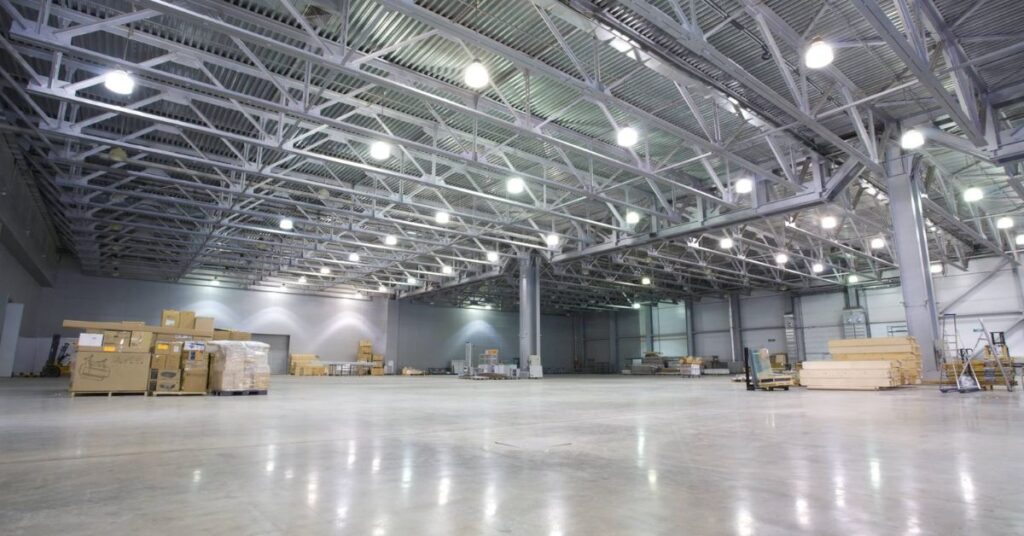
Suppose you’re searching for High lumen LED Lights in Delhi. In that case, you want lighting that delivers exceptional brightness, energy efficiency, and long life — all suited to Delhi’s varied commercial, industrial, and outdoor applications. This guide explains everything a new buyer needs to know: what “high lumen” means, which product types to consider, technical specifications that matter, installation tips, maintenance, safety, and how to select the right product for your budget and space. What “High Lumen” Means A “high lumen” LED delivers a large amount of visible light (measured in lumens). Unlike wattage, which measures power consumption, lumens measure light output. For buyers of High lumen LED Lights in Delhi, lumen figures help compare true brightness across products and technologies. In LED lighting, look for lumen output values and lumens per watt (lm/W) to judge efficiency: higher lm/W means more light for each unit of electricity consumed. Common Applications for High Lumen LEDs in Delhi Delhi has a mix of dense urban areas, industrial zones, retail markets, and large outdoor spaces. High lumen LED Lights in Delhi are commonly used for: Each application requires different beam angles, optical control, and IP protection levels — which we’ll cover next. Key Technical Specifications Buying High lumen LED Lights in Delhi means evaluating technical specs rather than just brand names. Here’s what matters most: Lumens and Luminous Efficacy (lm & lm/W) Correlated Color Temperature (CCT) Color Rendering Index (CRI) Beam Angle and Optics IP Rating (Ingress Protection) Driver Type and Reliability Thermal Management Certifications and Testing Types of High Lumen LED Products When selecting High lumen LED Lights in Delhi, understand the product categories available: LED High Bay Lights Built for warehouses, factories, and workshops — high bays deliver intense, uniform illumination from high ceilings. Choose appropriate optics and mounting for aisle layouts and racking. LED Flood Lights Ideal for outdoor areas, building façades, and event lighting. Flood lights are available in a wide range of lumen outputs and beam patterns. LED Street and Road Lights Designed for pole mounting with effective light distribution and glare control. High lumen LED street lights save energy while improving night-time visibility. LED Panel and Troffer Lights For large retail showrooms and office ceilings, high-output panels provide comfortable, even illumination and integrate well with ceiling grids. Linear High Output LEDs Used in industrial lines, cove lighting, and long aisles — these deliver continuous, uniform illumination across long runs. Stadium & Sports LED Lights High-performance fixtures designed to deliver very high lumen output with tight optical control, uniformity, and suitable flicker performance for broadcasting and live events. How to Choose the Right Lumen Level Selecting the correct lumen output starts with the space’s purpose and mounting height. Here are general guidelines (use as starting points; run a lighting layout for precision): To choose fixtures, calculate the required total lumens: multiply target lux by area (m²) to get lumen requirement, then divide by number of fixtures and fixture efficacy. For new buyers of High lumen LED Lights in Delhi, an exercise with a lighting designer or using photometric software ensures correct uniformity and avoids over- or under-lighting. Energy Savings & Payback One of the biggest benefits of High lumen LED Lights in Delhi is energy savings. LEDs typically offer much higher lm/W than legacy HID or fluorescent lamps. Savings show up in reduced electricity bills and lower maintenance costs due to longer life and fewer lamp replacements. When evaluating payback, consider: Because payback depends on operating hours and fixture performance, new buyers should estimate operating hours for their application (e.g., 10 hrs/day for retail, 24/7 for some factories) and run a simple cost comparison using lumens per watt and fixture wattage. Dimming, Controls, and Smart Features Modern High lumen LED Lights in Delhi often support dimming and smart controls, which further improve energy efficiency and flexibility: Controls add upfront cost but reduce operational expenses and can extend fixture life by reducing average drive current. Installation Best Practices Proper installation ensures performance and safety for High lumen LED Lights in Delhi: Maintenance and Lumen Depreciation LEDs degrade slowly. Lumen maintenance is rated as L70 (time to 70% of initial output). High-quality High lumen LED Lights in Delhi should have longer L70 lifetimes — often tens of thousands of hours under rated conditions. Maintenance tips: Warranty and After-Sales Support A strong warranty and local after-sales support are important for buyers of High lumen LED Lights in Delhi. Look beyond the warranty length — examine: Local presence of the manufacturer or distributor shortens downtime and simplifies warranty claims. Safety & Regulatory Considerations When buying High lumen LED Lights in Delhi, be aware of: Comparing Products — What Differentiates Good vs Poor Fixtures A few practical checks to separate good fixtures from poor ones: Sourcing and Buying in Delhi When purchasing High lumen LED Lights in Delhi, consider: Financing & Bulk Procurement Large buyers often negotiate volume discounts and structured maintenance contracts. If you’re managing a retrofit or a whole-site installation in Delhi, discuss: Frequently Asked Questions (FAQ) Q: What qualifies as “high lumen”? A: There’s no fixed threshold; “high lumen” is relative to the application. For industrial high bays and floodlights, fixtures delivering several thousand lumens (e.g., 5,000–50,000 lumens per fixture) are common. For area lighting, focus on lumens per square meter (lux) to determine adequacy. Q: Are high lumen LEDs energy efficient? A: Yes — if you compare lumens per watt. Modern high-lumen LEDs often provide significantly higher lm/W than traditional sources, which is superior in terms of energy-to-light conversion. Q: Do I need special wiring for high lumen LED fixtures? A: Wiring must match the fixture’s rated voltage, earth bonding requirements, and local wiring codes. Higher-power fixtures may require thicker cables or dedicated circuits; always consult an electrician and check product documentation. Q: How long do these LEDs last in Delhi’s climate? A: Lifespan depends on fixture quality and thermal design. Well-designed fixtures with good drivers and thermal management can last 50,000 hours or more. For outdoor fixtures,

Best High Lumen LED Lights in Delhi – Brightness That Pays Back Read More »

LED Flood Lights in Delhi

LED Flood Lights Delhi – Save Up to 70% on Outdoor Lighting

LED flood lights are the most energy-efficient way to light yards, façades, parking lots, and signboards in Delhi. Choose the right wattage by lumen output (not watts), insist on BIS registration and BEE/BIS-compliant products, check IP and CRI ratings, prefer brands with local warranty support, and hire a qualified electrician for mounting and wiring. Expect a typical price range from ₹1,000–₹3,500 for common 30–100W units; bulk/industrial fixtures cost more. Always check local DISCOM tariffs and DO NOT buy the cheapest unbranded units. 1) What is an LED flood light — quick primer A flood light is a broad-beam luminaire designed to illuminate large outdoor areas (yards, façades, sports areas, billboards, parking lots). LED flood lights replace older metal-halide or halogen floodlights and deliver far higher lumens per watt, instant start, long life, and lower maintenance. Choose LED flood lights by lumens (brightness) and IP rating (weather resistance), not just wattage. 2) Why buy LED flood lights in Delhi 3) Key specs every buyer must understand 4) Important Indian rules & product safety 5) Typical wattages, lumen guidance & use cases 6) Price ranges & buying places in Delhi 7) Installation & safety checklist (Delhi-specific tips) 8) Common buyer mistakes to avoid Final checklist (copy/paste before you buy)

LED Flood Lights Delhi – Save Up to 70% on Outdoor Lighting Read More »

Surface Lighting Fixtures in Delhi

Surface Lighting Fixtures Delhi – Transform Your Room with Stylish, Low-Profile Lights

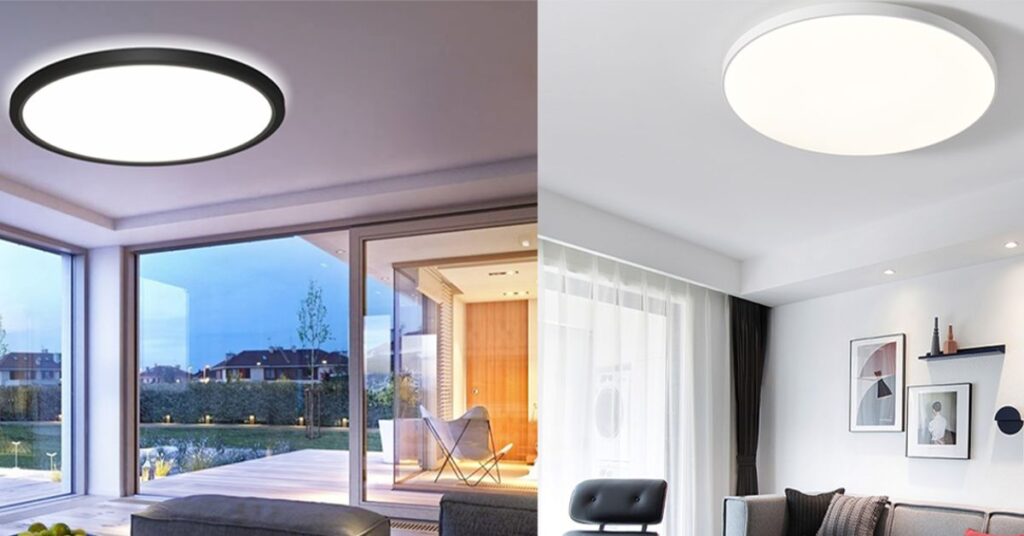
Transform Your Space with Stylish Surface Lighting Fixtures in Delhi Lighting is no longer just about illumination — it’s about ambience, efficiency, and aesthetics. Whether you’re lighting up a cozy living room, an elegant retail store, or a sleek corporate office, surface lighting fixtures are one of the most versatile and stylish solutions available today. At The Lantern by Agarsain Bath & Lights, we offer a curated range of surface lighting fixtures in Delhi that combine modern design, energy-efficient technology, and easy installation — making them ideal for both new spaces and retrofit projects. What Are Surface Lighting Fixtures? Surface lighting fixtures are mounted directly on the ceiling or wall surface — unlike recessed lights, which are embedded inside false ceilings. They are perfect for spaces where: These fixtures are available in various shapes and finishes — round, square, cylinder, or panel styles — and can blend with virtually any interior theme. Types of Surface Lighting Fixtures Here’s a quick guide to the most common types available at The Lantern: 1. Surface Ceiling Lights 2. Surface Wall Lights 3. Surface Linear Lights 4. Surface Cylinder Lights 5. Outdoor Surface Fixtures Why Choose Surface Lighting Fixtures? ✅ Easy Installation No need for false ceilings — simply mount and wire. Perfect for quick renovations or spaces with concrete ceilings. ✅ Elegant Design Options From minimal matte finishes to metallic accents, surface fixtures enhance your décor while providing efficient illumination. ✅ Energy Efficiency Most modern surface fixtures use LED technology, consuming up to 80% less energy than traditional bulbs. ✅ Versatile Application Suitable for residential, commercial, and hospitality projects — from apartments to showrooms. ✅ Low Maintenance LED surface lights have longer lifespans (25,000–50,000 hours) and require minimal upkeep. How to Choose the Right Surface Lighting Fixture When buying surface lighting fixtures in Delhi, consider these factors to ensure you make the best investment: 1. Purpose of the Space 2. Fixture Design Pick designs that complement your ceiling and décor style — modern, industrial, or classic. 3. Beam Angle & Light Spread Wider beam angles (90°–120°) for general lighting; narrower beams for highlighting. 4. Lumens & Wattage Check for the right brightness level. Example: a 12W LED surface light provides ample brightness for a small room. 5. Brand & Warranty Always buy from trusted brands like The Lantern by Agarsain Bath & Lights — offering warranty-backed, BIS-certified products. Where to Use Surface Lighting Fixtures in Delhi Price Range of Surface Lighting Fixtures in Delhi Surface lights come in a wide price spectrum depending on design, wattage, and brand: Type Price Range (Approx.) Use Case Basic LED Disk Lights ₹350 – ₹900 Residential ceilings Surface COB Lights ₹800 – ₹2,000 Retail & commercial Designer Cylinder Lights ₹1,500 – ₹3,000 Premium interiors Linear Surface Lights ₹1,800 – ₹4,000 Offices & lobbies Outdoor Surface Fixtures ₹1,000 – ₹2,500 Facades, balconies Why Buy from The Lantern by Agarsain Bath & Lights FAQs About Surface Lighting Fixtures in Delhi Q1. Can surface lighting fixtures be used without false ceilings? Yes. Surface lights mount directly on ceilings or walls — no false ceiling required. Q2. Are LED surface lights dimmable? Yes, many models support dimming with compatible drivers or smart dimmers. Q3. Which brands are best for surface lights in Delhi? The Lantern by Agarsain Bath & Lights offers premium selections from top architectural lighting brands. Q4. Do surface fixtures work outdoors? Yes, as long as they have proper IP-rated protection (IP65 or above). Q5. What’s the lifespan of LED surface lights? Most last 25,000–50,000 hours, depending on usage and quality. Conclusion: Surface Lighting Fixtures That Combine Style and Performance If you’re planning a lighting upgrade that’s elegant, functional, and installation-friendly, surface lighting fixtures in Delhi are your best bet.At The Lantern by Agarsain Bath & Lights, we help you choose the right balance of form, function, and finish — ensuring your spaces shine beautifully and efficiently. 📍 Visit The Lantern showroom in Delhi to explore the complete collection or speak with our lighting consultants for personalized recommendations.

Surface Lighting Fixtures Delhi – Transform Your Room with Stylish, Low-Profile Lights Read More »

Linear Architectural Lights in Delhi

Linear Architectural Lights in Delhi: Read This Buyer’s Checklist

Linear architectural lights deliver continuous, clean illumination for modern interiors and façades. This guide explains types (recessed, surface, suspended, outdoor), key specs (lm/m, CRI, CCT, IP, drivers), Delhi-specific buying tips, installation, maintenance, and a buyer checklist so architects, contractors, and homeowners can choose the right product without searching elsewhere. 1. Why linear architectural lights matter If you’ve walked into a modern showroom, office, or high-end apartment in Delhi, chances are you noticed long, uninterrupted lines of light that define ceilings, walls, aisles, and façades. Linear architectural lights are the design element that turns plain spaces into purposeful ones — they guide movement, emphasize form, and deliver glare-controlled, uniform light that’s essential for retail, hospitality, corporate, and residential design. For buyers in Delhi, choosing the right linear fixture is not just about looks. You need the right brightness, colour, durability, and driver quality to handle Delhi’s dust, heat, and sometimes fluctuating electrical supply. This guide from Agarsain Bath & Lights — The Lantern explains everything a new buyer needs: what linear lights are, how they differ from other fittings, the specs that matter, how to pick the right type for your project, installation and maintenance tips, and a checklist for purchasing in Delhi. 2. What are linear architectural lights? Linear architectural lights are luminaires that produce light along a continuous linear form — straight runs or long curves — typically using LED modules integrated into slim profiles. Unlike spotlights or downlights that create points of light, linear luminaires create even, consistent illumination over surfaces and spaces. They come as recessed (slot/trimless), surface-mounted, suspended, flexible strips, and rugged outdoor façade models. Key benefits: 3. Types & styles Recessed linear (trimless / slot) Surface-mounted linear Suspended linear Wall-washer / grazing linear Flexible linear strip (neon-replacement) Outdoor façade linear (IP65+) 4. Technical specs explained — what actually matters Below is a practical glossary with recommended ranges and how these affect real projects in Delhi. Lumen output (lm) / Lumens per metre (lm/m) Efficacy (lm/W) CCT — Correlated Colour Temperature (K) CRI — Colour Rendering Index IP rating (Ingress Protection) IK rating (Impact) Driver type & dimming methods Power factor & THD Lifetime / LM figures Materials & finishes Certifications & warranties Practical tip: Request test reports and sample lengths (1–2 meter sample runs) to check colour uniformity and glare before final purchase. 5. Design & application use-cases Residential: Cove lighting, kitchen island suspended rows, wardrobe, and cabinets. Prefer warm 2,700–3,500K and CRI ≥80. Offices & Workspaces: Suspended linear over desks with asymmetrical optics to reduce screen glare. Use neutral 3,500–4,000K and DALI control for task tuning; target ~300–500 lux at desk surfaces. Retail: Continuous runs above aisles and adjustable grazing fixtures to highlight displays. Use CRI ≥90 and 3,500–4,000K or mixed tunable white for display flexibility. Lux: 300–700 depending on product. Hospitality & F&B: Warm ambient runs in lobbies and features lighting on walls. Focus on glare control and layered lighting. Façade & outdoor: Linear façade washers and uplights for architectural character. Use IP65+ fixtures with surge protection and robust mounting hardware. Recommended lux guidelines (quick): 6. Buying guide for Delhi — what to check Climate & dust: Delhi gets hot, dusty summers and a monsoon season. For exposed installations (soffits, façades, outdoor canopies), choose IP65+ fixtures and sealed end-caps. For indoor ceiling voids that are dusty, choose sealed drivers and diffusers easy to clean. Electrical stability: Power spikes and fluctuating supply are common. Ask for drivers with surge protection and wide input voltage ranges (e.g., 100–277V or 200–240V with surge tolerance). Check power factor (>0.9). Local support & spares: Buy from suppliers offering local service and spare drivers/diffuser parts. This saves time and cost for long runs. Controls & integration: For new commercial buildings, plan for DALI/DALI-2 or integrated smart control. Ensure drivers and fixtures are compatible with your BMS or control ecosystem. Budget buckets: Local compliance: Verify BIS certification or accepted local approvals. For public/commercial projects, ensure fixtures meet fire and building code requirements. Where to buy: Agarsain Bath & Lights (The Lantern) showrooms, authorized dealers, or direct project sales. Ask for samples and on-site photometric simulations (IES files) for larger projects. 7. Installation & mounting (high-level) Recessed linear (trimless/slot): Surface-mounted: Suspended: Wiring & safety: Use licensed electricians. Ensure earth continuity, appropriate cable sizing, and separate emergency lighting circuits if required. Label drivers and control cables for future maintenance. 8. Maintenance, troubleshooting & warranty Cleaning: Dust diffusers monthly in dusty environments. Use a soft microfiber cloth and mild detergent for stubborn grime. Avoid abrasive cleaners. Routine checks: Annual inspection for driver heat, loose connectors, and uneven light output. For outdoor fixtures, check seals and end-caps before the monsoon. Troubleshooting: Spare parts: Keep spare drivers and short diffuser sections for long continuous runs. Number of runs and drivers during installation to map spare allocation. Warranty claims: Keep the purchase invoice, photos of installation, and serial numbers. Agarsain offers product warranty and local service — contact the showroom for claim procedures (insert showroom contact details). 9. FAQs — what buyers always ask Q1: What’s the difference between recessed and suspended linear lights? A: Recessed is integrated into the ceiling for a clean look; suspended hangs below the ceiling and becomes a visible design element. Choose based on ceiling depth and aesthetic. Q2: Can linear lights be used outdoors in Delhi? A: Yes — use IP65+ rated fixtures with sealed enclosures and surge-protected drivers for façades and soffits. Q3: How do I choose CCT and CRI? A: Use warm (2,700–3,500K) for hospitality/residential. Neutral to cool (3,500–5,000K) for offices and retail. CRI ≥90 for true-colour retail displays. Q4: Are linear LED lights energy efficient? A: Yes. Modern LEDs with ≥100 lm/W drastically reduce energy vs older fluorescent options. Q5: Can linear lights be dimmed? A: Yes. Common methods: TRIAC, 0–10V, DALI, or smart controls. For commercial projects, DALI is recommended. Q6: How long do they last? A: Expect 50,000+ hours (L70) for quality modules — translates to many years of normal use. Q7: Do long

Linear Architectural Lights in Delhi: Read This Buyer’s Checklist Read More »

Retrofit LED Lights in Delhi

Retrofit LED Lights in Delhi – Stop Wasting Money on Old Fixtures Now

Retrofitting to LEDs in Delhi typically cuts lighting energy by around 50–60% vs fluorescent fixtures. It can pay back the retrofit cost in under 1 year for many common scenarios when run daily. Pick BEE-starred, BIS-standard products, decide between plug-and-play (easy) and ballast-bypass/direct-wire (more reliable long-term), check CRI/CCT/lumen/warranty, and always use a qualified electrician for tube rewiring. 1) What a retrofit LED lights? A retrofit LED replaces or converts an existing light source (incandescent, CFL, fluorescent) so you can keep the existing fixture/body while gaining LED efficiency and long life. Some retrofits are drop-in (plug & play), others require simple rewiring (ballast-bypass / direct-wire). In some cases, the whole fixture is replaced if conversion isn’t practical. 2) Why retrofit in Delhi — the top benefits 3) Important Indian standards & labels to check 4) Types of retrofit LED products & when to use them 5) The big decision: plug-and-play vs ballast-bypass 6) Buyer’s checklist — what to verify before purchase 7) Installation & safety tips (Delhi) 8) Quick FAQs: Q: Are LEDs dimmable by default? A: No — only buy LED tubes/fixtures explicitly marked dimmable and compatible with your dimmer type. Non-dimmable LEDs can flicker or get damaged on dimmers. Q: Will plug-and-play damage my existing ballast? A: Plug-and-play uses the ballast; if the ballast is old, the tube life can be affected. For long life, ballast bypass is preferred. Q: How long do retrofit LEDs last? A: Good quality LED tubes often have >25,000–50,000 hours rated life; actual life depends on thermal management, driver quality, and operating conditions. Ask for LM80/lumen maintenance data.

Retrofit LED Lights in Delhi – Stop Wasting Money on Old Fixtures Now Read More »

Accent Lighting Solutions in Delhi

Accent Lighting Solutions in Delhi: The Definitive Guide

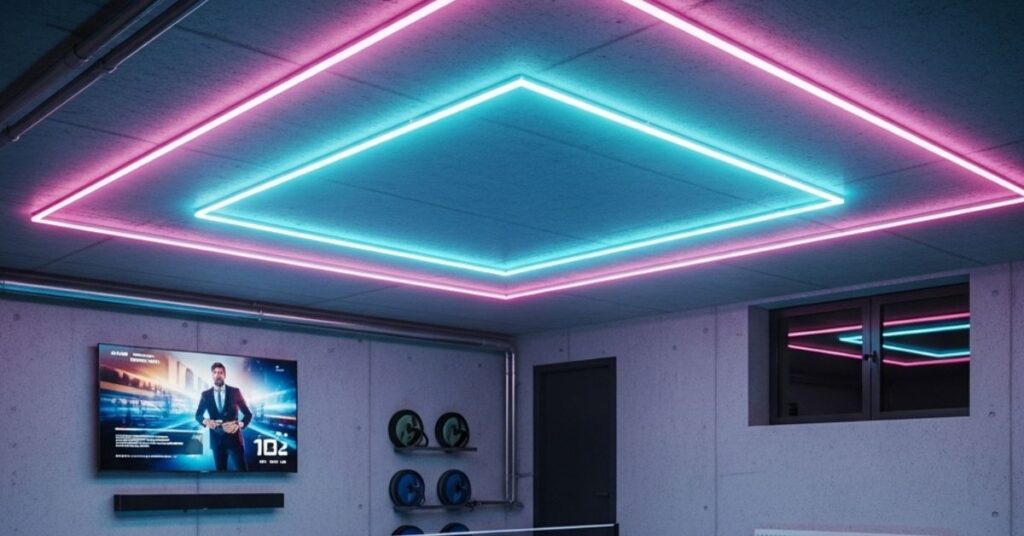
Why Accent Lighting is More Than Decoration Walk into a premium Delhi home, a fashion boutique in South Ex, or a luxury café in Aerocity, and you’ll notice one thing: lighting that makes certain features stand out. That’s accent lighting—the art of using light not just to brighten a space, but to highlight architecture, set moods, and guide attention. While general and task lighting form the backbone of illumination, accent lighting adds depth, drama, and emotion. In today’s design-driven projects, accent lighting solutions in Delhi are in high demand across residential, commercial, and hospitality sectors. This article explores accent lighting from every angle: design theory, technology, applications, mistakes to avoid, Delhi-specific case insights, and future trends. Part 1: What is Accent Lighting? Accent lighting is the strategic use of directional or diffused light to draw attention to specific elements in a space: walls, art, furniture, textures, or even moods. In simple words, it’s the difference between a flat, evenly lit room and a space that feels alive with character. Part 2: Why Accent Lighting Matters in Delhi Interiors Part 3: Popular Types of Accent Lighting in Delhi 1. Accent LED Strips Delhi 2. Spotlights 3. Wall Washers 4. Recessed False Ceiling Accent Lights 5. Mood Lighting Systems 6. Outdoor Accent Lighting Part 4: Technical Parameters Professionals Consider Part 5: Accent Lighting Applications in Delhi Residential Commercial & Retail Hospitality Part 6: Accent Lighting vs. Decorative Lighting Part 7: Mistakes to Avoid Part 8: Accent Lighting Case Insights (Delhi Projects) Part 9: The Delhi Trend – Accent Lighting as Identity Part 10: Where to Experience Accent Lighting in Delhi Catalogs don’t show the real glow, shadows, or mood. A highlight lighting showroom in Delhi lets you: For example, The Lantern by Agarsain Bath and Lights, Rajouri Garden functions as an experience center where accent systems—LED strips, wall washers, COBs—are showcased in live interior settings. Conclusion Accent lighting is not luxury—it’s the difference between a space that feels flat and one that feels alive. In homes, it creates comfort and mood. In retail, it drives sales by guiding attention. In hospitality, it defines the brand experience. If you’re exploring accent lighting solutions in Delhi, go beyond catalog purchases. Visit a highlight lighting showroom in Delhi where you can experience accent LED strips, mood lighting setups, and precision spotlights in action. ✨ Because accent lighting doesn’t just brighten—it tells a story.

Accent Lighting Solutions in Delhi: The Definitive Guide Read More »