Author name: Agarsain baht & light

How to Light a Retail Store

How to Light a Retail Store: The Practical, Product-Focused Guide

If you’re asking how to light a retail store, you want a space that makes products pop, guides customers, and spends as little on power and maintenance as possible. This guide walks a new buyer step-by-step through the whole process: strategy, measurable targets, product specs to demand, fixture choices, control systems, installation advice, commissioning, and procurement language you can copy and paste. It’s written to be practical and product-oriented so you can brief suppliers and electricians with confidence. Throughout, I’ll show exact numbers and example calculations (done step-by-step), so you won’t guess at the results. Read this, and you’ll know precisely how to light a retail store that sells more while costing less to run. Quick overview — what matters most when you learn how to light a retail store If you remember these seven things, you’ll already be well on your way to understanding how to light a retail store correctly. Step 1 — Define your retail lighting strategy (before you buy anything) Before picking fixtures, answer these questions: Example: a boutique selling textiles prioritizes warm, flattering light (CCT ~3000K, CRI ≥90) and dramatic window displays; a hardware store needs crisp, neutral 4000K light to show finish and detail. Answering the above is the first practical step in learning how to light a retail store. Step 2 — Zone, lux targets, and lumen math (do the numbers repeatably) Zoning is the foundation. Typical retail zones and recommended lux (illuminance at the product plane): How to convert lux to lumens (one repeatable calculation used when you learn how to light a retail store): Worked example (step-by-step digits): you want 500 lx on a feature wall that is 4.0 m wide and 2.5 m high — area A = 4.0 × 2.5. This arithmetic lets you size fixtures and is central to how to light a retail store with measurable outcomes. Step 3 — Choose CCT & CRI carefully (merchandise specifics) Colour makes or breaks retail. Guidelines: When you write procurement docs, include exact CCT and CRI numbers for each zone — this is non-negotiable when learning how to light a retail store professionally. Step 4 — Optics & beam angles (control light, avoid wasted spill) Beam angle choice controls how light concentrates and how many fixtures you need: Rule of thumb for accent spacing: aim distance roughly equals 1–1.5× the beam diameter on the target plane. Use photometrics (IES files) for precision. Beam control is a core skill in how to light a retail store — good optics mean fewer fixtures and crisper merchandising. Step 5 — Fixture types and where to use them (practical product guidance) Pick fixtures based on function: When considering how to light a retail store, choose fixtures offering replaceable drivers and compatible beam accessories (lenses, snoots) to extend flexibility. Step 6 — Controls: zoning, scenes, and protocols Controls are where energy savings and merchandising flexibility happen. Key control ideas to include in your plan: If you’re specifying controls, demand a central management interface, remote diagnostics, and power metering per zone. This is advanced practice in how to light a retail store and pays off at scale. Step 7 — Energy, efficacy & lifecycle economics (real numbers) Pick fixtures by efficacy (lm/W) and consider L70 life and warranty. Quick calculation example to show savings (stepwise digits): Scenario: replacing 20 halogen 50 W spots with 8 W LED equivalents (same light). This shows why knowing how to light a retail store with efficient LED fixtures is often a top operational priority. Step 8 — Procurement: specs to demand & RFQ template When inviting quotes, demand measurements, not claims. Minimum spec list: Copy-paste RFQ snippet (edit zone/quantities): RFQ: Supply & install feature wall lighting — 6 × track spot heads, delivered lumens 1,200 lm per head, beam 24°, CCT 3,000K, CRI ≥ 92, dimmable (DALI & triac), flicker <5% (report required), driver accessible in ceiling void; include IES files, controls (DALI panel), site commissioning, and 5-year warranty. Use this when you’re serious about learning how to light a retail store correctly — it forces vendors to provide hard data. Step 9 — Installation, aiming, and commissioning (on-site work) Good installation and commissioning are essential. If you want to know how to light a retail store that performs, don’t skip on-site commissioning and signed acceptance. Step 10 — Maintenance and spares plan Plan for maintenance to keep the lighting effective: A simple spare parts kit and logbook are among the most cost-effective shop lighting ideas you can implement. Common pitfalls when you learn how to light a retail store (and how to avoid them) Avoid these, and your lighting plan will be both beautiful and durable. Quick checklist — before you sign a supplier contract Checking these boxes ensures you’ll know how to light a retail store the professional way. Helpful manufacturers & standards (test before buying) For product datasheets, IES files, and documented compatibility, start with established suppliers and check national efficiency guidance. Example manufacturers and resources to consult include Philips for professional fixtures and photometrics, practical retail options at IKEA, and for energy & compliance guidance, refer to the Bureau of Energy Efficiency, where applicable. For drivers and power supplies, companies like Mean Well publish detailed specs that are useful in procurement. (Use these as starting points, but always validate data sheets and request test reports.) Final thoughts — turning strategy into sales Lighting is the silent salesperson. When you understand how to light a retail store, you design with measurable targets, choose the right fixtures and controls, and commit to commissioning and maintenance. Good lighting increases dwell time, improves perceived product quality, and reduces operational costs. Use the zoning, math, product specs, and RFQ templates above, and you’ll get a store that looks great, works reliably, and delivers real ROI.

How to Light a Retail Store: The Practical, Product-Focused Guide Read More »

Infinity Pools Showroom Delhi

Infinity Pools Showroom Delhi: A Complete Buyer’s Guide for First-Time Buyers

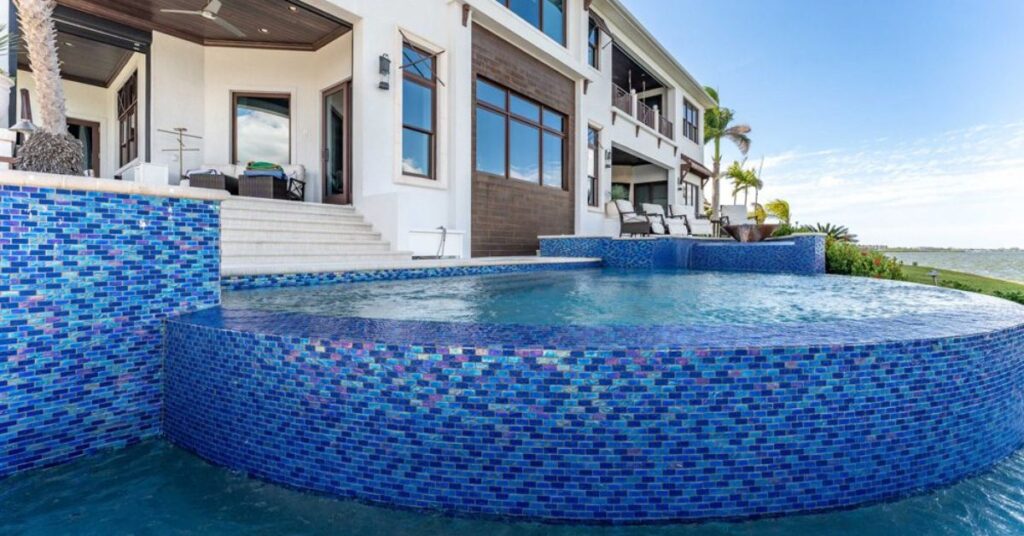
If you are searching for an infinity pools showroom Delhi, you are probably not just looking for a product — you are looking for an experience. An infinity pool is more than a place to swim. It is a design feature, a wellness investment, and a statement of lifestyle. For many buyers, the first showroom visit is where the idea becomes real. You can touch the materials, understand the technology, compare sizes, and see what is actually possible for your space. This guide is written for first-time buyers who want clear, practical advice before making a decision. Whether you are planning a rooftop retreat, a villa upgrade, a luxury terrace transformation, or a private wellness corner, visiting an infinity pools showroom Delhi can help you understand what to expect in terms of design, pricing, installation, and maintenance. The goal of this blog is to make the buying process simpler, more confident, and less overwhelming. Why visit an infinity pools showroom Delhi instead of buying online? A pool is not like a chair, a lamp, or even a bathtub. It is a large installation that depends on space, structure, access, water systems, electrical systems, and long-term care. That is why an infinity pools showroom Delhi matters so much. Here is what a physical showroom gives you: You can see the actual finish, edge design, water movement, and material quality.You can ask technical questions about pumps, filtration, heating, lighting, and automation.You can compare multiple sizes and model options in one place.You can speak directly to experts who understand both the product and the installation process.You can evaluate whether the pool design suits your home, terrace, villa, resort, or commercial space. When you visit an infinity pools showroom Delhi, you move from imagination to planning. That is a big difference, especially for a high-value purchase. What an infinity pool actually is Before you shop, it helps to understand the product. An infinity pool is a swimming pool designed so that one side appears to disappear into the horizon. Water flows over an edge into a catch basin or circulation system, creating the visual effect of endless water. In the right setting, the result is elegant, modern, and striking. A quality infinity pools showroom Delhi should help you understand the difference between a simple decorative water feature and a true engineered infinity pool. You should see: Some people visit a showroom expecting only aesthetics, but the real value comes from understanding the engineering behind the beauty. Who should consider buying an infinity pool? An infinity pool is ideal for buyers who want a combination of luxury, wellness, and architectural impact. A good infinity pools showroom Delhi often serves several kinds of customers: Homeowners with terraces or private gardens who want a premium lifestyle upgradeVilla owners who want a resort-like outdoor zoneHotels and hospitality projects that want a visually impressive featureWellness-focused buyers who want a space for relaxation and hydrotherapyBuilders and architects who need a statement installation for high-end projects If you are in any of these categories, visiting an infinity pools showroom Delhi is a sensible first step. What to expect from a good infinity pools showroom Delhi A proper showroom should do more than show you glossy brochures. It should educate you. When you walk into a trustworthy infinity pools showroom Delhi, look for the following: A knowledgeable team that explains the difference between modelsA display of materials, finishes, and structural componentsClear information about installation, electrical needs, and water systemsTransparent pricing or at least pricing guidanceGuidance on maintenance, cleaning, and long-term serviceProject examples or references from completed installations The best showroom experience feels less like sales pressure and more like a consultation. That is important when you are buying something as substantial as a pool. Types of infinity pools you may find in a showroom An infinity pools showroom Delhi may display different styles and configurations. Knowing the categories helps you compare better. 1. Standard residential infinity pools These are built for private homes, terraces, and gardens. They are designed to deliver the signature overflow look without requiring the scale of a large commercial pool. 2. Compact luxury pools These are smaller footprints, often ideal for urban homes where space is limited. They may include features like massage jets, heating, and LED lighting. 3. Smart pools A smart pool may include app-based controls, automated filtration, water quality monitoring, mood lighting, and temperature management. A modern infinity pools showroom Delhi may highlight these systems for convenience and efficiency. 4. Spa-pool combinations These hybrids combine relaxation and swimming elements. They are popular among buyers who want wellness features in a compact area. 5. Custom-built architectural pools These are made to match the design language of a luxury home, rooftop, or boutique hospitality project. They are often more expensive but highly personalized. Features to compare before you buy If you are serious about choosing the right product, focus on features rather than just appearance. A good infinity pools showroom Delhi should help you compare the following: Structure and shell material Ask whether the pool uses acrylic, fiberglass, reinforced concrete, or modular construction. Each has different durability, maintenance, and installation needs. Overflow system The infinity edge must be designed correctly. Ask how water is collected, recirculated, and balanced. Filtration system A reliable filtration system keeps the water clean and reduces maintenance work. Ask about filter type, circulation rate, and cleaning cycles. Heating options If you want year-round use, heating is worth discussing. Ask whether the system supports heaters and how much energy they consume. Lighting LED underwater lighting can completely change the mood of the pool at night. Good showrooms will show different lighting options. Control systems A smart control panel or mobile app makes pool management easier. Ask what automation features are available. Safety features Look for anti-slip steps, edge protection, secure access points, and proper electrical safety. What new buyers often get wrong Many first-time visitors to an infinity pools showroom Delhi focus only on the visual appeal. That is understandable, but it can

Infinity Pools Showroom Delhi: A Complete Buyer’s Guide for First-Time Buyers Read More »

Monsoon Proof Bathroom Fixtures

Monsoon Proof Bathroom Fixtures: Buy Durable, Rust Free & Water-Safe Bathroomware

Why “monsoon proof bathroom fixtures” matter If you live in a climate with a pronounced rainy season, choosing monsoon proof bathroom fixtures is not a luxury — it’s a practical necessity. High humidity, frequent water splashes, and prolonged dampness accelerate corrosion, loosen adhesions, encourage mold growth, and reduce the lifespan of standard bathroom fittings. This guide gives new buyers everything they need: what to look for in products, which materials and finishes last best in high humidity, how to design for ventilation and drainage, shop-smart tips, and a practical buying checklist. The monsoon problem: what moisture does to bathrooms Monsoon conditions combine high humidity with frequent water exposure. In bathrooms, this causes: Buying monsoon proof bathroom fixtures reduces all of the above by using materials and designs specifically made to resist moisture and salt-laden air. What “monsoon proof” actually means for a product A fixture labelled as monsoon proof should meet several practical standards: When you shop, use this checklist to confirm a product truly qualifies as monsoon proof bathroom fixtures and is not merely “water-resistant” in name only. Materials that perform best in the monsoon Choosing the right materials is the fastest way to ensure longevity. Metals and finishes Plastics and composites Wood, plywood, and boards Fixtures and fittings you should prioritise when buying Here’s a product-by-product breakdown for buyers who want truly monsoon proof bathroom fixtures. Taps and mixers Choose ceramic-disc cartridges, 304/316 stainless bodies, and high-quality finishes. Look for warranties that explicitly cover corrosion. Showerheads and hand showers Prefer ABS or stainless components with anti-calc and anti-clog nozzles. Select finishes that won’t flake — PVD or quality electroplating are robust choices. Railings, towel bars, and brackets Solid stainless steel or brass with full-length welds outperform hollow, plated alternatives. Concealed-fix brackets reduce water traps that accelerate rust. Bathroom cabinets and vanities Go for waterproof carcasses (marine plywood, WPC) and water-resistant finishes. Elevated plinths or wall-hung cabinetry prevent prolonged contact with wet floors during heavy monsoon splashes. Mirrors and medicine cabinets Anti-fog backing or silvering with waterproof sealants is ideal. Frameless or fully sealed frames prevent edge corrosion. Drain covers and gratings Stainless steel (316 in highly humid zones) or ABS gratings are best. Avoid low-grade chrome-plated steel that peels and rusts. Exhaust fans and lighting Choose IP-rated fixtures for wet zones. Exhaust fans with moisture-resistant motors and thermal protection reduce failure rates in the monsoon. IP ratings and electrical safety — non-negotiable for the monsoon When selecting electrical fixtures and lights for a bathroom that needs to be monsoon proof, look for IP (Ingress Protection) ratings: IP44 is the common minimum for bathroom zones where splashes may reach; IP65/IP66 is better for directly exposed outdoor or shower-zone applications. Also check for certified safety features—RCD/GFCI protection for circuits serving bathroom outlets and water-heating equipment. Waterproofing and installation best practices Even the best monsoon proof bathroom fixtures will fail without good waterproofing and installation. When installers follow these steps, your monsoon proof bathroom fixtures will actually stay monsoon-proof. Ventilation, dehumidification, and mold prevention Design matters as much as materials. Effective ventilation prevents humidity from lingering: These measures keep the environment friendly to monsoon proof bathroom fixtures, extending their life and performance. Maintenance routine that protects monsoon-proof investments Owning monsoon proof bathroom fixtures still requires regular care: A simple maintenance log will help you spot small problems before they become failures. Shopping tips and what to ask the retailer When you go shopping for monsoon proof bathroom fixtures, bring a checklist and ask these questions: Insist on product datasheets and written warranty terms — verbal promises won’t help if a finish fails after the first heavy monsoon. Budgeting: how much extra to expect for monsoon-resistant upgrades Selecting truly monsoon-ready fixtures and materials typically costs more upfront — estimate a premium of 10–30% over basic fittings, depending on the product category. For example, a stainless steel towel rail or brass mixer with PVD finish will cost more than a simple plated option, and a marine-grade vanity will cost more than an MDF unit. Consider this an investment: reduced replacement and repair costs in future monsoon seasons. Common mistakes to avoid Avoid these, and your monsoon proof bathroom fixtures will stay functional and good-looking for years. Quick decision checklist — what to buy and why This checklist helps you prioritize purchases when you’re outfitting a bathroom to be monsoon-ready. Final words — longevity is planned, not accidental Buying monsoon proof bathroom fixtures means combining smarter product choices with good installation and routine maintenance. The up-front premium for better metal grades, moisture-resistant boards, and IP-rated electricals pays off in fewer replacements, less rust staining, and a healthier, mold-free home. Use the materials guidance, product-by-product tips, and shopping checklist above to walk into stores confidently and buy fixtures that actually survive the monsoon — not just look good on day one.

Monsoon Proof Bathroom Fixtures: Buy Durable, Rust Free & Water-Safe Bathroomware Read More »

Buy Bath Products in Rajouri Garden

Buy Bath Products in Rajouri Garden, Delhi: Your Complete Local Buying Guide

If you’re looking to buy bath products in Rajouri Garden, Delhi, you’re in the right place. This humanized, product-first guide walks new buyers through everything: where to shop, which brands to consider, how to compare technical specs, what to measure before you buy, price expectations, installation and warranties, and practical shopping tips specific to Rajouri Garden and nearby West Delhi neighborhoods. By the end of this guide, you’ll know how to get the best value and avoid common mistakes when you buy bath products in Rajouri Garden, Delhi. Why Rajouri Garden is a great place to buy bath products Rajouri Garden has a dense cluster of home stores, local showrooms, and specialty lighting and bathware retailers that cater to different budgets — from economical essentials to designer fittings. If you plan to buy bath products in Rajouri Garden, Delhi, you’ll find: Because of this variety, shoppers who buy bath products in Rajouri Garden, Delhi can compare products in person, negotiate bundled discounts, and arrange installations with local contractors familiar with Delhi apartments and houses. What “bath products” include — scope for buyers When you set out to buy bath products in Rajouri Garden, Delhi, know what category you’re shopping for: Understanding these categories helps you plan a shopping route in Rajouri Garden and ask the right questions when you buy bath products in Rajouri Garden, Delhi. Planning before you go shopping Before you head out to buy bath products in Rajouri Garden, Delhi, do the prep work at home: Bringing measurements and a prioritized wishlist will make every store visit productive when you buy bath products in Rajouri Garden, Delhi. Best times and places in Rajouri Garden to shop Local showrooms in Rajouri Garden update displays during festival seasons and sale months. If you plan to buy bath products in Rajouri Garden, Delhi, try visiting: Many buyers who buy bath products in Rajouri Garden, Delhi, find that visiting 3–5 stores in one outing gives a reliable sense of pricing and quality. What to inspect at a showroom When you’re ready to buy bath products in Rajouri Garden, Delhi, treat each showroom visit like a mini-inspection: These checks help you avoid buying ill-fitting or unsuitable items when you buy bath products in Rajouri Garden, Delhi. Popular product choices and recommendations Below are product-focused suggestions to guide your purchase when you buy bath products in Rajouri Garden, Delhi. Toilets Basins & Vanities Showers & Mixers Taps & Finishes Bathtubs Accessories Comparing brands and warranties When you buy bath products in Rajouri Garden, Delhi, compare: Local showrooms in Rajouri Garden often stock spares or can source them quickly — useful when you buy bath products in Rajouri Garden, Delhi, and want hassle-free maintenance. Sourcing installation and skilled trades Buying is only half the job — installation matters. If you buy bath products in Rajouri Garden, Delhi, ask showrooms for recommended plumbers, tilers, and electricians. Consider: Many buyers who buy bath products in Rajouri Garden, Delhi, bundle delivery and installation for convenience — negotiate these into the quote. Delivery, returns, and inspection on arrival When you buy bath products in Rajouri Garden, Delhi, verify: Always inspect and sign delivery receipts only after you’ve verified the condition — it protects you if you buy bath products in Rajouri Garden, Delhi. Eco-friendly options and water-saving tips If you care about sustainability when you buy bath products in Rajouri Garden, Delhi, look for: Choosing efficient fixtures will lower water bills and is a smart long-term move when you buy bath products in Rajouri Garden, Delhi. Common mistakes new buyers make People who buy bath products in Rajouri Garden, Delhi for the first time often: Avoid these pitfalls by using the shopping checklist below when you buy bath products in Rajouri Garden, Delhi. A practical shopping checklist Use this checklist every time you buy bath products in Rajouri Garden, Delhi: This checklist will save time and stress when you buy bath products in Rajouri Garden, Delhi. How to negotiate and get the best deal In Rajouri Garden’s competitive market, you can often negotiate: If you intend to buy bath products in Rajouri Garden, Delhi, ask for a written quote and compare across at least three showrooms before deciding. After-sales tips — maintenance and spare parts After you buy bath products in Rajouri Garden, Delhi, keep these tips: Regular maintenance helps your purchases last longer and retain value after you buy bath products in Rajouri Garden, Delhi. Final thoughts — smart buying in Rajouri Garden To summarize, when you buy bath products in Rajouri Garden, Delhi: Rajouri Garden offers great options for new buyers to find fitting, finish, and price. With the right preparation, you can make confident, long-term choices when you buy bath products in Rajouri Garden, Delhi.

Buy Bath Products in Rajouri Garden, Delhi: Your Complete Local Buying Guide Read More »

Bathroom Lighting Showroom Delhi

Bathroom Lighting Showroom Delhi: The 2026 Buyer’s Guide

If you searched for bathroom lighting showroom delhi, you want more than pretty pictures — you want fixtures that survive steam, light faces accurately, reduce glare, and last. This guide walks you step-by-step through everything a new buyer needs to know before visiting a showroom in Delhi: what to measure, what technical numbers to demand, the best fixture types for mirror and shower zones, how to convert lux into lumens, dimming and driver compatibility, IP ratings for wet areas, budgeting in INR, sample RFQ text you can copy-paste, and maintenance tips so your bathroom lights stay brilliant year after year. Throughout, I’ll use clear, product-oriented language — the exact questions to ask at a bathroom lighting showroom delhi and the precise specs tradespeople need on an RFQ. Quick checklist — what to bring to any bathroom lighting showroom delhi Bring this short checklist to the showroom or on calls: When you walk into a bathroom lighting showroom delhi, having those items makes the conversation fast, precise, and productive. Why buying bathroom lighting from a showroom matters A showroom is where you can evaluate how fixtures actually look when lit, and compare finishes and CCT side-by-side. For bathroom lighting, this is crucial because: If you type bathroom lighting showroom delhi into Google, aim to visit two or three showrooms so you can compare lit displays, not just catalog photos. Understand the zone rules before you shop (mirror, shower, ambient) Bathrooms have distinct zones with different lighting needs. Use these rules at a bathroom lighting showroom delhi: Before visiting a bathroom lighting showroom delhi, sketch your ceiling plan with zones and the task planes (mirror height ~1.6–1.7 m) to make the visit actionable. Mirror lighting: the single most important decision at a bathroom lighting showroom delhi When you visit a bathroom lighting showroom delhi, start at the mirror lighting corner. Follow these product-oriented rules: Ask the showroom staff to demonstrate the fixture at full brightness and dimmed (if dimmable). Mirror lights should not produce harsh shadows; if they do, skip that model. How to size fixtures — converting lux into lumens (simple, repeatable math) You’ll hear a lot of wattage talk at showrooms. Ignore watts; use lumens and lux. Quick worked example — use this at the bathroom lighting showroom delhi counter: Bring this calculation to your bathroom lighting showroom delhi visit, so you and the vendor are aligned on actual brightness — not just “one pendant” or “two sconces”. CCT and CRI — what you must test in showroom lighting displays At the showroom, always test: Remember: fixtures marketed as “warm white” may still have different colour rendering. Ask for manufacturer datasheets to confirm CRI and CCT values. IP ratings and safety zones — what to demand at the showroom Bathrooms are wet environments — IP ratings matter. At a bathroom lighting showroom delhi, ask the staff to show the IP labeling on each fixture and explain where they recommend mounting it in your bathroom zones. Dimming, drivers & compatibility — ask the showroom to demo this Dimming is where buyers often run into trouble. At the bathroom lighting showroom delhi, request a live demo: A real demo of dimming behaviour (smoothness, buzzing, flicker) at the showroom saves you from after-install headaches. Popular fixture types to try at a bathroom lighting showroom delhi When you visit showrooms in Delhi, try to see these categories lit and ask for their specs: Ask the showroom to switch between CCTs (if the product is tunable) and to show the driver access and mounting hardware. Local showroom recommendation & where to start For a hands-on search in the city, start with a reputable local showroom such as The Lantern by Agarsain Bath & Lights — ask for lit mockups of vanity and shower fixtures. They usually carry a range of bathroom fittings and can demonstrate CCT, CRI, and IP ratings in person. Visiting a real store helps you judge finish durability in local climate conditions. (If you prefer global brands, see the product datasheets from Philips and compare options at organised lighting marts; for practical, budget-friendly options, try IKEA.) Sample RFQ you can send after visiting a showroom Use this sample RFQ to get comparable quotes from suppliers after your bathroom lighting showroom delhi visits: RFQ — Bathroom Lighting Package (Bathroom A) Area: 2.5 m × 2.0 m; ceiling height 2.7 m. Scope: Supply & install vanity lighting, recessed ambient, and IP65 shower light. Send that RFQ back to the showroom contacts you liked and request a written quote. Installation & handover — what to verify on site On installation day, verify: Handover documentation prevents future disputes and ensures easier servicing. Maintenance & cleaning tips for Delhi homes Good maintenance keeps colours faithful and replacements minimal. Energy & efficiency — what to demand on spec sheets When the showroom hands you datasheets, check these numbers: If a showroom can’t provide these, press for the manufacturer’s datasheet or consider another supplier. Final buying checklist — use this at each showroom If the answer to each is yes, you’re on track to buy the right lights from a bathroom lighting showroom delhi. Where to read more & standards For national energy and performance guidance in India, refer to the Bureau of Energy Efficiency. For global manufacturer datasheets and technical guidance, see Philips for professional-grade fixtures and IKEA for approachable fixtures and mirror options. Closing: make your showroom visits count A visit to a bathroom lighting showroom delhi should be deliberate: bring measurements, use the lumen math above, ask for dimmer demos, insist on CRI and IP ratings, and get itemised quotes. If you do that, you won’t be guessing — you’ll be buying fixtures that look great, perform reliably in wet environments, and stand up to real life in Delhi.

Bathroom Lighting Showroom Delhi: The 2026 Buyer’s Guide Read More »

Complete Bathroom Buying Guide

Complete Bathroom Buying Guide: Everything a New Buyer Needs to Know

Welcome — if you’re standing at the beginning of a bathroom project, this Complete Bathroom Buying Guide is written for you. Whether you’re fitting out a small powder room, remodeling a family bathroom, or designing a luxurious master suite, this guide walks you through every decision a new buyer faces: measurements, layouts, essential products, budget planning, shopping tips, and maintenance. Read on to turn overwhelming choices into confident purchases. Why do you need a Complete Bathroom Buying Guide Bathrooms mix plumbing, electricity, cabinetry, and finishes in a small space. Mistakes become expensive and time-consuming. The Complete Bathroom Buying Guide helps you avoid those mistakes by prioritizing what matters: layout first, then plumbing and ventilation, then fixtures and finishes. Planning with product specifications in mind saves money and delivers a bathroom that works for years. Step 1 — Define goals, style, and scope Before you shop, ask: The Complete Bathroom Buying Guide recommends creating a simple mood board and a must-have list (e.g., walk-in shower, double vanity, heated towel rail). This defines product choices and prevents impulse buys. Step 2 — Measure carefully and create a layout Accurate measurements are the backbone of good buying decisions. Measure ceiling height, door swings, window positions, and existing plumbing locations. Sketch the room to scale or use a free layout app. Key clearances to respect: Using the Complete Bathroom Buying Guide checklist for measurements will ensure that the fixtures you buy will actually fit and function. Step 3 — Set a realistic budget and allocate it A bathroom budget covers three main categories: materials (tiles, paint), fixtures (toilets, showers, taps), and labor (plumber, tiler, electrician). Typical allocation: The Complete Bathroom Buying Guide suggests adding a 15% contingency for hidden issues such as water damage or unexpected plumbing updates. Choosing fixtures — toilets, basins, showers, and tubs Fixtures define function and aesthetics. Here’s a deep dive into product choices. Toilets Options include close-coupled, wall-hung, back-to-wall, and one-piece models. Consider: The Complete Bathroom Buying Guide recommends selecting a toilet after you finalize layout and measure rough-in distance. Basins and Vanities Choose a basin style that matches use: countertop basins, under-mount, semi-recessed, or integrated basin-vanity units. For vanities: When shopping, the Complete Bathroom Buying Guide advises testing drawer capacity and ensuring plumbing traps fit inside the cabinetry. Showers and Tubs Showers: fixed head, handheld, or dual systems. Consider thermostatic mixers for a stable temperature. For enclosures, frameless glass feels modern but costs more. Baths: freestanding tubs add luxury but need space and a strong floor. Acrylic tubs are light and warm to the touch; cast iron is durable but heavy. The Complete Bathroom Buying Guide walks you through choosing shower valves, heads, and enclosure types based on water pressure and user needs. Taps and mixers — function meets finish Taps influence water flow, maintenance, and style. Options: Finish choices (chrome, brushed nickel, matte black) affect maintenance and look. The Complete Bathroom Buying Guide suggests picking a finish that hides water spots if you prefer low maintenance. Tiles, flooring, and wall systems Tile selection affects waterproofing, safety, and mood. Tips: Underfloor heating? Plan electrical or water-based heating before tiling. The Complete Bathroom Buying Guide recommends ordering extra tiles (10%–15%) to allow for cuts and future repairs. Lighting and ventilation Good lighting layers include ambient (ceiling), task (mirror lighting), and accent (cove or downlights). Choose LED fixtures for longevity and efficiency. For mirrors, use diffused, shadow-free lighting for grooming. Ventilation prevents mold: extract fans should match room size and run time. The Complete Bathroom Buying Guide stresses pairing ventilation with automatic timers or humidity sensors. Plumbing, water pressure, and hot water systems Understand your home’s water pressure; some showers and mixers require minimum pressure or a pump. Check hot water capacity — a family may need a larger tank or an on-demand system. When selecting fixtures, the Complete Bathroom Buying Guide recommends confirming compatibility with your hot water system to avoid poor performance. Accessibility and future-proofing If aging-in-place or universal design is a factor, plan wider doorways, curbless showers, grab rails, and lever taps. Anti-scald valves and non-slip flooring are simple, cost-effective upgrades. The Complete Bathroom Buying Guide includes a checklist for accessibility features to add during planning. Materials and finishes — durability vs budget High-use bathrooms need tougher finishes. Consider: The Complete Bathroom Buying Guide helps you prioritize which surfaces deserve higher investment for longevity. Shopping tips — where to buy and what to compare When buying: The Complete Bathroom Buying Guide recommends buying major items (vanity, shower tray, bath) before tiling and final finishes to ensure fit and coordination. Installation — coordinating trades and timing A smooth install requires a project plan: The Complete Bathroom Buying Guide advises hiring licensed trades and getting written quotes. Always allow extra days for drying, inspections, and unexpected fixes. Maintenance and warranty — what to expect after buying Choose products with good warranty coverage and accessible spare parts. Maintain taps and cartridges, clean grout regularly, and check seals. The Complete Bathroom Buying Guide includes an owner’s maintenance checklist to keep your bathroom operating well and looking new. Eco-friendly choices and water savings Reduce water use with dual-flush toilets, low-flow aerators, and efficient shower heads. Consider durable materials that require less frequent replacement. The Complete Bathroom Buying Guide encourages shopping for products with clear efficiency ratings and long warranties. Common mistakes new buyers make (and how to avoid them) Keep this Complete Bathroom Buying Guide checklist handy to avoid these pitfalls and make practical, cost-effective choices. A practical shopping checklist (printable) Use this checklist from the Complete Bathroom Buying Guide during store visits and contractor meetings. How to prioritize when the budget is tight If you must choose, prioritize: The Complete Bathroom Buying Guide suggests spending more on items that are hard to replace later (pipes, waterproofing) and saving on cosmetic items that can be updated. Final walkthrough — making the purchase and schedule Before final payment: The Complete Bathroom Buying Guide recommends keeping a folder (digital or physical) with receipts,

Complete Bathroom Buying Guide: Everything a New Buyer Needs to Know Read More »

buy Acquaviva Infinity Pool Delhi

Acquaviva Smart Infinity Pools: How to Buy an Acquaviva Infinity Pool in Delhi with Confidence

If you’re ready to buy Aquaviva infinity pool Delhi, you’re not just purchasing a pool — you’re investing in a lifestyle upgrade that blends fitness, relaxation, and dramatic design. This guide walks you through everything a new buyer needs to know: what a smart infinity pool is, what makes the product special, how to check local availability and installation partners, typical budgets, permits, and site planning in the city, after-sales support, and how to compare alternatives. I’ll also share a practical buying checklist so you can walk into negotiations and order confidently. Before we move on: the company behind the product has an Indian presence and publishes detailed info about its smart infinity pools and channel partners — useful when you want to confirm specs and book a demo. Quick summary for busy buyers If your goal is to buy Aquaviva infinity pool Delhi, keep reading — this guide will turn an intimidating purchase into a clear set of decisions. What is a “smart infinity pool” and how is it different? A smart infinity pool is a packaged pool system designed for residential or small commercial spaces that combines the visual “infinite edge” aesthetic with modern pool automation and wellness features (resistance jets for continuous swim, hydrotherapy jets, LED lighting, automated filtration and sanitization, and app-based controls). The product you’re considering is positioned as a smart, low-construction solution that can fit into terraces, backyards, and penthouses without the full civil works that traditional pools demand. Why does this matter when you buy Aquaviva infinity pool Delhi: Spelling note — “Aquaviva” vs “Acquaviva” You asked to buy Aquaviva infinity pool Delhi. The product line in India is commonly listed under the name spelled “Acquaviva” by the manufacturer in India; this guide references local product and contact details under that official spelling when checking company resources. I’ll continue to use your exact keyword phrase throughout the article for SEO relevance, but when you verify suppliers or contact the company, look for the official presence and channel partners. Is it feasible to buy and install one in the city? Short answer: yes — many buyers in the Delhi NCR region install compact smart infinity pools on terraces, small yards, or in villas where structural capacity, access, and water supply are workable. The manufacturer provides product modules and channel partners that work in the Delhi / Noida region, which simplifies logistics. However, feasibility depends on: structural load capacity, access for delivery, local water storage, drainage, and any building or society permissions. Always get a site survey before you commit. How to evaluate if your site is suitable When you plan to buy Aquaviva infinity pool Delhi, ask these four quick questions and get photographic evidence ready for the supplier: Ask the vendor for a free site survey — reputable channel partners will offer this as part of the sales process. What features to expect when you buy Aquaviva infinity pool Delhi Here are the product features commonly promoted for these smart infinity pools — useful for direct comparison: These are the selling points you should confirm (and get in writing) from any dealer when you buy Aquaviva infinity pool Delhi. Typical cost breakdown and budgeting expectations Costs vary strongly by model, size, site complexity, and add-ons (heating, extra hydrotherapy features, hoisting/crane charges). Expect the following budget buckets when you plan to buy Aquaviva infinity pool Delhi: Because prices are model-specific, the fastest way to get a reliable figure when you buy Aquaviva infinity pool Delhi is to request a site survey and a written quote from an authorised channel partner. The manufacturer lists channel partners and contact numbers for India, which is a good starting point. How to choose the right model and size When you decide to buy Aquaviva infinity pool Delhi, consider: Document your priorities and ask the sales rep to show how each model meets them — especially jet flow rates and filtration cycle times. Local buying process — step-by-step Here’s the practical path when you plan to buy Aquaviva infinity pool Delhi: Follow this sequence to avoid surprises and ensure a smooth purchase when you buy Aquaviva infinity pool Delhi. Permits, society approvals, and municipal rules in the city Delhi and NCR local bodies may require building or occupancy permission for rooftop loads, noise, drainage changes, or significant plumbing. If you live in an apartment or gated community, you will likely need society committee approval first. Always confirm permit needs before you place an order to avoid delays. The installer or channel partner should help prepare documentation; ask them to include expected permit support in their quote. Energy, water consumption & running costs Smart infinity pools are engineered to be efficient, but they still need pumps, filtration, occasional heating, and water top-ups. When you buy Aquaviva infinity pool Delhi, ask specifically for: Having realistic running-cost numbers helps you budget beyond the purchase price. Warranty, maintenance, and support Key questions to ask before you buy Aquaviva infinity pool Delhi: Get warranty terms in writing and register the product after installation. Financing and insurance considerations High-end pool systems can be financed through home loans, contractor finance plans, or EMI options sometimes offered by dealers. If you buy Aquaviva infinity pool Delhi, check whether the seller has finance partners or if you can include the project in a home-improvement loan. Also consider adding the pool and associated equipment to your home insurance for accidental damage and liability coverage. Alternatives to compare before buying Before you commit to a branded smart pool, compare: Comparing alternatives will show you where the packaged smart infinity pool provides unique value (speed of install, integrated tech, compact footprint). Checklist — what to ask the sales rep When you’re ready to buy Aquaviva infinity pool Delhi, ask the sales rep for items on this checklist: Bring your site photos and any structural reports to speed up the quote process. After installation — first 90 days Get the installer to perform chemical balancing, a leak check, and a systems

Acquaviva Smart Infinity Pools: How to Buy an Acquaviva Infinity Pool in Delhi with Confidence Read More »

Shop Lighting Ideas

Shop Lighting Ideas: Creative, Practical & Energy Smart Plans for Every Store

If you’re planning store upgrades or opening a new retail space, the right lighting turns browsers into buyers. This guide gathers the best shop lighting ideas into one practical manual: how to light window displays, pick the correct colour temperature for merchandise, design accent and ambient layers, choose fixtures (track, linear, pendants, downlights), plan controls and dimming, meet energy goals, and write RFQs that lead to apples-to-apples quotes. It’s written for busy shop owners, interior designers and facility managers who want product-oriented, actionable advice — not generic wish lists. Below you’ll find tested layouts, lux targets, product checklists, installation tips, and a maintenance plan that guarantees your chosen shop lighting ideas will keep your store looking fresh and selling more every season. Why lighting is the most important visual merchandising tool Good shop lighting ideas do more than make a space bright. They: Before you buy dozens of fixtures, set clear goals: do you want drama for a new collection, consistent product rendering for a boutique, or cost-effective illumination for a supermarket? Your goals shape which shop lighting ideas will work. The lighting layers every shop needs (and shop lighting ideas to use) Treat lighting like sound design: build layers that work together. A basic retail rule: allocate about 50–60% of total lumens to ambient, 20–30% to accent, and 10–20% to task/checkout, adjusting by store type. Lux targets and product placement — numbers that matter If you want serious shop lighting ideas, use numbers, not guesses. Below are typical retail lux targets (illuminance at the product plane): Use the simple calculation to size fixtures: Installed lumens required = Area × Target lux ÷ Maintenance factor (≈0.7). That tells you how many lumens the fixtures must deliver — not just their wattage. Colour temperature & CRI — match the product, not your preference One of the most overlooked shop lighting ideas is CCT & CRI matching: Choose tunable white fixtures for multi-use stores: set 4,000K for bright daytime merchandising, 3,000K for evening ambience. Fixture types & when to use them — practical shop lighting ideas Here are common fixtures and their best use-cases in retail: When listing shop lighting ideas for your store, mix fixed linear ambient with track accenting — it’s a proven combo. Window displays — the single highest ROI shop lighting idea Your window is the billboard; invest accordingly. A dramatic window with two or three well-aimed spotlights often yields more sales per square metre than many other investments. Lighting controls & smart strategies — important shop lighting ideas Controls multiply the value of fixtures. Consider: A control system also helps your shop lighting ideas adapt quickly for promotions and seasonal changes with no rewiring. Energy & maintenance — practical plans for retail owners Good shop lighting ideas must include total cost thinking: Calculate payback: estimate kWh saved × tariff, subtract premium cost to find simple payback — retail lighting often pays back in 1–3 years, depending on hours of operation. A few tested shop lighting ideas by store type (layouts and quick specs) Below are ready-to-use recipes you can hand to a lighting supplier. Clothing boutique (30 m²) Electronics & appliances (open 100 m²) Jewellery store (50 m²) These recipes are practical shop lighting ideas you can adapt by area and ceiling height. Visual merchandising & glare control — shopper comfort matters Glare reduces comfort and perception of value. Use these tactics: Comfortable lighting encourages longer dwell time — one of the simplest, most profitable shop lighting ideas. Procurement checklist & RFQ template — copy-paste and send Use this product-oriented RFQ to get clear, comparable supplier quotes for your shop lighting ideas: RFQ — Retail Lighting Package Scope: Supply & install lighting for [store name], area [m²], ceiling height [m]. This RFQ makes vendors commit to hard numbers — the only reliable way to compare shop lighting ideas. Installation & commissioning — key steps to make lights perform Commissioning converts good shop lighting ideas into repeatable, sale-boosting reality. Maintenance plan (simple & effective) A modest maintenance budget preserves the performance of your shop lighting ideas and reduces emergency downtime. FAQs — quick answers to common retailer questions Q: Are track lights better than recessed? A: Track offers flexibility and is ideal for fast-changing merch. Recessed gives a clean ambient look — often both are combined. Q: How important is CRI? A: Crucial for colour-sensitive retail (fashion, paint, food). Always ask for a CRI ≥ 90 for selling the product accurately. Q: Should I use tunable white? A: Highly recommended if your store doubles as an event space or changes evening ambience often. Closing: turning shop lighting ideas into sales Great shop lighting ideas combine science with creativity: the right lux, accurate colour, layered fixtures, smart controls and disciplined maintenance. Start with your merchandising goals, choose CCT and CRI to present products honestly, invest in accent lighting for key items, and put a control strategy in place so lights adapt to time, season and event.

Shop Lighting Ideas: Creative, Practical & Energy Smart Plans for Every Store Read More »

Energy Saving Lights for Home

Energy Saving Lights for Home: Types, Savings, Installation & Buying Checklist

If you’re looking for energy saving lights for home, you’re in the right place. This guide walks you through everything a new buyer needs to know: why some lights use less electricity, how to choose the right bulbs and fixtures, exact lumen and lux targets for each room, smart control options that multiply savings, step-by-step energy and payback math (digit-by-digit), installation and dimmer compatibility tips, maintenance, and a copy-paste RFQ and checklist to use with suppliers. I write this in plain language and give product-focused advice so you can compare models by numbers — not marketing. Let’s start with the basics. 1. Why choose energy saving lights for home? Switching to energy saving lights for home does three useful things: Those are the headline benefits. Below, we’ll show exactly how to quantify them for your home. 2. The technologies: what “energy saving” actually means When people look for energy saving lights for home, they usually mean LEDs today, but it helps to know all options. In short, for nearly all home uses, LED wins when you’re buying energy saving lights for home. 3. Key numbers you must demand (and why they matter) When comparing products, always look for these specs — they define real savings. When you ask suppliers about energy saving lights for home, use these numbers to compare true performance. 4. Room-by-room: how bright (and how efficient) to go Energy savings work best when the light is right-sized — not too dim, not over-bright. Here are practical lumen targets and a quick method to calculate them. The method (repeatable): Below are recommended Lux targets for common rooms when shopping for energy saving lights for home. Example (digit-by-digit arithmetic) — kitchen counter: This is the exact arithmetic you can reuse room-by-room when choosing energy saving lights for home. 5. Energy & payback math — concrete example Let’s compare replacing a 200 W halogen flood with a 40 W LED flood (same perceived light). This shows how energy saving lights for home save money. Assumptions: Step-by-step: If LED costs more up-front, compute simple payback: extra upfront cost ÷ annual savings = years to pay back. This exact arithmetic shows why energy saving lights for home often pay back quickly, especially in fixtures used many hours daily. 6. Smart controls multiply savings Installing energy saving lights for home is only half the story: smart controls (sensors, timers, schedules, dimming) can reduce run hours and further slash bills. Useful smart strategies: Combine LEDs with controls to maximize energy saving lights for home benefits. 7. Dimming compatibility — avoid the common trap A frequent problem when upgrading to energy saving lights for home is dimming incompatibility: LEDs need compatible drivers and dimmers. Rules: This prevents flicker, buzzing, and limited dimming ranges that spoil the user experience. 8. Installation & safety tips To safely realize energy saving lights for home, follow these guidelines: Good installation protects both safety and long-term savings. 9. Maintenance & end-of-life considerations Energy-saving LEDs last long but require care: Maintenance keeps your energy saving lights for home performing at peak efficiency. 10. Buying checklist & RFQ template (copy-paste) Use this when requesting quotes for energy saving lights for home: RFQ — LED Downlights (example) Supply 10 × recessed LED downlights, delivering 900 lumens 900 lm, CCT 3000K, CRI ≥ 90, efficacy ≥ 90 lm/W, dimmable (triac & 0–10V), flicker < 5% (provide report), L70 ≥ 50,000 hrs, driver replaceable accessible in ceiling void, IP rating where applicable. Include IES files, dimmer compatibility list, installation cost, and warranty details. This forces suppliers to present comparable, measurable numbers — the only way to correctly evaluate energy saving lights for home offers. 11. Common buyer mistakes — and how to avoid them Avoid these errors, and your energy saving lights for home upgrade will be frictionless. 12. Where to try models and trusted brands Try fixtures live in showrooms and compare product datasheets. Reputable names are a good starting point; for example, check offerings and technical documentation from Philips for professional-grade modules, budget-friendly smart options from IKEA, and driver suppliers such as Mean Well. For local energy programs and advice, consult the Bureau of Energy Efficiency if you’re in India. 13. Final decision checklist — before you click “buy.” If you check these boxes, you’ll capture the full value of energy saving lights for home. Closing thoughts Choosing energy saving lights for home is one of the most impactful, fast-return upgrades you can make. Use the lumen math above, insist on clear specs (lm/W, CCT, CRI, L70, dimmer compatibility), pair LEDs with sensible controls, and plan installation for serviceability. The result: lower bills, better light, less hassle, and a greener home.

Energy Saving Lights for Home: Types, Savings, Installation & Buying Checklist Read More »

Benefits of LED Lights

Benefits of LED Lights: Why Choose LEDs, Savings, Specs & Buying Checklist

If you’re asking about the benefits of LED lights, you’re probably weighing whether to replace the bulbs in your home, upgrade fixtures, or light a whole project. Good decision — LEDs have changed the game for residential and commercial lighting. This guide covers every practical angle a buyer needs: what LEDs do better, how to read spec sheets, how to size and pick LED products, exact energy and payback math (step-by-step), dimming and control tips, buying and installation checklists, environmental considerations, and common myths — all written in plain language with product-oriented advice so you can shop with confidence. Below, you’ll get enough detail to brief suppliers, compare models, and avoid the usual mistakes people make when they chase the benefits of LED lights without a plan. Quick summary — the top benefits of LED lights (in one list) Before the deep dive, here are the headline benefits of LED lights you’ll care about: Each of these is a real, measurable advantage. Below, we unpack them and show how they matter in practice. 1) Energy savings — the headline benefit of LED lights LEDs deliver much higher lumens per watt (lm/W) than incandescent, halogen, or CFL lamps. That means you get the same visible light output while consuming far less electricity. Real-world example — step-by-step math Compare a 60 W incandescent vs an LED that produces the same light (about 800 lm) at 9 W. We’ll do careful arithmetic so the savings are unmistakable. Multiply that per bulb saving across many fixtures, and you see why the benefits of LED lights show up on your energy bill quickly. 2) Longer life & lower maintenance LED modules commonly carry L70 lifetimes of ≥ 25,000 to 100,000 hours depending on product quality. L70 means the light output reaches 70% of the initial output after that many hours. This reduces not only the cost of bulbs but also labour (ladder time, electrician call-outs) — a major part of the total lifecycle cost. 3) Light quality: CCT, CRI and consistency LEDs are available across a wide range of CCT (colour temperature) from warm 2,700 K to crisp daylight 6,500 K. More importantly, you can choose high CRI (Colour Rendering Index) LEDs — CRI ≥ 90 — that make colours and food look natural. This is a major benefit of LED lights: you’re not stuck with one colour; you can specify the exact CCT and CRI for the use case. 4) Instant on, frequent switching & no warm-up Unlike CFLs, LEDs reach full output immediately and tolerate frequent on/off switching without significant life impact. That makes them ideal for motion-sensor control and adaptive lighting strategies — another practical benefit of LED lights. 5) Form factor freedom — strips, panels, chips LEDs are tiny light sources. That allows designers to create new fixture styles: ultra-slim downlights, continuous linear cove lighting, flexible strips, and integrated architectural fixtures. For buyers, this means more options that fit modern interiors while delivering the benefits of LED lights. 6) Lower heat output — safer & reduces HVAC load LEDs convert more energy to light and less to heat. Two direct benefits: When you scale across many fixtures, reduced cooling needs amplify the energy savings. 7) Better controllability: dimming, tunable white, smart Modern LEDs support: These capabilities are core to the benefits of LED lights in modern homes and commercial spaces: lighting that adapts to activity and time. 8) Total cost of ownership: bulbs, drivers, labour When you calculate TCO, include capital, energy, and maintenance. LEDs often win over their lifetime despite a higher upfront price. Sample TCO sketch Imagine 10 fixtures replaced from halogen to LEDs: That’s why one of the top benefits of LED lights is measurable payback in many common scenarios. 9) Environmental benefits & recyclability LEDs consume less energy and, unlike CFLs, they contain no mercury. Less energy consumption reduces CO₂ emissions from power generation. At the end of life, LEDs are electronic devices — they should be recycled through e-waste channels. Choosing efficient, long-lived LEDs reduces the overall material and energy footprint. 10) Rapid product improvements & broad market availability LED technology and driver electronics improved quickly; today, you can buy high-quality, efficient LEDs at many price points. Global manufacturers and reputable local suppliers produce fixtures and retrofits that meet standards, giving buyers reliable choices. If you want to research suppliers, start with established companies like Philips (for robust product datasheets), IKEA (for convenient smart options), or drivers from Mean Well. For energy programs and efficiency guidelines in India, consult the Bureau of Energy Efficiency. (See product datasheets and test results before buying.) What to look for on LED spec sheets — product-oriented checklist When shopping to realise the benefits of LED lights, demand these specs: This checklist helps you select products that deliver the advertised benefits of LED lights reliably. Dimming & compatibility — practical tips to avoid headaches Dimming quality depends on the driver and the dimmer pair. When you plan to use dimmers: Good dimming preserves the perceived quality of LED light and is a significant part of the practical benefits of LED lights. Installation & safety notes LEDs are often integrated into fixtures. Keep these installation tips in mind: Correct installation is essential to capture the full benefits of LED lights. Frequently asked questions (quick, practical answers) Q: Will LEDs save money immediately? A: Depends on use hours and electricity price — but many common household fixtures pay back within 1–3 years via energy and maintenance savings. Q: Are LEDs dimmable? A: Many are, but not all. Buy “dimmable” rated parts and verify driver/dimmer compatibility. Q: Do LEDs contain toxic materials? A: LEDs do not contain mercury like CFLs, but they are electronic devices and should be recycled appropriately. Q: Are cheaper LEDs worth it? A: Low upfront cost sometimes hides poor lm/W, low CRI, high flicker, short life, and weak warranty. Balance price with key specs. Common myths about LED lights — busted These clarifications help set realistic expectations about the

Benefits of LED Lights: Why Choose LEDs, Savings, Specs & Buying Checklist Read More »