
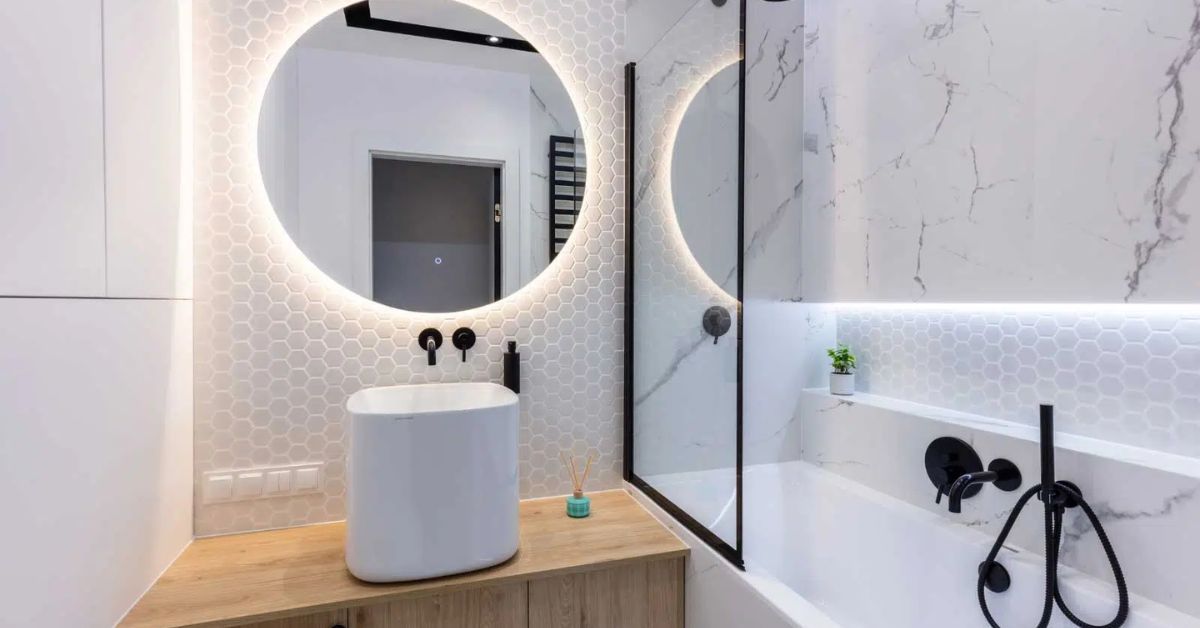
Why “monsoon proof bathroom fixtures” matter
If you live in a climate with a pronounced rainy season, choosing monsoon proof bathroom fixtures is not a luxury — it’s a practical necessity. High humidity, frequent water splashes, and prolonged dampness accelerate corrosion, loosen adhesions, encourage mold growth, and reduce the lifespan of standard bathroom fittings. This guide gives new buyers everything they need: what to look for in products, which materials and finishes last best in high humidity, how to design for ventilation and drainage, shop-smart tips, and a practical buying checklist.
The monsoon problem: what moisture does to bathrooms
Monsoon conditions combine high humidity with frequent water exposure. In bathrooms, this causes:
- Metal corrosion and pitting on taps, rails, and brackets.
- Swelling, delamination, and warping of ordinary wood or MDF cabinets.
- Faster breakdown of sealants and grout, leading to leaks.
- Rust stains on porcelain and chrome finishes.
- Electrical hazards for poorly rated fixtures.
Buying monsoon proof bathroom fixtures reduces all of the above by using materials and designs specifically made to resist moisture and salt-laden air.
What “monsoon proof” actually means for a product
A fixture labelled as monsoon proof should meet several practical standards:
- Corrosion resistance: Materials or coatings that prevent rust (stainless steel grades, brass, anodized aluminum, powder-coated metals).
- Moisture-rated cabinetry: Plywood, marine-grade boards, or moisture-sealed composite panels instead of untreated MDF.
- IP rating for electricals: IP44 or higher for lights and switches in wet zones.
- Durable surface finishes: High-quality electroplating, PVD, or ceramic coatings that won’t peel or stain in humidity.
- Design that sheds water: Concealed fixings, minimal seams, and sloped surfaces for drainage.
When you shop, use this checklist to confirm a product truly qualifies as monsoon proof bathroom fixtures and is not merely “water-resistant” in name only.
Materials that perform best in the monsoon
Choosing the right materials is the fastest way to ensure longevity.
Metals and finishes
- Stainless steel (304/316): 316 stainless is best for coastal and very humid zones; 304 is fine for most urban monsoon areas.
- Brass (nickel-plated or PVD): Brass resists corrosion if sealed and finished properly; prefer reputable PVD or electroplated finishes.
- Powder-coated aluminum: Lightweight and corrosion-resistant when the powder coat is of high quality.
Avoid: plain iron or low-grade steel without proper coating.
Plastics and composites
- ABS and high-grade engineered plastics for shower heads, hand showers, and concealed cistern trims resist moisture without rusting.
- Solid surface and engineered stone for countertops are less porous than natural stone and tolerate moisture well.
Wood, plywood, and boards
- Marine-grade plywood or WPC (wood-plastic composites) is preferable for vanities and cabinets in monsoon conditions.
- If using MDF, insist on moisture-seal treatment and waterproof edge banding.
Fixtures and fittings you should prioritise when buying
Here’s a product-by-product breakdown for buyers who want truly monsoon proof bathroom fixtures.
Taps and mixers
Choose ceramic-disc cartridges, 304/316 stainless bodies, and high-quality finishes. Look for warranties that explicitly cover corrosion.
Showerheads and hand showers
Prefer ABS or stainless components with anti-calc and anti-clog nozzles. Select finishes that won’t flake — PVD or quality electroplating are robust choices.
Railings, towel bars, and brackets
Solid stainless steel or brass with full-length welds outperform hollow, plated alternatives. Concealed-fix brackets reduce water traps that accelerate rust.
Bathroom cabinets and vanities
Go for waterproof carcasses (marine plywood, WPC) and water-resistant finishes. Elevated plinths or wall-hung cabinetry prevent prolonged contact with wet floors during heavy monsoon splashes.
Mirrors and medicine cabinets
Anti-fog backing or silvering with waterproof sealants is ideal. Frameless or fully sealed frames prevent edge corrosion.
Drain covers and gratings
Stainless steel (316 in highly humid zones) or ABS gratings are best. Avoid low-grade chrome-plated steel that peels and rusts.
Exhaust fans and lighting
Choose IP-rated fixtures for wet zones. Exhaust fans with moisture-resistant motors and thermal protection reduce failure rates in the monsoon.
IP ratings and electrical safety — non-negotiable for the monsoon
When selecting electrical fixtures and lights for a bathroom that needs to be monsoon proof, look for IP (Ingress Protection) ratings: IP44 is the common minimum for bathroom zones where splashes may reach; IP65/IP66 is better for directly exposed outdoor or shower-zone applications. Also check for certified safety features—RCD/GFCI protection for circuits serving bathroom outlets and water-heating equipment.
Waterproofing and installation best practices
Even the best monsoon proof bathroom fixtures will fail without good waterproofing and installation.
- Pre-treat walls and floors with a two-coat polymer-modified cementitious waterproofing system before tiling.
- Slope wet-area floors to drains (minimum 1:100 slope recommended) to avoid ponding.
- Use flexible, high-quality sealants (silicone or polyurethane) for joints rather than cheap acrylic.
- Protect cabinet interiors with waterproof membranes or liners — and leave a small clearance above finished floor if possible.
- Ensure electricians use IP-rated junction boxes and route wiring away from potential water ingress.
When installers follow these steps, your monsoon proof bathroom fixtures will actually stay monsoon-proof.
Ventilation, dehumidification, and mold prevention
Design matters as much as materials. Effective ventilation prevents humidity from lingering:
- Install a properly sized exhaust fan wired to the light switch or a humidity sensor so it runs after showers.
- Consider a heat-recovery ventilator or a dehumidifier in very humid homes.
- Use washable, mold-resistant paints on walls and ceilings.
- Maintain grout and sealants — re-seal every 3–5 years or when cracks appear.
These measures keep the environment friendly to monsoon proof bathroom fixtures, extending their life and performance.
Maintenance routine that protects monsoon-proof investments
Owning monsoon proof bathroom fixtures still requires regular care:
- Wipe chrome and PVD finishes weekly to remove salt deposits and soap scum.
- Clean aerators and shower nozzles monthly to prevent clogging.
- Check under-vanity areas for leaks and dry them promptly.
- Reapply silicone at high-stress joints every couple of years.
- Service exhaust fans annually to clear damp dust and keep bearings healthy.
A simple maintenance log will help you spot small problems before they become failures.
Shopping tips and what to ask the retailer
When you go shopping for monsoon proof bathroom fixtures, bring a checklist and ask these questions:
- What grade of stainless steel or brass is used? (Prefer 316 in very humid/coastal zones.)
- Is the finish PVD/electroplated/powder-coated? Ask for the process and expected durability.
- Are the cabinet materials marine plywood or WPC? Insist on moisture-sealed carcasses.
- What is the IP rating of lights and switches?
- Do they offer installation, and do their fitters follow recommended waterproofing processes?
- What warranty covers corrosion and finish peeling?
Insist on product datasheets and written warranty terms — verbal promises won’t help if a finish fails after the first heavy monsoon.
Budgeting: how much extra to expect for monsoon-resistant upgrades
Selecting truly monsoon-ready fixtures and materials typically costs more upfront — estimate a premium of 10–30% over basic fittings, depending on the product category. For example, a stainless steel towel rail or brass mixer with PVD finish will cost more than a simple plated option, and a marine-grade vanity will cost more than an MDF unit. Consider this an investment: reduced replacement and repair costs in future monsoon seasons.
Common mistakes to avoid
- Buying cheap plated fittings without knowing the base metal composition.
- Choosing MDF cabinets without water seal or edge banding.
- Skipping exhaust fans or relying on window-only ventilation.
- Ignoring IP ratings on lights and switches.
- Assuming “stainless” always means rust-proof — check the grade.
Avoid these, and your monsoon proof bathroom fixtures will stay functional and good-looking for years.
Quick decision checklist — what to buy and why
- Stainless steel 304 or 316 towel rails, faucets, and brackets — long-lasting and rust-resistant.
- PVD/electroplated or ceramic-coated tap finishes — durable and non-peeling.
- ABS or stainless shower fittings — low maintenance and corrosion-free.
- Marine plywood or WPC vanities with waterproof laminates.
- IP44+ lights and moisture-resistant exhaust fans.
- High-grade silicone sealants and polymer waterproofing for walls and floors.
- Stainless or ABS drain covers and floor traps.
This checklist helps you prioritize purchases when you’re outfitting a bathroom to be monsoon-ready.
Final words — longevity is planned, not accidental
Buying monsoon proof bathroom fixtures means combining smarter product choices with good installation and routine maintenance. The up-front premium for better metal grades, moisture-resistant boards, and IP-rated electricals pays off in fewer replacements, less rust staining, and a healthier, mold-free home. Use the materials guidance, product-by-product tips, and shopping checklist above to walk into stores confidently and buy fixtures that actually survive the monsoon — not just look good on day one.