
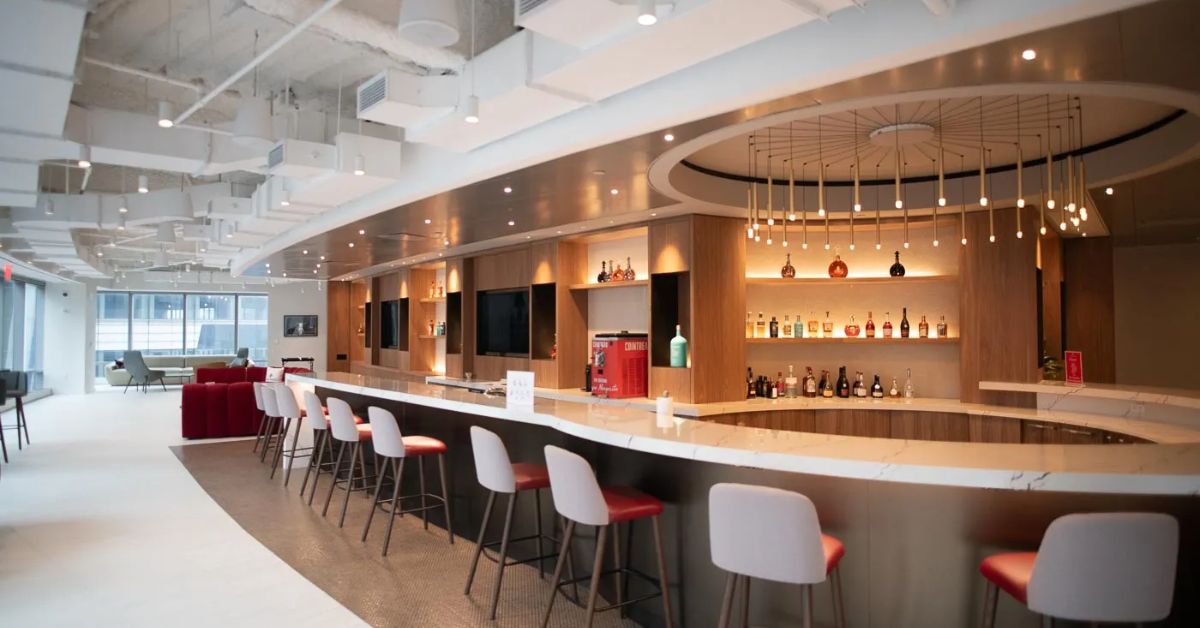
If you’re on the hunt for real-world, hands-on lighting advice, visiting a lighting experience center in Delhi is one of the smartest decisions you can make. These centres are different from ordinary stores — they let you experience light in simulated room setups, test dimming behavior, compare color temperatures side-by-side, and speak with specialists who understand both design and electrical constraints. This guide walks you through everything a new buyer needs to know: why a lighting experience center in Delhi is worth your time, exactly what you should test, product-focused buying tips, technical explanations, installation concerns, and a step-by-step checklist to take with you to the showroom.
Why visit a lighting experience center in Delhi?
A good lighting experience center in Delhi is a living laboratory — not a catalog. Instead of guessing how a chandelier or LED panel will look on your ceiling, you can:
- See finishes, textures, and shadows in real light conditions.
- Experience multiple color temperatures (2700K–5000K) and CRI levels side-by-side.
- Test dimmers and smart controls to evaluate real-world behavior (flicker, minimum brightness, smoothness).
- Assess glare, beam angle, and layering in mock living rooms, kitchens, bedrooms, and outdoor setups.
- Get immediate technical answers (wiring, driver location, ceiling depth) from trained staff.
If you care about how light feels rather than how it looks in a product photo, a lighting experience center in Delhi dramatically reduces risk and buyer’s remorse.
What to expect at the experience centre
When you walk into a professional lighting experience center in Delhi, expect staged rooms that mimic common Indian interiors: living rooms, dining areas, kitchens, bathrooms, balconies, and corporate spaces. Each setup is typically configurable, so you can toggle between warm and cool whites, turn scenes on and off, and compare recessed, pendant, and surface fixtures in the same environment.
Key services to look for:
- Live demos of dimmers and smart-home integrations.
- Technical datasheets for fixture performance (lumens, efficacy, CRI, IP rating).
- Sample-install mockups to check scale and projection.
- Pre-sales consulting for lighting plans and lumen calculations.
- Installation and warranty support options.
A true lighting experience center in Delhi will welcome you to bring in photos, room dimensions, and even paint swatches so staff can recommend fixtures that match your space.
Preparing for your visit — what to bring and measure
To make your showroom time productive, come prepared. A few useful items to bring:
- Room dimensions and ceiling height.
- Photos of the room from several angles and the current furniture layout.
- Paint or material swatches for finish matching.
- Floor plan or rough sketch showing windows and existing fittings.
- Current light-fixture SKU or bulb types (if replacing).
- Your budget range and any brand preferences.
A lighting experience center in Delhi can convert this information into a recommended lumens budget and fixture shortlist on the spot, saving you multiple return trips.
How to test fixtures — hands-on checklist
Testing is the core benefit of any lighting experience center in Delhi. Here’s a product-oriented checklist you should run through for each fixture you’re considering:
- Turn it on and off to check immediate behavior (warm-up time, transient flicker).
- Test dimming across the full range with the exact dimmer type you plan to use. Note the lowest stable brightness.
- Compare color temperatures (2700K vs 3000K vs 4000K) to see which pairings flatter your finishes.
- Inspect beam angle and distribution — does it wash or spotlight? Good centres will have vertical and horizontal test boards.
- Measure perceived brightness from common vantage points (seated, standing, lying in bed).
- Test smart features — color tuning, scene recall, response time, and app intuitiveness.
- Check the finish in natural and cool light to avoid surprises at home.
- Ask for datasheets to confirm lumens, CRI, power draw, and warranty.
A lighting experience center in Delhi should allow you to run these checks and provide clear answers, often with comparison charts for similar fixtures.
Technical specs explained
Understanding a few technical terms will make your visit to the lighting experience center in Delhi far more effective:
- Lumens (lm): total light output. For rooms, determine a target lumen count and distribute it across fixtures.
- Efficacy (lm/W): the fixture’s efficiency — higher is better.
- Color Temperature (CCT): measured in Kelvin. Lower (2700K) = warm; higher (4000K+) = cooler, more clinical.
- CRI (Color Rendering Index): how accurately colors render under the light. Use CRI 80+ for general rooms, 90+ for art or retail.
- Beam Angle: Narrow beams create accent light; wide beams create ambient illumination.
- IP Rating: for bathrooms and outdoor ceilings — IP44 is splash-proof; IP65 or higher for exposed exteriors.
- Driver Location & Type: integral vs remote drivers affect ceiling heat and ease of replacement. Verify driver specs at the lighting experience center in Delhi.
- Dimming Protocol: TRIAC, 0–10V, DALI, or digital wireless — ensure compatibility with your home controls.
- Thermal Management: good heat sinking extends LED life — ask for L70 or L90 lifespan ratings.
When you’re at a lighting experience center in Delhi, ask for the technical sheet for any fixture you like — reliable centers will hand these over readily.
Product-oriented recommendations
Below are practical, product-focused examples you should be able to test at a modern lighting experience center in Delhi. Each entry includes what to test and why it matters.
- Designer Chandeliers (statement pieces)
- Test: hanging height, shadow patterns, sparkle under warm vs cool white.
- Why: chandeliers are visual anchors — ensure the fixture scale matches room dimensions.
- Adjustable Pendant Clusters
- Test: cable length adjustments, diffuser glare, beam overlap when clustered.
- Why: Clustered pendants can create hotspots if beam angles overlap poorly.
- Recessed Downlights and Trim Options
- Test: beam uniformity, ceiling cut-out fit, trim glare control, IC rating for insulation-contact.
- Why: downlights shape ambient light; testing prevents patchy ceilings or thermal problems.
- LED Panels & Surface Mounts for Uniform Light
- Test: perceived surface uniformity, edge glow (for panels), and color consistency across multiple units.
- Why: offices and modern living rooms often rely on panels — verify multiple units match.
- Track Lighting & Spot Systems for Task/Accent
- Test: repositioning heads, beam focus, transformer heat, and dimming smoothness.
- Why: flexibility matters — try different head combinations.
- Outdoor Ceiling Fixtures & Porch Pendants
- Test: water ingress protection, finish durability, and how light plays against masonry at night in a simulated setup.
- Why: outdoor fixtures face the elements — IP and material quality are critical.
- Smart Ceiling Fixtures & Controllers
- Test: app pairing, scene recall, multi-fixture sync, and response time.
- Why: Buying smart fixtures without testing can lead to frustrating user experiences later.
A good lighting experience center in Delhi will let you perform these tests and offer side-by-side comparisons for similarly priced models.
Sizing and placement — avoid the common blunders
Proper scale and placement reduce returns and regrets. At the lighting experience center in Delhi, ask the staff to simulate placement using your room dimensions. Common rules to verify:
- For dining tables: fixtures 30–36 inches above the table surface (adjust for ceiling height).
- For living rooms: central fixtures should complement — not overpower — furniture scale.
- Recessed spacing: roughly half the ceiling height between downlights (in meters/feet appropriate to your space). Ask the centre to run a mock spacing test.
- Foyer and stair fixtures: account for vertical clearance and chords/chain lengths.
Bring your floor plan to the lighting experience center in Delhi and ask for a lighting layout — many centers provide a simple CAD diagram or sketch.
Installation, wiring, and electrician collaboration
Installation is where good purchases become good installations. Discuss these topics at the lighting experience center in Delhi:
- Weight and mounting requirements (especially for heavy chandeliers).
- Junction box compatibility and reinforcement requirements.
- Neutral wire availability — some smart fixtures require a neutral or a specific wiring scheme.
- Driver access for future replacement (remote vs integral).
- Any additional ceiling work (pop ceiling cutouts, capping, or chase wiring).
Many lighting experience centers in Delhi offer bundled installation by vetted electricians. If the centre provides installers, ask for references and a scope-of-work document.
Warranty, returns, and spare parts
Ask the lighting experience center in Delhi for written warranty documents that clearly separate coverage for:
- LED modules and drivers (often with longer warranty).
- Fixture finish and structural parts (may be shorter).
- Smart firmware or app-related support (vendor policy).
Also check spare-part availability and lead-times — especially for imported or custom finishes.
Smart controls, integration & future-proofing
Smart lighting is tempting but can be complex. At a lighting experience center in Delhi, test:
- Whether the fixture needs a hub (Zigbee, Z-Wave) or is hubless (Wi-Fi/Bluetooth).
- App usability, group control, and voice assistant pairing.
- Whether firmware can be updated and who handles updates.
- Integration with existing switches — many homes prefer wall-mounted physical controls plus smart complements.
If you plan to expand smart lighting over time, confirm the ecosystem and compatibility to avoid lock-in.
Bulk purchases, developers & trade buyers
If you’re buying for multiple flats, a villa, or a development project, a lighting experience center in Delhi can help with:
- Batch matching for color consistency across multiple fixtures.
- Trade pricing, staged deliveries, and site support.
- Specification sheets and sample fixtures for mockups.
- On-site lighting audits and tender documents.
Ask about lead times and whether the centre can commit to consistent batch codes — mismatched LED batches can differ in tint.
Customisation, made-to-order options, and lead times
Custom finishes and bespoke shades are common requests. Discuss these at the lighting experience center in Delhi:
- Approval process for finished samples and mock-ups.
- Lead times (commonly 4–12 weeks depending on complexity).
- Non-refundable deposits and change-order policies.
- Guarantees on color matching and finish durability.
Get everything in writing before confirming custom orders.
Sustainability, recycling, and end-of-life considerations
Sustainable lighting choices are increasingly available. When visiting a lighting experience center in Delhi, ask about:
- Recyclable materials and take-back programs for old fixtures.
- Energy consumption comparisons and expected annual kWh cost savings.
- LED modules with replaceable chips (extend fixture life vs full replacement).
- Packaging reduction and responsible sourcing claims.
Sustainability is both an ethical and cost consideration over the product lifecycle.
Frequently Asked Questions
Q: How many lumens do I need for a 12×15 ft living room?
A: Typical targets range 1,800–3,000 lumens total; a lighting experience center in Delhi can break this down per fixture and show you fixture combinations that meet target lumens while maintaining ambience.
Q: Will the showroom dimmer match my home dimmer?
A: Always bring or document the exact dimmer model and ask the lighting experience center in Delhi to test with that dimmer type (or provide a compatible alternative).
Q: How long are lead times for imported or custom pieces?
A: Lead times vary; the lighting experience center in Delhi will provide current estimates — always confirm in writing.
Final checklist — what to take away from the visit
Before you leave the lighting experience center in Delhi, ensure you have:
- SKU numbers and model codes for shortlisted fixtures.
- Datasheets listing lumens, CCT, CRI, IP, driver specs, and warranty.
- A written installation estimate or referral to a certified electrician.
- Dimmer/driver compatibility confirmation and sample bulbs, if applicable.
- Delivery/lead-time and return policy in writing.
This paperwork is your safeguard if anything goes wrong after installation.
Conclusion
A lighting experience center in Delhi is more than a place to buy products — it’s a hands-on resource that helps you visualize, test, and validate lighting choices before commitment. For new buyers, spending an hour or two at the right centre often saves weeks of revisions, additional spend, and poor lighting outcomes. Use the checklists and testing steps in this guide when you visit, keep the technical datasheets, and partner the showroom’s installation team with a trusted electrician for the best results.