
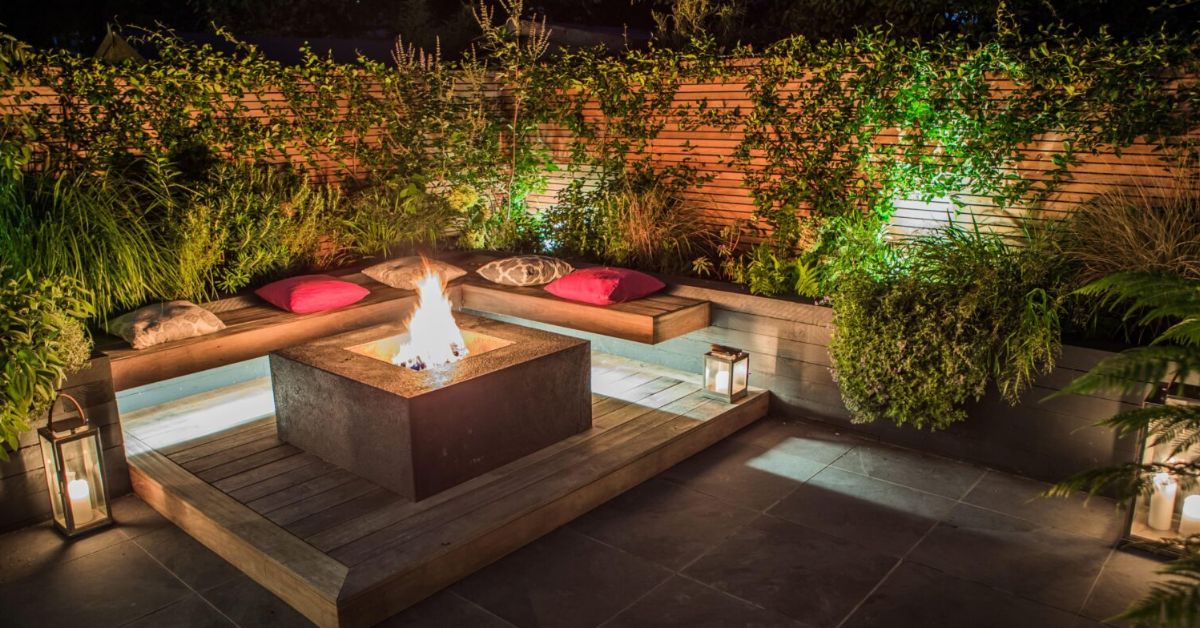
Designing outdoor lighting that lasts and looks great through heat, dust, and monsoon seasons takes a little knowledge and the right fixtures. This comprehensive guide to Garden Lighting Ideas & Best Fixtures for Indian Weather tells a new buyer everything they need to know: how to plan lighting for lawns, paths, trees and water features; what technical specs to demand (IP, CRI, CCT, lumen output); solar vs mains trade-offs; durable materials and finishes for coastal and inland climates; wiring and surge protection; maintenance calendars that handle monsoon rains; and sample RFQ lines so you get apples-to-apples quotes.
Throughout, I’ll be product-oriented and practical — the sort of guide you can use when visiting a showroom, briefing an electrician, or ordering fixtures online.
Why climate matters for garden lighting
When you search for Garden Lighting Ideas & Best Fixtures for Indian Weather, you’re not just choosing a style. You’re choosing reliability. The combination of high humidity, heavy rain during monsoon months, intense summer heat, dust, and occasional saline air near coasts stresses fixtures in ways indoor lights never suffer. The right fixtures reduce failures, limit corrosion, and keep your installation safe and low-maintenance.
Start with the plan — zones, tasks, and scenes
Good garden lighting begins with zones and tasks, not fixtures. Break your outdoor space into:
- Approach & path lighting (safety): guide visitors from the street to the door.
- Porch & entry (function + welcome): light the entrance without glare.
- Lawn & open zones (ambient): soft wash for gatherings.
- Feature & accent (trees, sculptures, planters): focused beams to highlight focal points.
- Deck, pergola & seating (task + mood): layered light for dinners and parties.
- Water features & pool (special considerations): underwater-rated fixtures and safety rules.
- Security lighting: bright, controlled illumination; integrates with sensors.
Once zones are mapped, decide scenes: “welcome”, “dinner”, “party”, “night-safe”, and “off” — modern controls will let you recall these easily.
Fixture types & where to use them
Below are the most reliable fixture types for the climate and their product specs to demand when you’re buying.
1. Path lights/stake lights
- Use: edges, walkways, low-level guidance.
- Specs to demand: 300–700 lm per fixture for main paths, 200–300 lm for subtle garden edges; CRI ≥ 80; 2700–3000K for warm, inviting glow; IP65 minimum; powder-coated aluminum or marine-grade stainless steel (316).
- Notes: Choose diffused optics to avoid glare. For dusty climates, prefer sealed units with gasketed tops.
2. Bollard lights
- Use: stronger path lighting and small plazas.
- Specs: 600–2000 lm depending on spacing; IP65; 24V DC options for low-voltage runs; tamper-resistant fastenings; replaceable LED modules and driver access.
- Notes: Powder coating and baseplates with drainage holes reduce water pooling.
3. Uplights / In-ground well lights (for trees and facades)
- Use: tree up-lighting and facade accent.
- Specs: IP67 or IP68 rated for buried applications; stainless steel (316) trim; tempered glass lens; 3–12W high-output COB options for small trees, 10–30W for large trees/buildings; beam angles 10°–60° based on desired effect.
- Notes: Must have protected junction boxes and accessible service hatches.
4. Spotlights & adjustable outdoor heads
- Use: focused accent on sculptures, palms, and signage.
- Specs: 5–20W LED COB with interchangeable lenses; CRI ≥ 90 for textured surfaces; IP65–IP66; corrosion-resistant finishes.
- Notes: Aim for narrow beams for dramatic uplighting, wider beams for washing.
5. Floodlights
- Use: security and wide-area illumination.
- Specs: 10W–150W LED options; IP65+; at least 100 lm/W efficacy for energy savings; consider integrated motion sensor models; 3000–4000K depending on ambience vs security needs.
- Notes: Provide shielding or optics to avoid neighbor glare.
6. Linear strip & architectural washers (for pergolas, walls)
- Use: under-rail, cove, or wall-wash effects.
- Specs: 8–20W/m with diffusers; silicon-sealed joints; IP65 for covered outdoor, IP67 for exposed runs; choose 24V DC class for safety.
- Notes: Avoid adhesives in full-sun runs — mechanical fixing is more durable.
7. Deck & step lights
- Use: safety on steps, deck perimeters.
- Specs: Recessed or surface-mount, IP65, low glare, 1–6W, warm 2700–3000K, integrated with motion or dimming scenes.
- Notes: Make sure fixtures are rated for foot traffic if installed in treads.
8. String & decorative lights
- Use: soft ambience for parties and seating areas.
- Specs: Use outdoor-rated SPT-1 or SPT-2 cabling, bulbs, or integrated LED with IP65 sockets; choose shatterproof globe materials; transformer or driver secured ina dry location.
- Notes: For monsoon-prone areas, keep quick-disconnects elevated and dry.
9. Solar garden lights (panel + battery)
- Use: low-power accent when wiring is difficult.
- Specs: Panel wattage 2–20W, depending on lumen target, LiFePO4 or Li-ion batteries (10–50Wh typical for path lights), MPPT charge controller preferred, IP65 for fixture and panel.
- Notes: Solar works best for isolated points and in open sky locations — dense tree cover reduces performance. For reliability during cloudy monsoon weeks, choose larger batteries and higher-efficiency panels.
10. Underwater & pool fixtures
- Use: pools, fountains.
- Specs: IP68-rated, low-voltage (12V / 24V) LED fittings, stainless steel or brass body, tempered glass, GFCI-protected circuits, and compliance with local pool safety codes.
- Notes: Install only with certified pool lighting kits and isolating transformers.
Key technical specs buyers must demand
When you’re sourcing fixtures for Garden Lighting Ideas & Best Fixtures for Indian Weather, insist suppliers provide these specs in writing:
- IP rating: IP65 minimum for exposed fixtures; IP67/IP68 for in-ground or submerged units.
- Material & finish: marine-grade stainless steel (316) or powder-coated aluminium with epoxy primer; brass for decorative elements that need polishing.
- Driver details: constant current or voltage, surge protection (SPD), operating temperature range (-20°C to +50°C or higher), replaceability, and ventilation/heat sink design.
- LED module & efficacy: lm/W target (≥90 lm/W desirable), lumen output per fixture, L70 rating (≥50,000 hours preferred).
- CCT & CRI: specify CCT (2700–3000K for warm ambience; 3000–4000K for functional areas) and CRI (≥80 general; ≥90 for plant/flower color fidelity or sculptures).
- Warranty: minimum 3 years on fixtures and drivers; 5 years preferred for premium buys.
- Certifications: CE/IS/UL safety marks where applicable, and fire/safety approvals for underwater or high-voltage installations.
Power choices: low-voltage mains vs solar vs mains 230V
- Low-voltage 12/24V DC systems are safe and popular for gardens — they allow flexible layout, smaller conduits, and easier DIY for some fixtures. Use quality, centralized drivers or remote power supplies rated for outdoors or housed in ventilated, weatherproof enclosures.
- Mains 230V fixtures reduce cable voltage drop and can be more economical for high-output floodlights, but require proper weatherproof junctions and earthing. Only certified electricians should wire mains outdoor lighting.
- Solar is superb for remote spots and reduces trenching costs. Choose MPPT controllers and LiFePO4 batteries for long life. Remember, monsoon and shaded areas reduce solar performance — size panels and batteries conservatively to maintain runtime.
Wiring, surge protection & safety
- Use outdoor-rated cable (FRLS, UV-stable sheathing) in conduit where possible. Burying cables without conduit invites rodents and damage.
- Install surge protection devices (SPD Type II) at distribution points to protect drivers from lightning-induced surges — especially crucial during monsoon/heat seasons.
- Provide RCD / GFCI protection for circuits near water features and pools.
- Use local isolation switches and clearly labelled distribution points for easier servicing.
- Always use an earthing ring and bonded metalwork for safety and lightning dissipation.
Hire a licensed electrician and ask for a single-line wiring diagram, cable sizes, and IP-rated junction box locations before work begins.
Controls: timers, sensors, and smart scenes
Controls both save electricity and make your garden more usable.
- Timers & astronomical clocks for basic on/off scheduling.
- Light sensors (photocells) to auto-turn on at dusk; pair with timers to turn off at a set hour.
- Motion sensors for security—choose microwave or dual-tech for false-trigger resistance. Ensure sensors are IP65 and mounted sheltered from direct rain.
- Wireless mesh smart systems (Zigbee/Bluetooth/LoRa): allow zone scenes, dimming, and app control without heavy rewiring. Look for outdoor-rated nodes and gateways.
- Dimming & color control: opt for 0–10V or DALI drivers for precision dimming on mains systems; for solar setups, use PWM dimming via controllers.
When specifying smart control, confirm the system’s temperature rating, IP protection, and app/cloud dependencies — local control without cloud dependence is often more reliable.
Design tips & ideas — practical inspiration
- Silhouette planting: place uplights behind sculptural plants to reveal their form at night. Use narrow beams (10–15°) for drama.
- Layered lighting: combine 300–400 lux ambient for seating zones, 200 lux for pathways, and 600–1000 lux for feature displays during events.
- Warm accents: pair warm 2700–3000K lights on seating and steps with cooler 3500–4000K for service areas (kitchen pass, BBQ).
- Rule of thirds: avoid uniform spacing; cluster some lights and leave darker pockets to create depth.
- Hide the source: bury uplight fixtures behind stones or in planting beds, so viewers see the effect, not the lamp.
- Reflections: Use low-angle uplights for water features to add shimmer without blinding viewers.
Plant-friendly lighting
Light affects plants — both positively and negatively.
- Use warm CCT (2700–3000K) for ornamental foliage to preserve natural colors at night.
- Avoid sustained, high-intensity lighting on sensitive flowering plants — limit duration with timers.
- For edible gardens, minimize blue-rich light at night to avoid affecting plant cycles.
- Choose fixtures with minimal UV emission (LEDs typically emit little UV) to avoid attracting pests.
Maintenance for monsoon & dusty conditions
Routine care is essential where heavy rains and dust occur:
- Quarterly checks: clean lenses, check gaskets, reseal if needed, and inspect for corrosion.
- Post-monsoon inspection: check junction boxes for water ingress, replace any soaked drivers, and verify earthing.
- Annual driver replacement: for fixtures with inaccessibly mounted drivers, consider scheduled proactive replacement in harsh sites.
- Spare inventory: keep spare gaskets, drivers, and lenses on hand for quick swaps.
- Avoid pooling around fixtures — ensure proper drainage and elevated mounts for ground lights.
Use neutral pH cleaners and soft cloths; avoid solvents that can degrade seals and paints.
Copy-paste RFQ lines for suppliers
- “Supply & install 10No. LED path lights, 300 lm, 3000K, CRI ≥ 80, IP65, powder-coated aluminium, replaceable driver, warranty 3 years. Include 24V DC centralized driver & mounting accessories.”
- “Supply & install 4No. in-ground uplights, IP68, 12W COB, 10° lens, 3000K, 316 stainless steel trim, tempered glass, L70 50,000 hrs, include service access box.”
- “Provide solar option: 10W panel + 20Ah LiFePO4 battery + MPPT controller, integrated 12W LED fixture, autonomy 3 nights at 4 hours/night, include mounting pole.”
These lines keep quotes comparable and make procurement straightforward.
Final checklist before you buy
- Have you mapped zones and chosen scenes?
- Are IP ratings appropriate for each fixture location (IP65 for exposed, IP67/68 for in-ground/wet)?
- Are materials corrosion-resistant for coastal or saline environments?
- Is surge protection and RCD/GFCI included in the electrical scope?
- Do smart controls meet local connectivity and offline operation needs?
- Is the supplier providing IES files, warranties, and a maintenance schedule?
Conclusion
Choosing the right options from the many Garden Lighting Ideas & Best Fixtures for Indian Weather means matching fixtures to climate, scene, and maintenance realities. Specify IP ratings, stainless or powder-coated finishes, quality drivers with surge protection, and smart or low-voltage control where it makes sense. With the planning, RFQ lines, and maintenance schedule above, you’ll be able to brief suppliers, compare quotes, and create a durable, beautiful garden lighting scheme that weathers sun, dust, and the monsoon with confidence.