
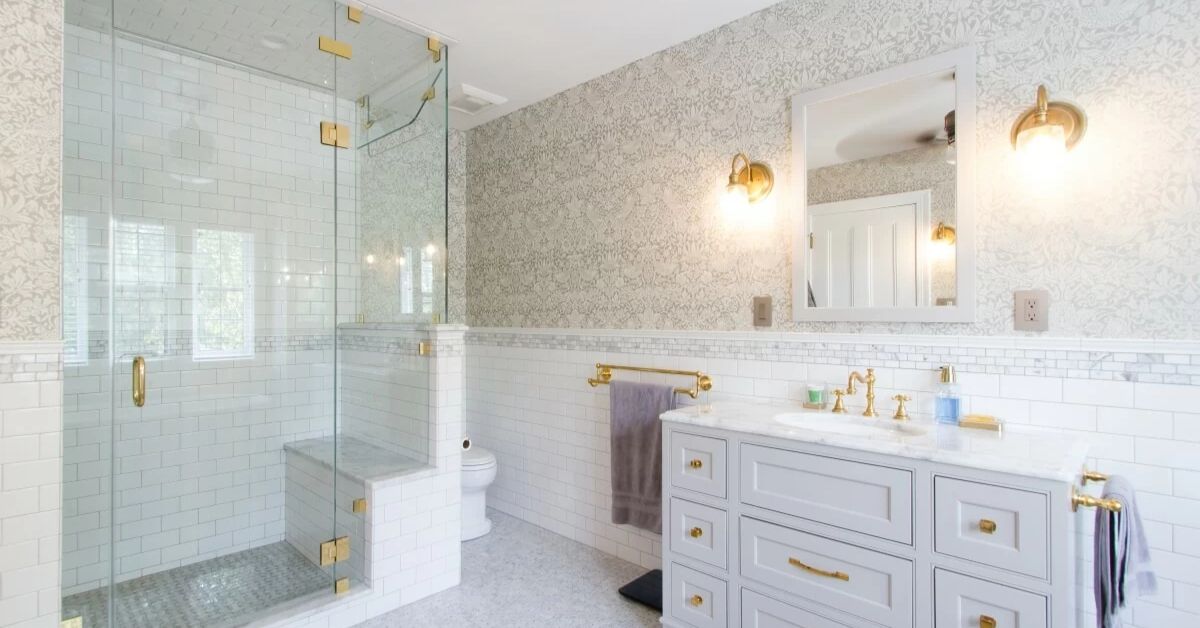
Welcome — if you’re standing at the beginning of a bathroom project, this Complete Bathroom Buying Guide is written for you. Whether you’re fitting out a small powder room, remodeling a family bathroom, or designing a luxurious master suite, this guide walks you through every decision a new buyer faces: measurements, layouts, essential products, budget planning, shopping tips, and maintenance. Read on to turn overwhelming choices into confident purchases.
Why do you need a Complete Bathroom Buying Guide
Bathrooms mix plumbing, electricity, cabinetry, and finishes in a small space. Mistakes become expensive and time-consuming. The Complete Bathroom Buying Guide helps you avoid those mistakes by prioritizing what matters: layout first, then plumbing and ventilation, then fixtures and finishes. Planning with product specifications in mind saves money and delivers a bathroom that works for years.
Step 1 — Define goals, style, and scope
Before you shop, ask:
- Who will use the bathroom (kids, elderly, couples)?
- What style do you want (modern minimalist, classic, industrial, farmhouse)?
- Is this a full renovation or a refresh?
- Will the layout change or stay the same?
The Complete Bathroom Buying Guide recommends creating a simple mood board and a must-have list (e.g., walk-in shower, double vanity, heated towel rail). This defines product choices and prevents impulse buys.
Step 2 — Measure carefully and create a layout
Accurate measurements are the backbone of good buying decisions. Measure ceiling height, door swings, window positions, and existing plumbing locations. Sketch the room to scale or use a free layout app.
Key clearances to respect:
- Toilet: 760–800 mm of clearance in front (adjust to local standards).
- Vanity: Depth and knee clearance for comfort.
- Shower door swing or glass panel placement.
Using the Complete Bathroom Buying Guide checklist for measurements will ensure that the fixtures you buy will actually fit and function.
Step 3 — Set a realistic budget and allocate it
A bathroom budget covers three main categories: materials (tiles, paint), fixtures (toilets, showers, taps), and labor (plumber, tiler, electrician). Typical allocation:
- 40% labor, 40% fixtures & finishes, 20% contingencies and extras.
The Complete Bathroom Buying Guide suggests adding a 15% contingency for hidden issues such as water damage or unexpected plumbing updates.
Choosing fixtures — toilets, basins, showers, and tubs
Fixtures define function and aesthetics. Here’s a deep dive into product choices.
Toilets
Options include close-coupled, wall-hung, back-to-wall, and one-piece models. Consider:
- Flush types: single-flush vs dual-flush (water-saving).
- Rough-in size and the waste pipe position.
- Seat quality and quick-release hinges for cleaning.
The Complete Bathroom Buying Guide recommends selecting a toilet after you finalize layout and measure rough-in distance.
Basins and Vanities
Choose a basin style that matches use: countertop basins, under-mount, semi-recessed, or integrated basin-vanity units. For vanities:
- Look for soft-close drawers, internal organizers, and durable finishes (moisture resistant).
- Material options: MDF with waterproof coating, solid timber, or engineered stone countertops.
When shopping, the Complete Bathroom Buying Guide advises testing drawer capacity and ensuring plumbing traps fit inside the cabinetry.
Showers and Tubs
Showers: fixed head, handheld, or dual systems. Consider thermostatic mixers for a stable temperature. For enclosures, frameless glass feels modern but costs more.
Baths: freestanding tubs add luxury but need space and a strong floor. Acrylic tubs are light and warm to the touch; cast iron is durable but heavy.
The Complete Bathroom Buying Guide walks you through choosing shower valves, heads, and enclosure types based on water pressure and user needs.
Taps and mixers — function meets finish
Taps influence water flow, maintenance, and style. Options:
- Single-lever mixers for ease of use.
- Wall-mounted taps save counter space.
- Ceramic disc cartridges last longer than older washer-style mixers.
Finish choices (chrome, brushed nickel, matte black) affect maintenance and look. The Complete Bathroom Buying Guide suggests picking a finish that hides water spots if you prefer low maintenance.
Tiles, flooring, and wall systems
Tile selection affects waterproofing, safety, and mood. Tips:
- Floor tiles: pick anti-slip rated tiles for wet areas.
- Wall tiles, whether porcelain or ceramic, are durable and easy to clean.
- Grout: Choose darker grout in high-traffic wet areas to reduce staining.
Underfloor heating? Plan electrical or water-based heating before tiling. The Complete Bathroom Buying Guide recommends ordering extra tiles (10%–15%) to allow for cuts and future repairs.
Lighting and ventilation
Good lighting layers include ambient (ceiling), task (mirror lighting), and accent (cove or downlights). Choose LED fixtures for longevity and efficiency. For mirrors, use diffused, shadow-free lighting for grooming.
Ventilation prevents mold: extract fans should match room size and run time. The Complete Bathroom Buying Guide stresses pairing ventilation with automatic timers or humidity sensors.
Plumbing, water pressure, and hot water systems
Understand your home’s water pressure; some showers and mixers require minimum pressure or a pump. Check hot water capacity — a family may need a larger tank or an on-demand system.
When selecting fixtures, the Complete Bathroom Buying Guide recommends confirming compatibility with your hot water system to avoid poor performance.
Accessibility and future-proofing
If aging-in-place or universal design is a factor, plan wider doorways, curbless showers, grab rails, and lever taps. Anti-scald valves and non-slip flooring are simple, cost-effective upgrades. The Complete Bathroom Buying Guide includes a checklist for accessibility features to add during planning.
Materials and finishes — durability vs budget
High-use bathrooms need tougher finishes. Consider:
- Solid-surface benchtops over laminates in wet areas.
- Powder-coated or stainless steel hardware for corrosion resistance.
- Waterproof wall panels where tiles aren’t desired.
The Complete Bathroom Buying Guide helps you prioritize which surfaces deserve higher investment for longevity.
Shopping tips — where to buy and what to compare
When buying:
- Compare specifications: dimensions, flow rates, warranty terms.
- Look for certifications on water efficiency.
- Order samples of tiles and paint to see them in your bathroom light.
The Complete Bathroom Buying Guide recommends buying major items (vanity, shower tray, bath) before tiling and final finishes to ensure fit and coordination.
Installation — coordinating trades and timing
A smooth install requires a project plan:
- Demolition and strip-out
- Plumbing and electrical rough-in
- Waterproofing and screeds
- Tiling and cabinetry
- Fit-off of fixtures and finishing touches
The Complete Bathroom Buying Guide advises hiring licensed trades and getting written quotes. Always allow extra days for drying, inspections, and unexpected fixes.
Maintenance and warranty — what to expect after buying
Choose products with good warranty coverage and accessible spare parts. Maintain taps and cartridges, clean grout regularly, and check seals. The Complete Bathroom Buying Guide includes an owner’s maintenance checklist to keep your bathroom operating well and looking new.
Eco-friendly choices and water savings
Reduce water use with dual-flush toilets, low-flow aerators, and efficient shower heads. Consider durable materials that require less frequent replacement. The Complete Bathroom Buying Guide encourages shopping for products with clear efficiency ratings and long warranties.
Common mistakes new buyers make (and how to avoid them)
- Buying fixtures before measuring — always measure first.
- Ignoring ventilation — leads to mold and odours.
- Choosing trendy finishes over durable ones — balance style with function.
- Skipping professional waterproofing — a costly mistake.
Keep this Complete Bathroom Buying Guide checklist handy to avoid these pitfalls and make practical, cost-effective choices.
A practical shopping checklist (printable)
- Room measurements (including ceiling height)
- Layout sketch to scale
- Budget breakdown and contingency
- Toilet model and rough-in confirmation
- Basin + vanity dimensions and storage needs
- Shower type, tray, enclosure, and valve spec
- Tap finishes and cartridge type selected
- Lighting plan (ambient, task, accent)
- Ventilation capacity or sensor plan
- Tile samples and quantities ordered (+10–15%)
- Labour quotes and timelines confirmed
- Warranties and spare parts supplier list
Use this checklist from the Complete Bathroom Buying Guide during store visits and contractor meetings.
How to prioritize when the budget is tight
If you must choose, prioritize:
- Waterproofing and structural integrity
- Good quality plumbing fixtures (toilet, mixer)
- Proper ventilation and lighting
- A vanity with durable finishes
The Complete Bathroom Buying Guide suggests spending more on items that are hard to replace later (pipes, waterproofing) and saving on cosmetic items that can be updated.
Final walkthrough — making the purchase and schedule
Before final payment:
- Inspect delivered items for damage.
- Confirm dimensions against the final layout.
- Get installation dates in writing and a payment schedule tied to milestones.
The Complete Bathroom Buying Guide recommends keeping a folder (digital or physical) with receipts, warranties, and product manuals for future maintenance.
Conclusion
Renovating or buying fixtures for a bathroom is a big task, but with the right plan, it’s entirely manageable. This Complete Bathroom Buying Guide has given you the planning steps, product knowledge, shopping tips, and checklists to approach your project confidently. Prioritize layout, waterproofing, ventilation, and durable fixtures — and don’t forget to buy a few extra tiles.
If you’d like, I can turn this guide into a printable checklist or a shopping spreadsheet with estimated budgets for each item category. Tell me what format you prefer, and I’ll prepare it.