
Why Modular Lighting Matters for Delhi Projects
Suppose you’re searching for Modular Lighting in Delhi. In that case, you’re likely planning a retail fit-out, an office upgrade, a hospitality space, a showroom, or a modern home where flexibility, maintenance, and visual control matter. Modular lighting replaces monolithic fixtures with configurable, replaceable modules — allowing you to change the length, add spot modules, swap color temperatures, or upgrade optics without removing the entire luminaire. This makes modular systems ideal for Delhi’s evolving commercial and residential spaces.
In this guide, you’ll find: what modular lighting is, the main product types, technical specs to insist on, installation and maintenance best practices for Delhi climate and building stock, ROI math you can use in procurement, and tips on where to source or what to ask suppliers. Read on — or jump to the section you need.
What is Modular Lighting?
Modular lighting is a lighting approach built from standardized, interchangeable modules (light engines, optics, drivers, and profiles) that can be assembled, reconfigured, repaired, or upgraded with minimal effort. Think of it as a building-block system for light: linear segments, spot modules, diffusers, and connectors snap together to create continuous lines, islands, or track systems. The main idea is flexibility and longevity: replace one part, not the whole fixture.
Why Buyers in Delhi Should Consider Modular Lighting
Modular lighting offers advantages that map directly to real buyer needs in Delhi:
- Flexibility for changing layouts: Retail displays, exhibition spaces, and office layouts change often — modular systems adapt without a full refit.
- Lower lifecycle cost: Replace a module or driver, not the entire fixture — reduces maintenance spend over time.
- Faster installation: Pre-configured modules and plug-in connectors speed up onsite assembly, reducing labor costs for contractors.
- Upgradability: Swap in higher-efficacy LED modules or new optics as technology advances — good for long-term projects.
- Design freedom: Create long, continuous lines, L-shapes, nodes, spotlight clusters, and more with the same platform.
These benefits make Modular Lighting in Delhi especially attractive for developers, retailers, and offices where change is frequent and downtime is expensive.
Main Product Types
When buyers search for Modular Lighting in Delhi, they usually mean one or more of the following product families:
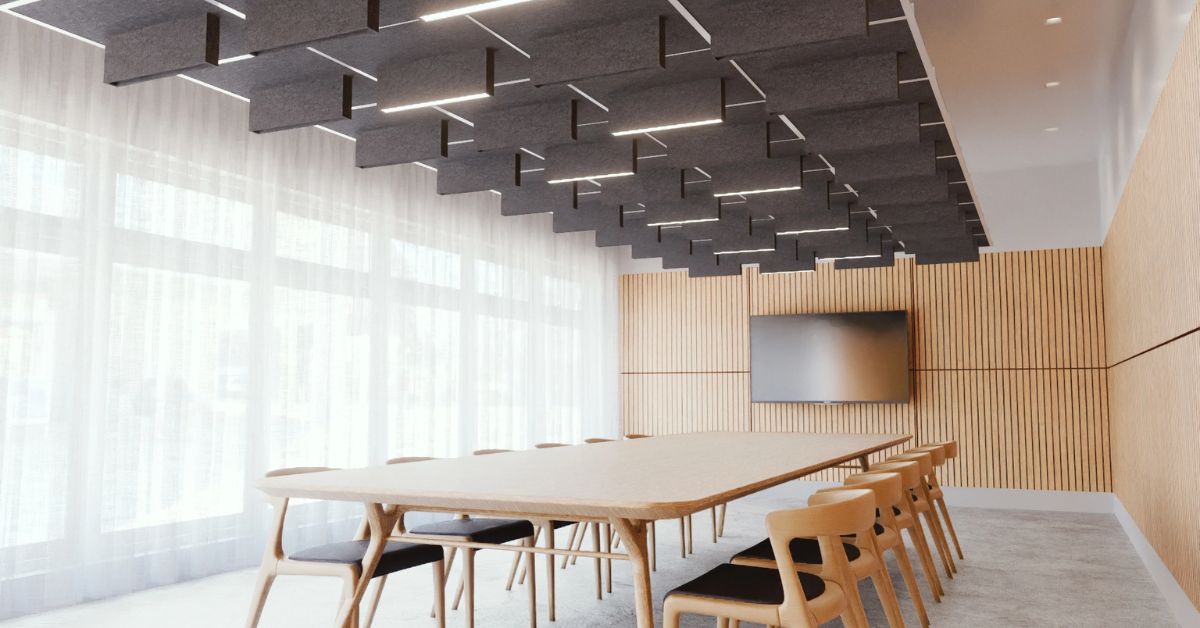
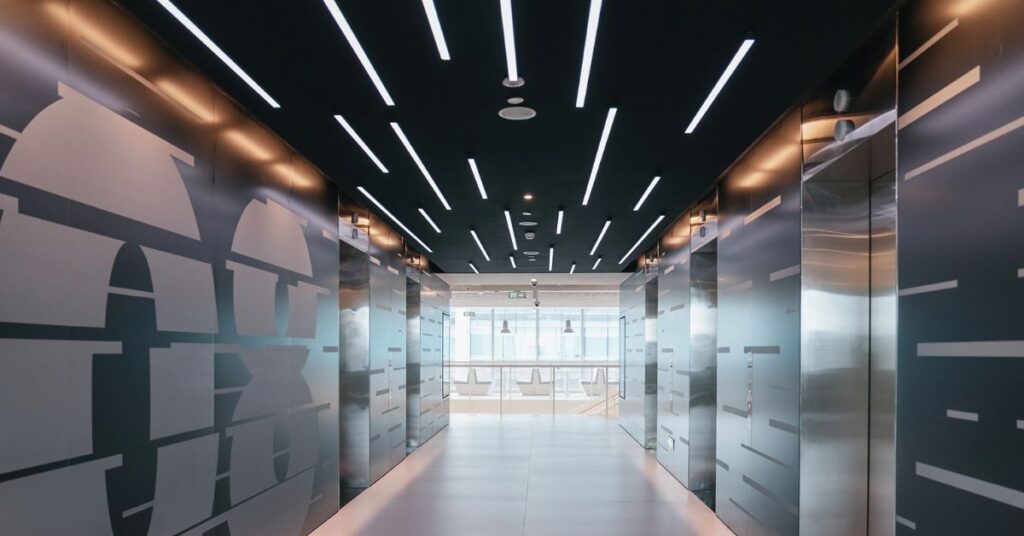
- Modular Linear Systems (continuous lines): Connectable linear LED modules that form long runs for aisles, corridors, reception areas, and modern offices. Ideal where seamless light is desired.
- Track & Spot Modular Systems: Tracks (48V or mains) that accept moveable spot modules, pendants, and accessories — common in retail and galleries for directional highlighting.
- Modular Downlights & Pendant Modules: Interchangeable light engines and bezels for clean ceilings; easy color-temp swaps and beam changes.
- Outdoor Modular Luminaires: IP-rated modules for façades and landscape lighting (useful for hospitality and corporate exteriors in Delhi).
- Custom Configurators: Many vendors offer online or offline configurators where you build the run, choose optics, drivers, and accessories.
Key Components Explained
If you’re evaluating quotes for Modular Lighting in Delhi, learn these component names:
- Module / Light Engine: The LED board (COB or discrete LEDs) plus local optics. It defines lumens, CCT, and CRI.
- Carrier / Profile: Aluminum channel that mounts to ceilings/walls and provides mechanical support and thermal dissipation.
- Connector & Joiner: Electrical and mechanical joins between modules — look for tool-less, IP-rated connectors for outdoor use.
- Driver: SMPS that converts mains to constant current. Choose branded drivers with protections and dimming options.
- Diffuser / Lens: Softens or shapes the light — frosted diffusers for uniform lines, lenses for controlled beams.
- Mounting & Accessories: Suspensions, surface mounts, end caps, reflectors, and controllers.
Technical Specs Every Buyer Must Check
When procuring Modular Lighting in Delhi, don’t be distracted by only wattage. Focus on output, quality, and longevity.
- Lumens & Efficacy (lm & lm/W): Compare lumens per watt rather than watts. Higher lm/W = lower long-term energy cost.
- CCT (Kelvin): 2700–3000K warm, 3500–4500K neutral, 5000–6500K cool daylight. Match to the space — retail often uses 3000–4000K, offices 4000K.
- CRI (Ra): CRI ≥ 80 for most commercial uses; CRI ≥ 90 for showrooms and hospitality where color rendering matters.
- Lumen Maintenance (L70): Look for L70 values (e.g., 50,000 hrs) from LM-80 testing if available.
- IP/ IK Rating: For Delhi exteriors or semi-open spaces, choose IP65+ and suitable IK impact ratings.
- Dimming Protocols: DALI, 1–10V, or Bluetooth/DMX — ensure compatibility with building controls.
- Surge & Thermal Protection: Drivers with surge protection and thermal cutoffs are essential in Indian electrical conditions.
- Warranty & Service: Check driver vs module warranty and whether the supplier has local service in Delhi/NCR.
Choosing the Right System for Typical Delhi Applications
Here are practical recommendations when specifying Modular Lighting in Delhi:
- Retail / Showrooms: Use modular track systems and tunable CCT modules to highlight products; prefer CRI ≥ 90 for apparel and color-sensitive goods.
- Offices & Co-working: Continuous linear modules (4000K, CRI 80–90) with indirect uplight options for visual comfort. Integrate with DALI for zonal control.
- Hospitality / Restaurants: Mix linear ambient runs with modular pendants and accent spots; 2700–3000K for warm ambience.
- Industrial & Warehouses: Rugged modular high-output linear fixtures with IP65 and effective thermal management.
- Homes / Apartments: Slim modular profiles in kitchens and living areas; track + spot for flexible accenting.
Installation & Retrofitting — What to Expect on Site
One major selling point of Modular Lighting in Delhi is reduced onsite labor if systems are pre-configured:
- Pre-assembly offsite: Most modular systems allow pre-assembly of runs with plug-in connectors, which reduces time spent working at height.
- Wiring & Circuits: Decide whether to use low-voltage (48V) track or mains tracks; low-voltage is safer for track lamps but requires compatible modules and drivers.
- Mounting Heights & Optics: Choose beam angles based on mounting height—narrow beams for high displays, wide beams for general illumination.
- Earthing & Surge Protection: Add SPDs (surge protection devices) at distribution boards to protect drivers from transient spikes common during thunderstorms.
- Coordination with HVAC & Ceilings: Ensure profiles fit plenum/false ceiling depths; check for thermal clearance.
Maintenance, Spares & Warranties — plan for the lifecycle
Good modular strategies include a spare strategy: keep a small inventory of spare modules and drivers on site. Benefits:
- Fast replacement: Swap a driver or module in minutes.
- Lower inventory waste: You keep only modules that match installed runs.
- Warranty clarity: Insist separately stated warranty for LED modules and drivers; confirm whether labor is covered or only parts.
Controls, Smart Integration & Energy Savings
Modern Modular Lighting in Delhi systems often integrate controls:
- DALI or DALI-2: For scalable zone control and advanced commissioning.
- Wireless (Bluetooth Mesh, Zigbee): Easier retrofits without extra comms cabling.
- Sensors: Occupancy and daylight harvesting reduce run hours in transitional spaces.
Cost & ROI — a simple worked example
Below is a conservative example calculation that new buyers can use to estimate savings when switching to modular LED modules.
Assumptions (example):
- Old luminaire: 100 W conventional lamp (e.g., metal halide) per fixture.
- New modular LED module: 40 W per fixture (same delivered lumens because LED is more efficient).
- Operating hours: 10 hours/day.
- Electricity tariff: ₹10 per kWh (example).
- Number of fixtures: 1 (we’ll then scale).
Step-by-step energy math for one fixture (digit-by-digit):
- Convert watts to kilowatts: 100 W = 0.100 kW; 40 W = 0.040 kW.
- Daily energy (old): 0.100 kW × 10 h = 1.000 kWh/day.
- Daily energy (new): 0.040 kW × 10 h = 0.400 kWh/day.
- Daily saving: 1.000 − 0.400 = 0.600 kWh/day.
- Annual saving: 0.600 kWh/day × 365 days = 219.000 kWh/year.
- Annual cost saving: 219.000 kWh × ₹10/kWh = ₹2,190.00/year per fixture.
Scale to 20 fixtures:
7. Annual saving for 20 fixtures: ₹2,190 × 20 = ₹43,800/year.
This example excludes maintenance savings (fewer lamp changes, fewer down-times), and assumes comparable light output — always confirm delivered lumens or run a photometric layout. Use the same step-by-step approach with your specific wattages, hours, and local tariff to estimate payback. (If Delhi tariff differs for your category, substitute the correct ₹/kWh.)
Comparing Vendors & What to Ask (the supplier checklist)
When requesting quotes for Modular Lighting in Delhi, use this checklist:
- IES files & photometric reports for the actual module + driver combination.
- LM-80 / LM-79 test reports or equivalent performance data.
- Driver brand and protections (surge, short circuit, thermal).
- IP & IK ratings for intended locations.
- Dimming compatibility and control options (DALI/Bluetooth/DMX).
- Sample modules for onsite visual approval.
- Detailed warranty terms — differentiate module and driver coverage and response times in Delhi/NCR.
- Spare parts availability and local service contact.
- Installation drawings and mounting details (suspension lengths, ceiling cutouts).
- References or case studies for similar Delhi projects.
Who Makes Modular Lighting in India
India now has several established lighting brands and distributors that offer modular solutions and local service in Delhi/NCR. Global brands also have authorized distributors and offices in India. When sourcing Modular Lighting in Delhi, consider established players who offer test reports, configurators, and local service. Examples of vendors and brands to evaluate include well-known lighting companies that serve Indian commercial projects.
Common Mistakes New Buyers Make — and how to avoid them
- Buying purely on wattage: Don’t. Compare delivered lumens and photometric files.
- Ignoring driver specs: Cheap drivers are the common failure point. Choose brands or higher-spec units.
- Skipping sample approval: Install a sample run before mass purchase — color mismatch and glare are common surprises.
- Not planning spares: Keep a matched set of spare modules and drivers to avoid long downtimes.
- Overlooking maintenance access: Ensure drivers and connectors are serviceable without full dismantle.
Sustainability & Lifecycle Advantages
Modular designs support circular economy principles: component replacement and upgrades reduce waste, and modular upgrades extend usable life. Many suppliers now offer programs for end-of-life takeback or recycling of electronics — ask about e-waste handling when buying Modular Lighting in Delhi.
Sample Specification Template (copy-paste for RFPs)
You can use this short spec when requesting quotes:
- Product: Modular linear LED system with plug-in modules.
- Delivered lumen: ______ lm per meter (define).
- CCT: ______ K (± 200 K).
- CRI: ≥ 80 (≥ 90 for display areas).
- Driver: Branded SMPS, 90–305 VAC, IP rating as required, DALI dimmable.
- Module replaceability: Tool-less swap of the LED module and driver.
- Warranty: Minimum 5 years, including driver and module (specify exclusions).
- Deliverables: IES files, LM-79/80 reports, 1:1 sample, installation drawing.