
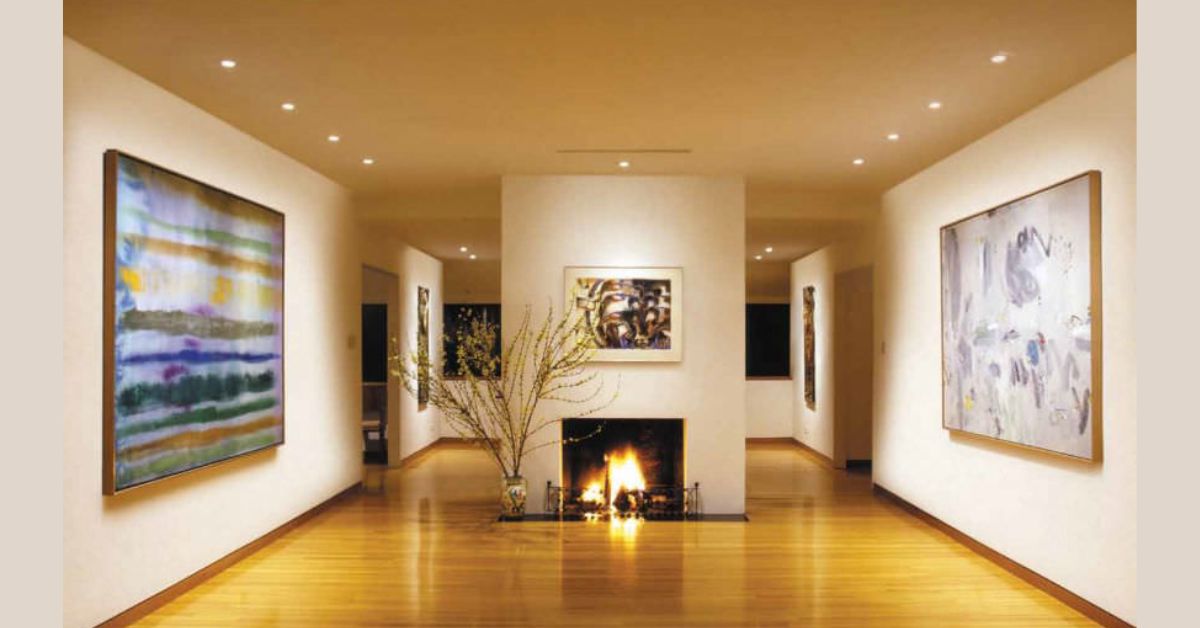
Wall washer lights are linear or strip luminaires designed to evenly illuminate vertical surfaces—perfect for highlighting walls, textures, artwork, and façades. This guide covers types (indoor recessed, surface, recessed high-output, outdoor IP-rated), technical specs to check (lumens/m /m, beam angle, CRI, IP/IK, drivers), Delhi-specific buying tips, installation methods, maintenance, and a buyer checklist to help you choose confidently.
1. Introduction — Why wall washer lights matter
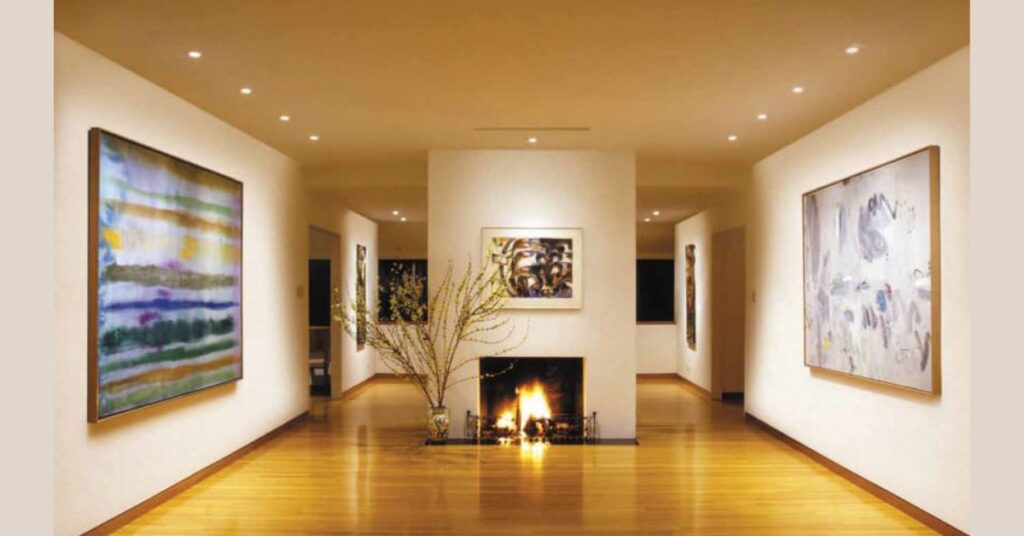
Wall washer lights transform flat surfaces into visual features. From retail displays and gallery walls to hotel lobbies and building façades in Delhi, properly specified wall washing creates depth, reveals texture, and draws attention—without harsh hotspots or distracting glare.
For buyers in Delhi, the right wall washer must balance design intent, durability (dust, heat, rain), and electrical robustness. This guide from Agarsain Bath & Lights — The Lantern aims to be the only resource a buyer needs: clear definitions, types, and use-cases, plain-English explanations of technical specs, step-by-step installation notes, maintenance tips tailored for Delhi’s climate, and a practical buyer checklist.
2. What are wall washer lights?
Wall washer lights are luminaires engineered to distribute light evenly across vertical planes. Unlike spotlights that concentrate light on a small area, wall washers spread a broad, soft beam that reduces shadowing and highlights texture uniformly. They come as linear fixtures, recessed slots, track-mounted heads with wall-wash optics, or high-output outdoor washers for façades.
Primary functions:
- Evenly illuminate walls and vertical textures
- Accent architectural features without visible beam patterns
- Provide general ambient vertical illumination, which improves perceived space brightness
3. Types & styles (with quick uses)
Recessed wall washer (slot/trimless)
- Installed flush in ceilings or soffits, producing an invisible source. Ideal for galleries, corridors, and modern interiors where a clean look is essential.
Surface-mounted linear wall washer
- Mounted on ceilings or walls; good for retrofits where recessing isn’t possible. Useful in retail and office corridors.
Suspended wall washer
- Suspended fixtures with asymmetric optics that wash adjacent walls; great in showrooms and high-ceiling lobbies.
Track-mounted wall-wash heads
- Adjustable heads that can be repositioned to change focus. Best for retail and galleries with changing displays.
High-output façade wall washer (outdoor IP65/IP66)
- Robust outdoor fixtures for façades, columns, and stone cladding. Choose for exterior lighting projects across Delhi’s commercial buildings.
Grazing vs Washing
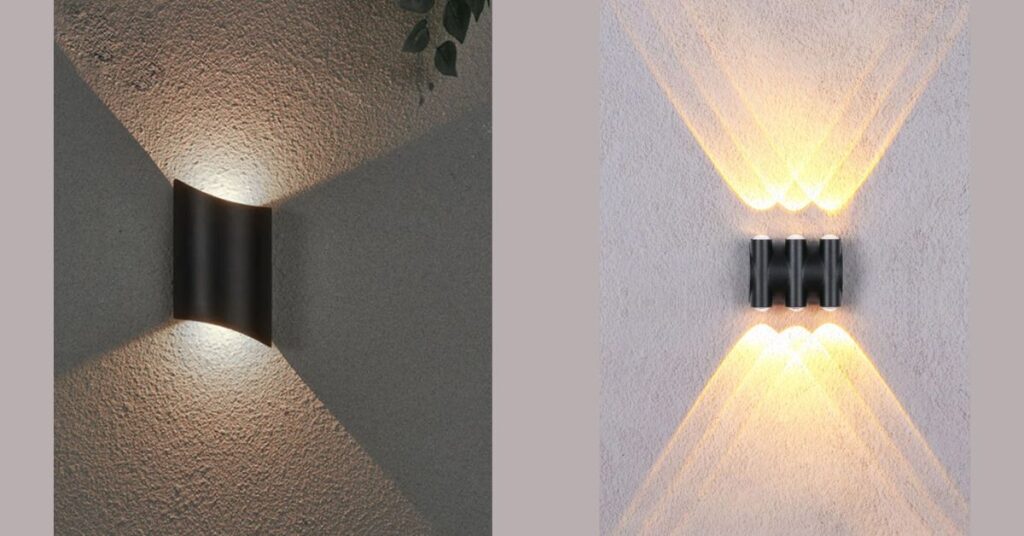
- Grazing places a narrow, low-angle beam close to the wall to reveal texture (strong shadows). Washing uses a wider, diffused spread to produce even illumination. Choose depending on whether you want texture emphasis (grazing) or uniform color/brightness (washing).
4. Technical specs explained — what actually matters (plain-English)
Lumens per metre (lm/m) / lumens per fixture
- What: Amount of light output. For wall washers, lighting is usually specified as lm/m or as lumens per fixture.
- Recommendation ranges:
- Subtle ambient wash (corridors, secondary walls): 800–1,200 lm/m
- General feature wash (shops, lobbies): 1,200–2,000 lm/m
- Strong façade or high-brightness displays: 2,000–4,000 lm/m
- Tip: Always request photometric reports (IES files) to see the actual lux on the wall from your spec.
Beam angle & optics
- What: Determines how narrow or wide the light spreads. Wall washers use asymmetric lenses or wide batwing optics for even vertical coverage.
- Practical: For low ceilings (2.7–3.2m), you need narrower beams or closer mounting; higher ceilings call for wider optics or high-output fixtures.
Efficacy (lm/W)
- What: Efficiency of converting power into light.
- Recommendation: ≥100 lm/W for energy-efficient options; higher is better for running costs.
CCT — Correlated Colour Temperature (K)
- What: Warmth/coolness of light.
- Recommendation:
- Warm residential / hospitality walls: 2,700–3,300K
- Neutral to cool for retail or gallery work: 3,300–4,000K
- For façades, choose 3,000–4,000K depending on architecture.
CRI — Colour Rendering Index
- What: How naturally colours appear.
- Recommendation: CRI ≥80 for most uses; CRI ≥90 for retail, artworks, textiles, and heritage façades where accurate colours matter.
IP & IK ratings
- IP for dust/water — Indoor: IP20 acceptable; Outdoor/exposed: IP65 / IP66 recommended (higher if direct water jets or salt exposure).
- IK for impact — public spaces may require IK08 or higher.
Driver & dimming compatibility
- Dimming options: TRIAC, 0–10V, DALI/DALI-2, DMX for creative lighting, and smart protocols. For commercial projects, DALI/DALI-2 gives centralized, reliable control. For residential, consider driver options compatible with your smart hub.
Power factor & THD (electrical quality)
- Choose drivers with PF >0.9 and THD <20% to ensure stable operation and reduce issues in building electrical systems.
Lifetime & photometric testing
- Look for LM-80/LM-79 lab data and lifetime rating like L70 @ 50,000 hrs. These confirm long-term lumen maintenance and reliability.
Materials & finishes
- Anodized aluminium profiles and UV-stable diffusers (PMMA/PC) for outdoor or sun-exposed installations. For façades, choose corrosion-resistant finishes.
Surge protection & thermal management
- Delhi’s supply can have spikes; specify drivers with built-in surge protection and ensure fixtures have good thermal paths to preserve lifetime.
5. Design & application use-cases
Art & Museums / Galleries: Use track-mounted or recessed wall washers with high CRI (≥90) and controllable beam direction to illuminate artworks without hotspots.
Retail & Showrooms: Continuous wall washers above displays create consistent colour rendering across products. Use CRI ≥90 for textiles and painted goods.
Hotel Lobbies & Hospitality: Warm wall washing creates a layered ambience—combine with grazing to highlight textures and with downlights for task points.
Corridors & Stairwells: Wall washers increase perceived brightness and safety while using lower ceiling-mounted fixtures.
Façade & Architectural Exteriors: High-output outdoor washers highlight stone, columns, and façade rhythms at night. Use IP65+ fixtures with corrosion-resistant brackets.
Practical lux guidance (on wall surface):
- Galleries/Artwork: 200–400 lux (higher for critical examination)
- Retail display walls: 300–500 lux
- General lobbies/corridors: 100–200 lux
- Façade highlights: variable based on distance and architecture; use photometric simulations.
6. Buying guide for Delhi — what to check
Environment & durability: Delhi’s hot, dusty summers and monsoon humidity call for sealed fixtures outdoors and easily serviceable indoor fixtures. For outdoor wall washers, choose IP65/IP66 with sealed cable glands and stainless hardware.
Electrical robustness: Ask for drivers with a wide input voltage (e.g., 100–277V or 200–240V rating depending on supplier), surge protection, and PF >0.9. Specify remote driver placement in ventilated areas for long runs.
Photometrics & mockups: For feature walls and façades, insist on IES files and a small on-site mockup to verify beam spread and visual effect before committing to long runs.
Controls & future-proofing: For commercial projects, plan DALI/DALI-2 integration. If smart control is desired, confirm compatibility with your BMS or smart hub.
Local spares & service: Buy from suppliers who provide local driver spares and post-sale commissioning. This reduces downtime and simplifies warranty claims.
Budget tiers:
- Economy — basic aluminum channels with strip LEDs; lower CRI (80) and simple drivers.
- Mid-range — integrated modules, decent drivers, dimming options, CRI 80–90.
- Premium — high-CRI (≥90), tunable white, DALI controls, extended warranties, and photometric reports.
Compliance & certification: Request LM-79/80 reports, RoHS, CE/BIS where required, and documented warranties (separate for LED modules and drivers).
7. Installation & mounting (high-level)
General placement tips: Mount distance from the wall and mounting height determine uniformity. Typical ceiling-to-wall distance and beam choice must align; manufacturers provide mounting-distance-to-height (MDH) tables—consult them.
Recessed wall washer:
- Cut an accurate slot and frame the opening.
- Secure fixture housing and route cables to the driver.
- Connect and test before final plaster/trimless finishing.
Surface-mounted:
- Fix mounting brackets.
- Secure profile and connect driver (onboard or remote).
- Seal around exterior mounts for weatherproofing.
Track-mounted:
- Install track runs and attach head units.
- Aim heads and lock positions, then commission.
Outdoor façade washers:
- Use corrosion-resistant brackets and expansion anchors for masonry.
- Use sealed cable glands and consider blocking water paths.
- Include surge protectors and accessible driver cavities.
Safety & wiring: Use certified electricians. Ensure earth continuity, correct cable sizing, and labelling of control circuits for maintenance.
8. Maintenance, troubleshooting & warranty
Cleaning: In Delhi’s dust, monthly dusting of diffusers is recommended. Use soft microfiber and mild detergent; avoid abrasive solvents.
Routine checks: Bi-annual inspection for driver heat, connector corrosion (outdoor), and diffuser yellowing. For outdoor fixtures, check seals before the monsoon.
Common issues & fixes:
- Flicker: test driver and supply, swap with known-good driver.
- Uneven wash: check alignment, dirty diffusers, failed LED segments.
- Colour shift: poor binning or age—use the same bin codes for runs and replace in matched batches.
Spare strategy: For long continuous runs, keep a spare driver and short replacement modules. Mark runs and drives during installation for easy service.
Warranty: Retain invoices, photos, and serial numbers. Agarsain provides warranty and local service—ask for a clear policy on driver and LED module coverage.
9. FAQs — quick answers buyers need
Q1: What is the difference between a wall washer and a spot/gobo?
A: Wall washers give even, broad vertical illumination; spots concentrate light into a tight beam for accents.
Q2: Can I use wall washers outdoors in Delhi?
A: Yes—choose IP65/IP66-rated fixtures with sealed connectors and corrosion-resistant brackets.
Q3: How far from the wall should I mount the fixture?
A: It depends on beam optics. Manufacturers provide MDH tables; typical ceiling-mounted washers are 0.15–0.4× ceiling height from the wall for even wash.
Q4: What CCT & CRI should I choose?
A: For retail/artwork use CRI ≥90 and 3,300–4,000K. For warm hospitality walls, use 2,700–3,300K.
Q5: Are wall washers energy-efficient?
A: Modern LEDs are highly efficient (≥100 lm/W), offering long life and energy savings compared to fluorescents.
Q6: Can I dim wall washers?
A: Yes—choose compatible drivers (DALI recommended for commercial projects).
Q7: How do I avoid visible lines or hot spots?
A: Use continuous linear profiles with proper diffusers, correct optics, and even LED binning; test a mockup before full installation.
Q8: What’s the typical lead time for custom-length wall washers?
A: Varies—allow extra time for custom finishes, photometrics, and IP-rated outdoor variants. Confirm with the supplier.
10. Conclusion & Call to Action
Wall washer lights are an elegant, powerful way to shape spaces—from intimate interiors to bold façades across Delhi. The right fixture choice depends on lumens, optics, CRI, IP rating, and driver quality. For accurate results, ask for photometric data and on-site mockups. Ready to specify wall washers for your project? Visit Agarsain Bath & Lights (The Lantern) for product samples, IES files, and a professional lighting consultation — or request an on-site demo today.