
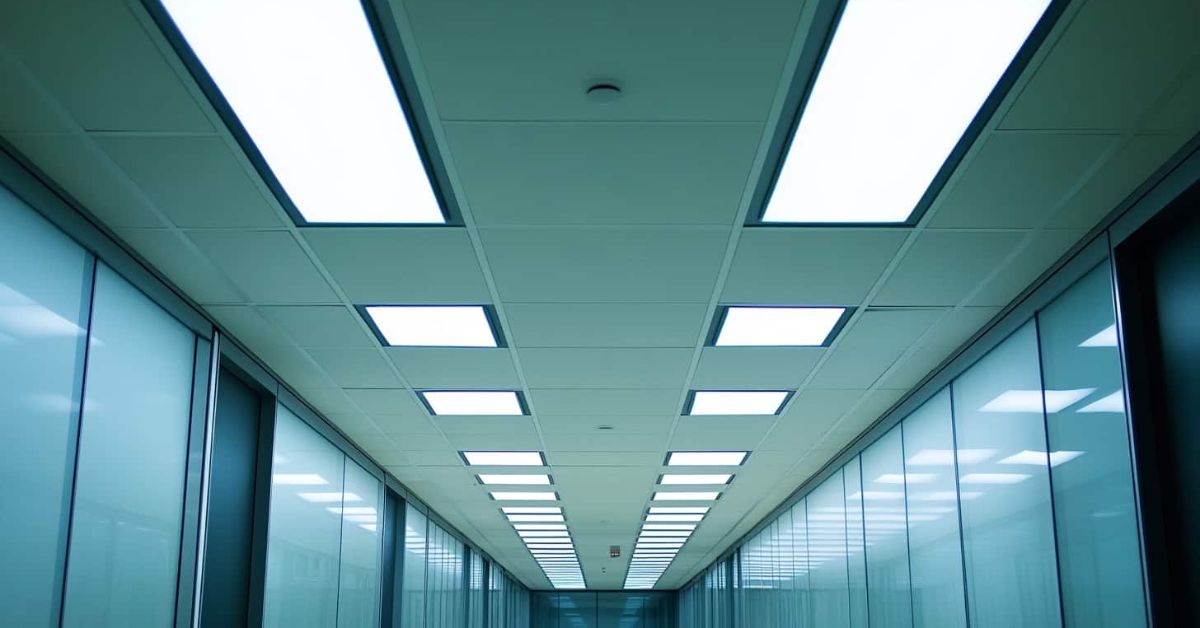
Retrofitting to LEDs in Delhi typically cuts lighting energy by around 50–60% vs fluorescent fixtures. It can pay back the retrofit cost in under 1 year for many common scenarios when run daily. Pick BEE-starred, BIS-standard products, decide between plug-and-play (easy) and ballast-bypass/direct-wire (more reliable long-term), check CRI/CCT/lumen/warranty, and always use a qualified electrician for tube rewiring.
1) What a retrofit LED lights?
A retrofit LED replaces or converts an existing light source (incandescent, CFL, fluorescent) so you can keep the existing fixture/body while gaining LED efficiency and long life. Some retrofits are drop-in (plug & play), others require simple rewiring (ballast-bypass / direct-wire). In some cases, the whole fixture is replaced if conversion isn’t practical.
2) Why retrofit in Delhi — the top benefits
- Energy savings: LEDs save large amounts of energy vs older fluorescent/CFL lighting (typical 50–60% savings vs fluorescent; 80–90% vs incandescent). That reduces running costs and AC load.
- Longer life & lower maintenance: LEDs last many times longer (years instead of months for some lamps), lowering replacement labour and inventory.
- Better light quality: Higher CRI options, selectable CCT (warm to cool), instant on, and less flicker.
- Government programs & scale: Large programs (EESL / UJALA) have driven adoption and made quality LED solutions widely available in India.
3) Important Indian standards & labels to check
- BIS/Indian Standards (IS) for LED products (look for relevant IS numbers like IS 16102/16103 series). Buy from brands that conform to BIS standards.
- BEE Star Label — energy performance label for LED lamps; higher star = higher luminous efficacy. India updated norms recently — prefer BEE-starred models.
- Ask for LM79/LM80 test reports when buying in bulk (these are lab test reports for lumen and lumen-maintenance / LED chip reliability).
4) Types of retrofit LED products & when to use them
- LED Bulbs (GLS / B22 / E27) — best for direct replacement of incandescent/CFL screw-in fittings.
- LED Tubes (T8 / T5 replacement) — common in offices, schools, and hospitals. Available as:
- Type A (Plug & Play / ballast-compatible): swap tube without rewiring (depends on ballast). Easier, but the lifecycle depends on ballast.
- Type B (Ballast-bypass / direct-wire): rewire fixture to remove ballast — more work up front, more reliable and efficient long-term.
- Type A+B (Combo): works with or without ballast — flexible option.
- LED Panels / Downlights / Floods — when fixture replacement is preferred or for architectural needs.
- Driver-integrated vs. remote driver: consider driver replaceability and heat management.
5) The big decision: plug-and-play vs ballast-bypass
- Plug-and-play (easy): no rewiring, fast swap. BUT performance/lifespan can be affected by old or failing ballasts, and future ballast replacements will be required. Good for quick/temporary upgrades.
- Ballast-bypass / direct-wire: requires an electrician, but removes ballast losses, reduces failure points, and gives better long-term reliability and control compatibility (dimmers, sensors). Recommended for permanent upgrades.
6) Buyer’s checklist — what to verify before purchase
- BEE Star label (or efficiency in lm/W). Prefer products ≥100 lm/W where possible.
- BIS / IS compliance and test reports (LM79/LM80).
- Lumen output — compare lumens, not watts. (Example: a 20W LED tube may deliver 2000 lm; that matters more than 20W alone.)
- CCT (Kelvin) — 2700K warm / 3000K / 4000K neutral / 5000–6500K cool. Match to space (warm for homes, neutral/cool for workspaces).
- CRI (Ra) — aim for CRI ≥80 for good colour rendering; ≥90 for retail, galleries.
- Warranty & service — 3–5 years is common for quality brands; ensure local support in Delhi.
- Power factor & THD — PF >0.9 and low THD are desirable for commercial installs.
- IP rating for outdoor or wet areas (IP65+ for exposed fixtures).
- Dimmability / control compatibility if you plan controls or sensors.
- Physical fit — pin/base type (G13/G5), length (600/1200 mm), and louvers/diffusers fit.

7) Installation & safety tips (Delhi)
- Always hire a licensed electrician for ballast-bypass/direct-wire work — improper rewiring is a safety and fire risk.
- For plug-and-play tubes: check the ballast type and the producer’s compatibility list. If the ballast is old/faulty, replace the ballast or choose bypass to avoid future failures.
- For bulk/commercial retrofits, measure existing lux levels and spacing — sometimes LED layout needs fewer fittings due to higher lumen output; adjust layout rather than doing 1:1 swaps blindly.
- Dispose of old lamps properly — CFLs contain mercury and should be recycled per local rules.
8) Quick FAQs:
Q: Are LEDs dimmable by default?
A: No — only buy LED tubes/fixtures explicitly marked dimmable and compatible with your dimmer type. Non-dimmable LEDs can flicker or get damaged on dimmers.
Q: Will plug-and-play damage my existing ballast?
A: Plug-and-play uses the ballast; if the ballast is old, the tube life can be affected. For long life, ballast bypass is preferred.
Q: How long do retrofit LEDs last?
A: Good quality LED tubes often have >25,000–50,000 hours rated life; actual life depends on thermal management, driver quality, and operating conditions. Ask for LM80/lumen maintenance data.